
When it comes to fitting a new boiler in the United Kingdom, getting the installation right isn’t just a technical process — it’s a matter of safety, efficiency, and compliance with strict national standards. Boilers link three major systems: water, gas, and electricity. That means even the smallest mistake can pose a real safety risk. the ideal hot water temperature for uk taps typically ranges between 55 and 60 degrees Celsius. This ensures you get optimal performance while also minimizing the risk of scalding. It’s crucial to balance comfort and safety when setting your system, especially in households with children or elderly residents. the best combi boiler options for uk homes offer a variety of features that cater to different needs and budgets. Homeowners should consider factors such as energy efficiency ratings and warranty periods when selecting a unit. Investing in a reliable boiler not only ensures consistent heating and hot water but also contributes to long-term cost savings on energy bills.
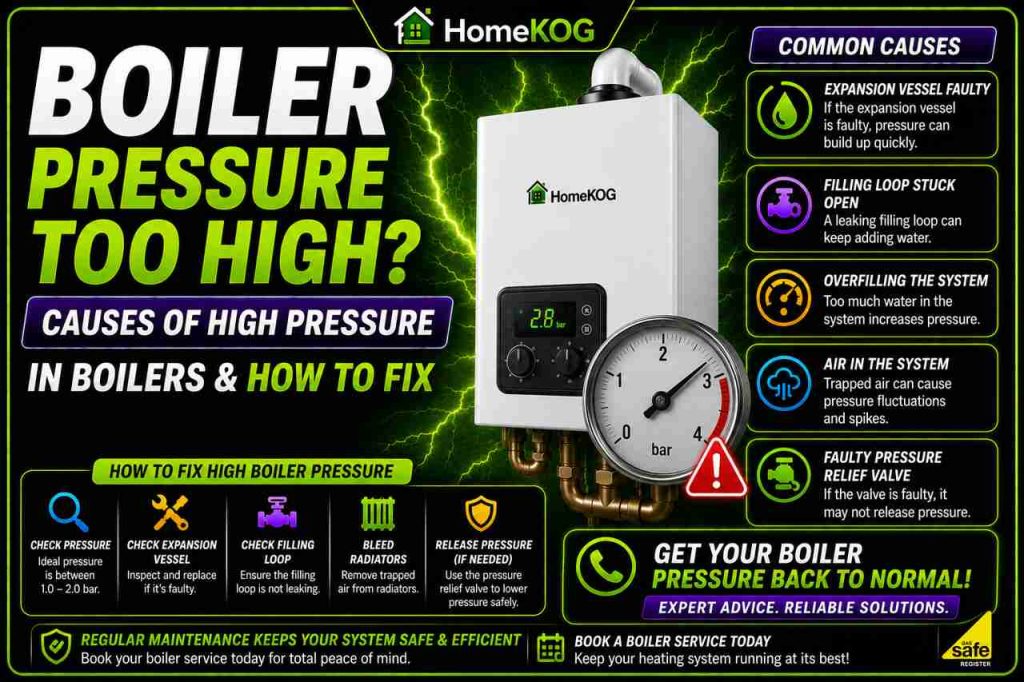
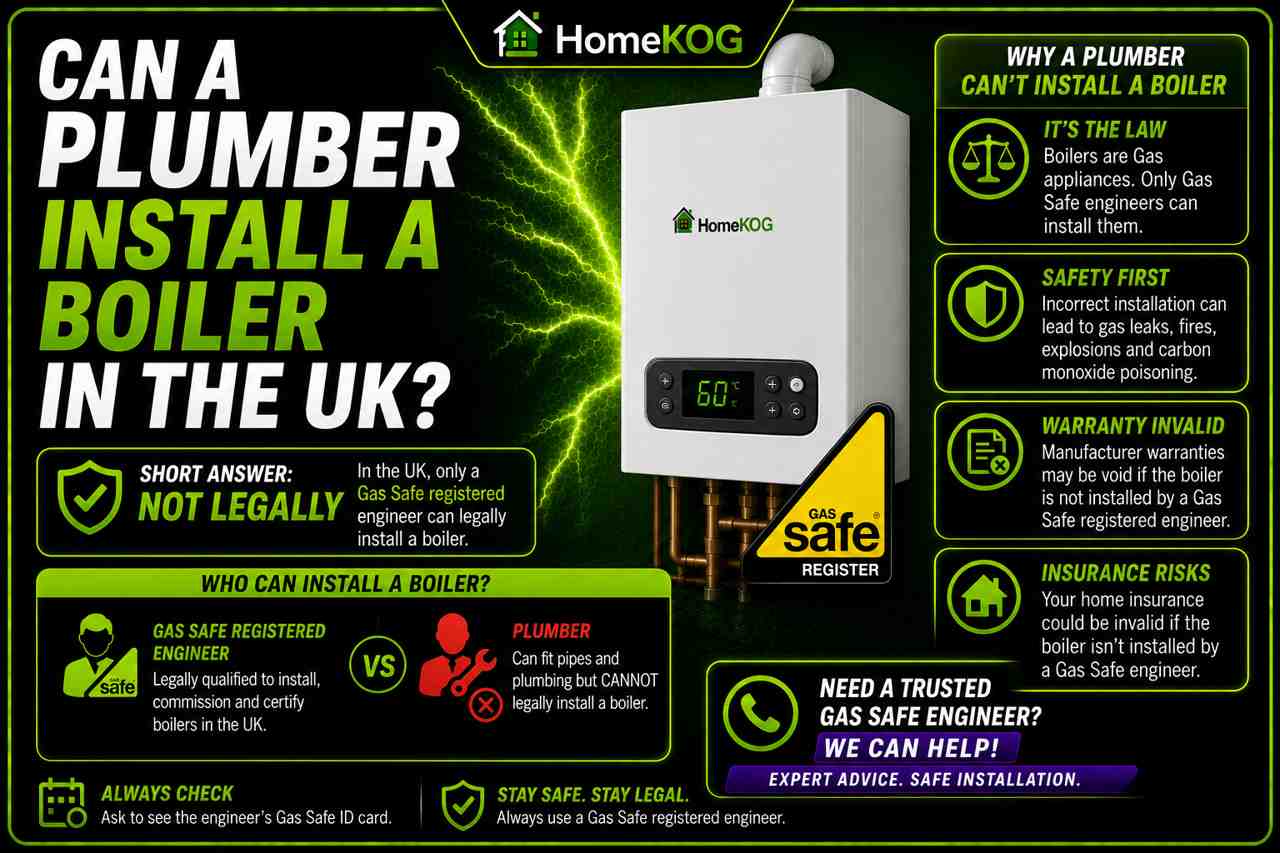
Here’s the simple version: a plumber can only install a boiler if they’re legally qualified, which usually means being Gas Safe registered (for gas boilers) or OFTEC certified (for oil boilers). understanding pressure release valves is crucial for ensuring safe operation of heating systems. These valves help to regulate the pressure inside the system, preventing potentially dangerous scenarios. Proper installation and maintenance of these components can significantly enhance the longevity and efficiency of your boiler.
Can a Plumber Install a Gas Boiler?
In most cases, no — unless they’re a Gas Safe registered engineer.
A regular plumber can replace radiators, fix leaks in central heating pipes, and handle water-based repairs. But by law, only a Gas Safe qualified engineer can install, move, or service a gas boiler in the UK.
When a plumber holds Gas Safe registration, they become what’s officially classed as a heating engineer, meaning they’re certified to work safely with gas appliances. Always ask to see their Gas Safe ID card before work begins, or verify their status through the Gas Safe Register.
Can a Plumber Install an Oil Boiler?
Not unless they’re OFTEC registered.
Oil-fired heating systems fall under a separate regulatory body — OFTEC (Oil Firing Technical Association). An OFTEC registered heating engineer is qualified to install, service, and maintain oil boilers safely and in line with environmental standards.
A plumber who isn’t OFTEC accredited can still handle general plumbing work but can’t legally fit an oil boiler. You can confirm registration online at the OFTEC register before hiring anyone to start the job.
Can a Plumber Install an Electric Boiler?
Yes — and often more easily.
Unlike gas or oil systems, electric boilers don’t require sector-specific certification. As long as the installation complies with UK wiring and building regulations, a competent plumber or heating engineer can complete the job. With the upcoming beast from the east weather forecast, it’s crucial for homeowners to ensure their heating systems are functioning optimally. Increased demand for heating during winter storms can lead to unforeseen issues, so proactive maintenance is key. Additionally, understanding how electric boilers operate can help alleviate concerns about reliability in extreme weather conditions.
That said, a good understanding of electrical systems is vital. Many homeowners still prefer to have an experienced electrician involved to handle the wiring and safety testing.
UK Boiler Installation Regulations Explained
Boiler installation in the UK is guided by several layers of legislation designed to keep properties safe and energy efficient. The main sets of rules you need to be aware of include: boiler installation services across the UK are provided by qualified professionals who are well-versed in these regulations. It is crucial to ensure that your installation meets all local standards to avoid potential hazards. Additionally, choosing a reliable service can enhance your home’s energy efficiency and reduce long-term costs. Moreover, understanding boiler efficiency standards in the UK can significantly impact your energy bills and overall environmental footprint. With the increasing emphasis on sustainability, complying with these standards not only meets legal requirements but also contributes to a greener future. Homeowners are encouraged to stay informed about any updates to regulations to ensure their systems remain compliant and efficient.
-
Gas Safety (Installation and Use) Regulations 1998 — govern all gas appliances and related work
-
Building Regulations Parts J & L — cover ventilation, flue placement, energy efficiency, and emissions
-
Manufacturer installation instructions — must be followed to maintain warranty and compliance
These rules protect both the homeowner and the installer, ensuring every system runs safely and efficiently.
What Types of Boilers Can Qualified Plumbers Install?
When properly certified, a heating engineer (or plumber with the right credentials) can install a range of systems, including:
-
Combi boilers (instant hot water and heating in one unit)
-
System boilers (sealed systems using a storage cylinder)
-
Conventional boilers (traditional vented systems)
-
Electric boilers (simple and compact all-electric units)
All installations must comply with UK building regulations and manufacturer guidelines, using certified components to maintain system safety and warranty coverage.
Building Regulations and Compliance
UK building regulations require boiler installations to meet specific standards for flue placement, ventilation, and energy efficiency. If a boiler is incorrectly installed, local councils or Gas Safe inspectors can issue notices or penalties.
In most cases, registered installers self-certify their work and provide a Building Regulations Compliance Certificate after completion.
Responsibilities of Homeowners and Installers
Both parties share responsibility for ensuring a safe and compliant installation:
-
Installers must follow Gas Safe or OFTEC regulations and manufacturer specifications
-
Homeowners must appoint qualified professionals and verify credentials before starting work
Ignoring these responsibilities can expose you to serious legal and safety risks, as well as invalidate home insurance or warranties.
After Installation: Inspection, Certification, and Servicing
Every new boiler installation should be inspected, tested, and registered by a qualified professional. Once installed, your new boiler should be serviced annually to maintain performance, efficiency, and warranty protection.
What Plumbing Considerations Should I Keep in Mind When Installing a Boiler in the UK?
When installing a boiler in the UK, it’s crucial to understand the plumbing requirements for uk home ownership. Ensure compliance with local regulations, choose the right boiler size, and assess your existing piping system. Proper insulation and accessibility for maintenance should also be considered to ensure efficiency and safety. Understanding boiler installation costs in London can significantly impact your budget. It’s advisable to obtain multiple quotes from qualified professionals to ensure you are getting a fair deal. Additionally, considering energy efficiency ratings can help reduce long-term expenses associated with heating.
Why Qualifications Matter
Hiring a qualified heating engineer isn’t just a checkbox — it’s a safeguard. Correct installation protects your family from gas leaks and carbon monoxide, maximises energy efficiency, and keeps your warranty intact.
Once fitted, consider adding a boiler cover plan to ensure regular check-ups and hassle-free repairs in the future.
In Summary
While plumbers are experts in water systems, boiler installation is a specialised trade requiring fuel-specific qualifications. Only Gas Safe registered engineers (for gas) or OFTEC engineers (for oil) can legally fit boilers in the UK. Electric systems remain the only broad exception.
Your safety and comfort depend on choosing a properly certified installer. Always check credentials, follow compliance rules, and keep your heating system maintained to the highest standard.
Can a Plumber Install a Boiler in a Bathroom in the UK?
When considering a boiler installation in your bathroom, it’s crucial to adhere to the boiler installation regulations for your bathroom. In the UK, these guidelines ensure safety and efficiency. Hiring a qualified plumber ensures compliance, providing peace of mind while transforming your space into a cozy and comfortable environment.
FAQs
Do I need a qualified plumber to install a boiler?
Yes. You’ll need a Gas Safe registered engineer for gas boilers or an OFTEC registered engineer for oil boilers. For electric boilers, a competent plumber or electrician can carry out the work.
What types of boilers can a plumber install?
Combi, system, conventional, and electric boilers — but gas and oil types require the appropriate certification before any work can legally begin.
Can I install a boiler myself?
For gas and oil boilers, no — it’s illegal and dangerous. Electric boilers are the exception, though professional installation is still strongly recommended.
What happens if a plumber doesn’t comply with regulations?
The consequences can be serious: legal penalties, voided warranties, and potentially life-threatening safety hazards. It’s not worth the risk.
How do I make sure my boiler installation meets UK regulations?
Check your engineer’s Gas Safe or OFTEC credentials, ask for a compliance certificate after installation, and book an annual service to keep everything running to standard.