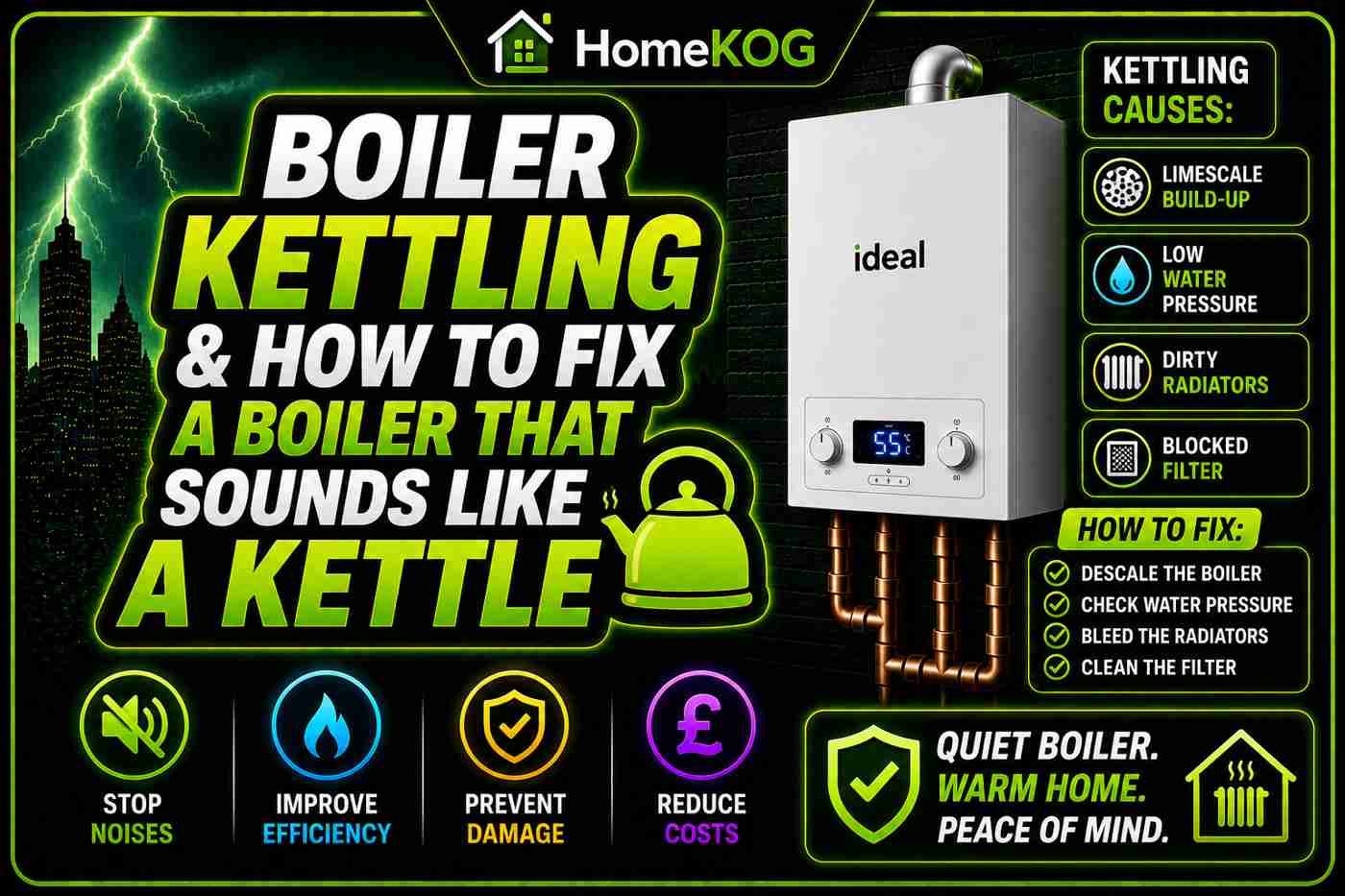

Boiler Sounds Like a Kettle? Causes, Fixes & Repair Costs Explained
Quick Answer: A boiler that sounds like a kettle is experiencing a fault known as kettling — most commonly caused by limescale or sludge build-up on the heat exchanger, a system water leak, or a faulty thermostat that causes the boiler to overheat. Boiler kettling is not immediately dangerous, but it does indicate a fault that will worsen over time. Repair costs range from £75 to £300, depending on the cause and the engineer used.
Get boiler cover with a free annual service here >
Introduction
A boiler that sounds like a kettle boiling — or in some cases like a low-flying aeroplane — is one of the most recognisable signs that something is wrong with your central heating system. The noise is known as boiler kettling, and while it can be alarming, it rarely indicates an emergency. What it does indicate is a fault that will continue to worsen if left unaddressed. Aside from the unsettling sounds, noisy boiler safety concerns should also be taken into account. Regular maintenance checks can help identify potential issues before they escalate, ensuring that your heating system operates efficiently and safely. Additionally, ignoring the signs of a malfunctioning boiler can lead to more serious problems, both in terms of performance and safety hazards.
Boiler kettling occurs when water inside the heat exchanger overheats and produces steam — the same process that makes a kettle whistle. The underlying cause determines how straightforward the fix will be, and in some cases, it can be resolved without a replacement boiler. In others, particularly with older units, kettling signals that the boiler needs replacing.
This guide covers every cause of boiler kettling, how to identify which cause applies to your situation, what you can do yourself, when to call a Gas Safe engineer, and what repairs typically cost.
Understanding Boiler Kettling: The Core Relationships
Boiler kettling involves a chain of interconnected components and conditions — understanding how they relate to each other clarifies why the noise occurs and how it is resolved.
- Boiler kettling is the rumbling or whistling noise produced when water inside the heat exchanger overheats and turns to steam, in the same way that a kettle whistles when water boils.
- A heat exchanger is the component inside a boiler that transfers heat from the gas burner to the circulating water — limescale or sludge deposits on its surface restrict water flow and cause localised overheating.
- Limescale is a calcium carbonate deposit that accumulates on internal boiler and pipework surfaces in hard water areas — it reduces heat exchanger efficiency and is one of the most common causes of kettling in the UK.
- Iron oxide sludge is produced by corrosion inside steel radiators and pipework — it circulates through the central heating system and deposits on the heat exchanger, restricting water flow in the same way as limescale.
- A power flush is a professional cleaning procedure that uses high-velocity water and chemical cleaning agents to remove sludge and limescale deposits from the central heating circuit and boiler components.
- A magnetic system filter — such as a Magnaclean or Fernox TF1 — continuously removes iron oxide particles from circulating water, preventing sludge from reaching the heat exchanger in the first instance.
- A faulty thermostat fails to regulate the boiler’s firing cycle correctly, causing the boiler to overheat because it does not receive an accurate signal to reduce or stop heat output.
- A central heating system leak reduces water volume in the sealed circuit, increasing the concentration of dissolved minerals and reducing flow through the heat exchanger — both of which accelerate kettling.
- A limescale inhibitor is a chemical additive introduced to the central heating water that reduces the rate at which calcium deposits form on boiler and pipework surfaces.
- Hard water areas — including much of southern and eastern England — have higher calcium concentrations in the mains supply, making limescale build-up more likely and more rapid than in soft water regions.
- A Gas Safe registered engineer is the only professional qualified to diagnose and repair internal boiler faults including heat exchanger damage, system leaks, and thermostat replacement.
- Annual boiler servicing removes early-stage limescale and sludge deposits before they reach the level that causes kettling, significantly reducing the likelihood of the fault developing.
What Is Boiler Kettling?
Boiler kettling is the term used to describe the rumbling, whistling, or gurgling sound a boiler makes when water inside the heat exchanger reaches boiling point locally and begins to produce steam. The name comes from the obvious similarity with the sound a domestic kettle makes when it boils.
A correctly functioning boiler heats water efficiently and circulates it through the system before it reaches temperatures that cause it to turn into steam. Kettling occurs when something prevents this normal flow — whether that is a physical restriction from limescale or sludge, a reduction in circulating water volume due to a leak, or incorrect temperature regulation caused by a faulty thermostat.
The sound can vary in character. Some homeowners describe it as a low rumble, others as a high-pitched whistle, and some as a sound similar to an aeroplane engine. All of these variations describe the same underlying phenomenon — steam forming inside a restricted or overheating heat exchanger.
Is Boiler Kettling Dangerous?
Boiler kettling is not an immediate safety emergency, but it should not be ignored. Modern boilers are equipped with overheat protection sensors and automatic safety shutoffs that prevent the boiler from reaching genuinely dangerous temperatures. If internal temperatures reach a critical level, the boiler will shut down before any explosion risk develops.
What kettling does indicate is a fault that is actively damaging your boiler. Steam formation inside the heat exchanger creates thermal stress on the metal — repeated heating and cooling cycles in the presence of steam accelerate corrosion and cracking. A heat exchanger that is allowed to kettle continuously will fail earlier than one that is serviced and cleaned. Heat exchanger replacement is one of the most expensive boiler repairs, often costing more than a new boiler installation when factored against the unit’s age.
Kettling also reduces heating efficiency significantly. A heat exchanger coated in limescale transfers heat less effectively, meaning the boiler burns more gas to achieve the same output, resulting in higher energy bills for reduced heating performance.
Causes of Boiler Kettling
Limescale Build-Up on the Heat Exchanger
Limescale is the most common cause of boiler kettling in the UK, particularly in hard water areas. Hard water contains higher concentrations of dissolved calcium and magnesium — when this water is heated inside the boiler, those minerals precipitate out of solution and deposit as a solid white or grey scale on the surfaces of the heat exchanger.
Over time, these deposits restrict the flow of water through the heat exchanger’s narrow channels. Water that cannot flow freely remains in contact with the hot metal for longer, reaches boiling point, and produces steam, which is what you hear as the kettling noise.
You can check whether your property is in a hard-water area on your water supplier’s website. Properties in much of London, the South East, East Anglia, and the East Midlands are typically in hard-water areas and are most susceptible to limescale-related kettling.
A simple test to assess whether uneven radiator heating — hot at the top but cold at the bottom — accompanies the kettling noise provides additional confirmation that sludge or limescale is restricting flow within the central heating circuit.
Iron Oxide Sludge
Iron oxide sludge — sometimes called magnetite — forms when the steel panels inside radiators and steel pipework corrode in the presence of water and oxygen. The resulting dark, muddy particles circulate through the heating system with the water and gradually deposit on the slowest-moving sections of the circuit, including the heat exchanger.
Sludge build-up has the same effect as limescale — it restricts water flow, reduces heat transfer efficiency, and causes localised overheating that produces the kettling sound. It also causes cold patches at the bottom of radiators, reduced heat output across the system, and accelerated pump wear as the pump works harder to circulate restricted water.
System Water Leak
A leak anywhere in the central heating circuit — whether at a radiator valve, pipe joint, or within the boiler itself — reduces the total volume of water in the sealed system. With less water circulating, the flow rate through the heat exchanger decreases, and the remaining water heats more rapidly, increasing the likelihood that it will reach the boiling point locally.
Leaks also concentrate the mineral content of the remaining water over time, accelerating limescale deposition. Identifying and repairing any leak is therefore both a direct fix and a preventative measure against further kettling.
External leaks are identifiable by visible water drips, damp patches on walls or ceilings, or a pressure gauge that consistently reads low and requires frequent topping up. Internal boiler leaks are less visible but may be indicated by corrosion staining on the boiler casing or persistent low pressure despite repressurising.
Faulty Thermostat or Boiler Controls
A thermostat that is not functioning correctly fails to accurately regulate the boiler’s firing cycle. If the thermostat does not send the correct signal to reduce or stop heat output when the target temperature is reached, the boiler continues to fire and the water temperature inside the heat exchanger rises beyond the designed operating range.
Symptoms of a thermostat-related overheating problem include the boiler cutting out before the heating demand is met, inconsistent room temperatures even when the thermostat setting is unchanged, and the kettling noise occurring predominantly at higher thermostat settings.
In older boilers — particularly those that are 10 to 15 years old — a faulty thermostat is often accompanied by wear across other control components. In these cases, replacing the thermostat alone may not resolve all the symptoms, and assessing the boiler’s overall condition makes sense before committing to component-level repairs.
How to Diagnose the Cause of Your Boiler Kettling
Before calling an engineer, the following checks help identify the most likely cause of the kettling noise:
- Check your radiators — if the bottom sections of multiple radiators are cold while the tops are warm, sludge or limescale is restricting flow through the lower part of the circuit, which is also affecting the heat exchanger.
- Check the boiler pressure gauge — a reading that consistently drops below 1 bar between refills indicates an active leak in the system that is contributing to kettling.
- Check for visible leaks — inspect the boiler casing, the pipework connections beneath it, and the visible pipework at radiator valves for signs of dripping water or damp staining.
- Check your thermostat — confirm it’s set to an appropriate temperature and that the boiler responds correctly when the setting is adjusted up or down.
- Check your water hardness — if you are in a hard water area and have not had a boiler service or system flush in the past 2 to 3 years, limescale build-up is the most likely cause.
What You Can Do Yourself
A few steps can be taken without an engineer before deciding whether a professional repair is needed.
Bleed your radiators — bleeding releases trapped air from the radiator circuit, which can improve flow rate through the system and reduce the demand placed on the heat exchanger. It does not resolve limescale or sludge build-up directly but can improve circulation enough to reduce the severity of kettling in early stages.
Check and adjust the thermostat — if the kettling noise is accompanied by the boiler short-cycling or cutting out unexpectedly, resetting the thermostat to a moderate setting and observing whether the noise reduces can help determine whether the thermostat is a contributing factor.
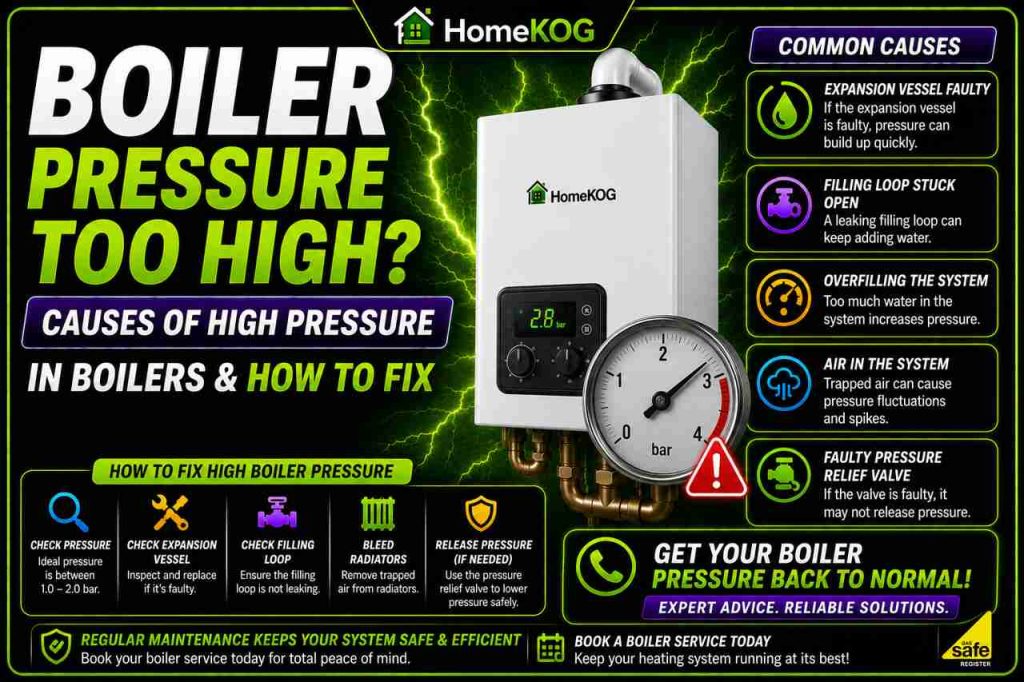
Repressurise the system — if low pressure is contributing to restricted flow, topping the system back up to 1 to 1.5 bar through the filling loop restores the correct water volume and may reduce kettling caused by insufficient flow through the heat exchanger. Start by following the repressurising Worcester combi boiler steps to ensure that the system is properly calibrated. Once the pressure is restored, check for any signs of leaks or unusual noises that may indicate further issues. Regular maintenance and monitoring can help prevent future pressure drops and extend the lifespan of your boiler. If you experience repeated issues, it might be beneficial to consult boiler pressure drop troubleshooting tips that highlight common causes and effective solutions. Ensuring all components are functioning correctly and that there are no blockages in the system can significantly mitigate pressure drops. Additionally, implementing regular inspections and services will enhance the reliability of your heating system.
Beyond these steps, addressing the root cause of boiler kettling — particularly limescale removal and leak repair — requires a Gas Safe registered engineer.
How to Fix Boiler Kettling: Professional Solutions
Power Flush
A power flush is the most effective treatment for limescale and sludge build-up in a central heating system. A Gas Safe engineer connects specialist equipment to the heating circuit and forces a high-velocity mixture of water and chemical cleaning agents through every section of the pipework and through the boiler itself, dislodging and flushing out accumulated deposits.
A power flush restores flow rates throughout the system, improves heat distribution across all radiators, and removes the heat exchanger restriction that is causing the kettling noise. It is typically followed by adding a corrosion inhibitor and a limescale inhibitor to the system water to slow future deposit accumulation.
Magnetic System Filter Installation
If your central heating system does not already have a magnetic filter installed, fitting one alongside a power flush provides ongoing protection against sludge build-up. A magnetic filter — such as a Magnaclean or Fernox TF1 — continuously captures iron oxide particles from the circulating water, preventing them from reaching the heat exchanger. The filter is cleaned during each annual boiler service.
Leak Repair
Leaks identified during the diagnosis process are repaired by replacing faulty seals, tightening or replacing pipe joints, or — in the case of internal boiler leaks — replacing the affected internal component. The appropriate repair depends on the leak’s location and severity.
Thermostat Replacement
The engineer replaces the faulty thermostat during the same visit as the boiler inspection. If the thermostat is a wireless smart model, the engineer confirms compatibility with the boiler before installation. For older boilers where the original wired thermostat has failed, upgrading to a smart thermostat at the same time is a cost-effective improvement that also improves heating control and energy efficiency.
Boiler Replacement
If the heat exchanger itself has been damaged by sustained overheating — evidenced by cracking, corrosion, or irreparable scale deposits — repair is often not economical. Heat exchanger replacement is the most expensive single boiler repair, and when combined with the unit’s age and any other worn components, replacing the boiler is frequently the more sensible financial decision for boilers over 10 years old.
Boiler Kettling Repair Costs
| Repair Type | Estimated Cost |
|---|---|
| Engineer call-out and diagnosis | £75 – £150 |
| Thermostat replacement | £100 – £250 |
| Power flush (central heating system) | £300 – £600 |
| Magnetic filter supply and installation | £100 – £200 |
| Leak repair (external, accessible) | £75 – £200 |
| Leak repair (internal, complex) | £150 – £400 |
| Heat exchanger replacement | £400 – £700+ |
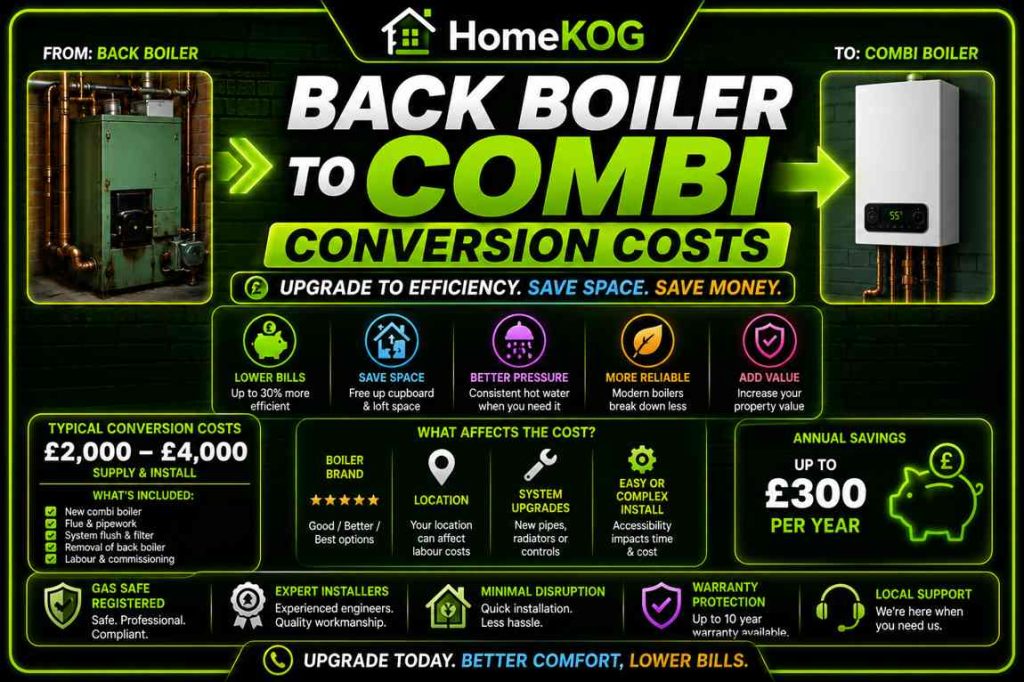
| New boiler installation (if required) | £1,500 – £3,500 |
Costs vary by region, the engineer used, and the time of day the call-out takes place. A boiler cover that includes repair costs can reduce or eliminate out-of-pocket expenses for qualifying faults — the monthly premium is significantly lower than the average unplanned repair bill. When considering finance options for boiler installations, it’s essential to evaluate the total cost of ownership, including maintenance and energy efficiency. Additionally, local incentives may be available to further offset expenses, making it a more affordable investment. Researching various financing plans can help homeowners choose the option that best fits their budget and long-term goals. When selecting the best boilers for three bedroom homes, homeowners should consider factors such as energy efficiency ratings and the reliability of different brands. Additionally, consulting expert reviews and local recommendations can provide insights into which models offer the best performance and value for money. It’s also worthwhile to explore any additional features that may enhance comfort and convenience in your living space.
Preventing Boiler Kettling in the Future
The most effective measures for preventing kettling from recurring are:
- Annual boiler servicing — a Gas Safe engineer cleaning the heat exchanger and checking system components during a yearly service prevents limescale and sludge from reaching the level that causes kettling.
- Magnetic system filter — a continuously operating filter on the central heating return pipe removes iron oxide particles before they reach the boiler, protecting the heat exchanger in the long term.
- Limescale inhibitor — a chemical inhibitor added to the system water reduces the rate of calcium deposition, particularly beneficial in hard water areas.
- Central heating inhibitor — a corrosion inhibitor added to the system water slows the oxidation of steel radiator panels, reducing the rate at which sludge is produced.
- Prompt leak repair — addressing any system leak as soon as it is identified prevents the secondary effects of reduced flow and concentrated mineral content that accelerate kettling.
-

Frequently Asked Questions
Why does my boiler sound like a kettle?
A boiler that sounds like a kettle is experiencing kettling — a fault caused when water inside the heat exchanger overheats locally and produces steam. The most common causes are limescale or sludge deposits restricting water flow through the heat exchanger, a central heating system leak reducing the water volume, or a faulty thermostat causing the boiler to overheat because it is not regulating the firing cycle correctly. Kettling is not immediately dangerous but will cause progressive heat exchanger damage if unresolved.
Is boiler kettling dangerous?
Boiler kettling is not an immediate safety emergency. Modern boilers include overheat protection and automatic safety shutoffs that prevent temperatures from reaching genuinely dangerous levels. However, kettling does cause progressive damage to the heat exchanger through thermal stress and accelerated corrosion. A boiler that kettles continuously will develop heat exchanger failure earlier than one that is maintained correctly. Kettling also reduces heating efficiency, increasing gas consumption and energy bills. It should be investigated and resolved promptly.
How do I stop my boiler from kettling?
Stopping boiler kettling requires identifying and resolving the underlying cause. If limescale or sludge is responsible, a professional power flush and installation of a magnetic system filter are the most effective solutions. If a system leak is contributing, the leak must be identified and repaired. If a faulty thermostat is causing overheating, replacing the thermostat restores correct temperature regulation. Annual boiler servicing with heat exchanger cleaning prevents limescale from accumulating to the point that kettling develops in the first place.
Can I fix boiler kettling myself?
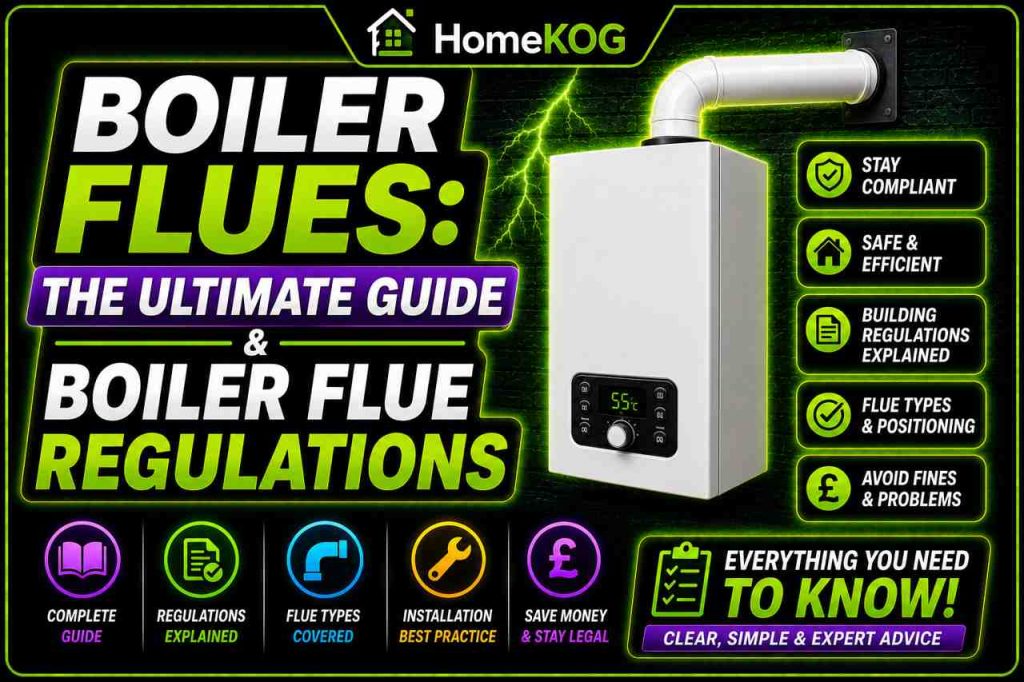
The only self-help measures for boiler kettling are bleeding the radiators to improve circulation, checking and adjusting the thermostat settings, and repressurising the system if low pressure is a contributing factor. These steps may reduce the severity of mild kettling but will not resolve the underlying cause if limescale, sludge, or a system leak is responsible. Removing limescale deposits and repairing leaks requires a Gas Safe registered engineer — attempting internal boiler work without Gas Safe registration is both illegal and unsafe. When hiring a Gas Safe registered engineer, it is essential to understand the boiler flue installation requirements to ensure compliance with safety regulations. Proper installation not only enhances the efficiency of the heating system but also minimizes the risk of hazardous fumes entering the living space. Always verify that the engineer you choose is familiar with the specific regulations and standards pertinent to your area.
How much does it cost to fix boiler kettling?
Boiler kettling repair costs between £75 and £300 for most standard fixes, including thermostat replacement or a straightforward leak repair. A power flush — the most comprehensive treatment for limescale and sludge — typically costs £300 to £600 depending on the size of the system and the engineer used. If the heat exchanger has been damaged by sustained overheating, replacement costs £400 to £700 or more. On boilers over 10 years old, heat exchanger replacement cost often makes a new boiler installation the more economical option.
Does a boiler service prevent kettling?
Yes — annual boiler servicing is the most effective preventative measure against kettling. During a service, a Gas Safe engineer cleans the heat exchanger, removes early-stage limescale deposits, inspects the thermostat and controls, checks for system leaks, and confirms that inhibitor levels in the system water are adequate. Regular servicing prevents the gradual build-up of deposits that eventually causes kettling, and identifies developing faults before they reach the stage where a power flush or component replacement is necessary.
Why does my boiler sound like an aeroplane?
A boiler that sounds like an aeroplane is experiencing the same fault as one that sounds like a kettle — it is the kettling noise at a different pitch or intensity. The variation in sound character depends on the severity of the restriction inside the heat exchanger and the rate at which steam is being produced. Both sounds indicate the same underlying causes — limescale, sludge, a system leak, or a faulty thermostat — and require the same diagnostic and repair approach.
Conclusion: Don’t Ignore the Kettle Sound
A boiler that sounds like a kettle is telling you something is wrong. Kettling is not a noise to dismiss as normal — it indicates a fault that is reducing efficiency, increasing running costs, and actively damaging the heat exchanger with every heating cycle it continues.
A Gas Safe registered engineer can diagnose the cause quickly and in most cases resolve it without requiring a new boiler. A power flush, leak repair, or thermostat replacement are all straightforward repairs that restore quiet, efficient operation and protect the heat exchanger from further damage.
Annual boiler servicing and a magnetic system filter are the two most effective investments in preventing kettling from recurring — together they remove existing deposits and prevent new ones from forming, keeping your boiler running quietly and efficiently for years to come.