
How to Repressurise a Worcester Bosch Combi Boiler: Step-by-Step Guide
Quick Answer: To repressurise a Worcester Bosch combi boiler, locate the internal filling key stored in the white plastic tray beneath the boiler, insert it into the manifold by lining up the white arrows with the open padlock symbol, turn it to the closed padlock position, then turn the white plastic nut anticlockwise to allow water into the system. Watch the pressure gauge rise to 1.5 bar, tighten the nut to stop flow, and remove the key. Note: newer Worcester Bosch 8000 models have an intelligent filling system that repressurises automatically.
Get boiler cover with a free annual service >
Introduction
Low boiler pressure is one of the most common reasons a Worcester Bosch combi boiler loses efficiency or stops working altogether. When the pressure gauge drops into the red zone — below 1.0 bar — the boiler cannot circulate water effectively through the heating system, and hot water performance at taps and showers deteriorates noticeably.
Worcester Bosch is the UK’s most trusted boiler brand, having won the Which? Best Buy Award for over 10 consecutive years. Their combi boilers use a unique internal filling key system — rather than the external filling loop found on most other brands — which makes repressurising slightly different from the process on a Baxi or Viessmann boiler.
This guide covers the correct operating pressure for Worcester Bosch combi boilers, how to identify whether your model has the intelligent automatic filling system, and a clear step-by-step guide to repressurising using the internal filling key.
Understanding Worcester Bosch Boiler Pressure: The Core Relationships
Worcester Bosch boiler pressure involves a specific set of components that differ from those on other boiler brands — knowing what each one does makes the repressurisation process straightforward. As homeowners consider their options for heating systems, it’s important to evaluate boiler finance options for homeowners that can accommodate various budgets. This not only ensures proper installation but also enhances system efficiency, ultimately leading to long-term savings. Additionally, exploring these financing options can make the transition to a more efficient system easier and more accessible for families. In many cases, evaluating the best heating solutions for three bedroom homes requires careful consideration of both energy efficiency and manufacturer reliability. By selecting the right system, homeowners can significantly reduce their utility bills while maintaining a comfortable living environment. Moreover, understanding the various options available can empower families to make informed decisions that best suit their needs and budgets.
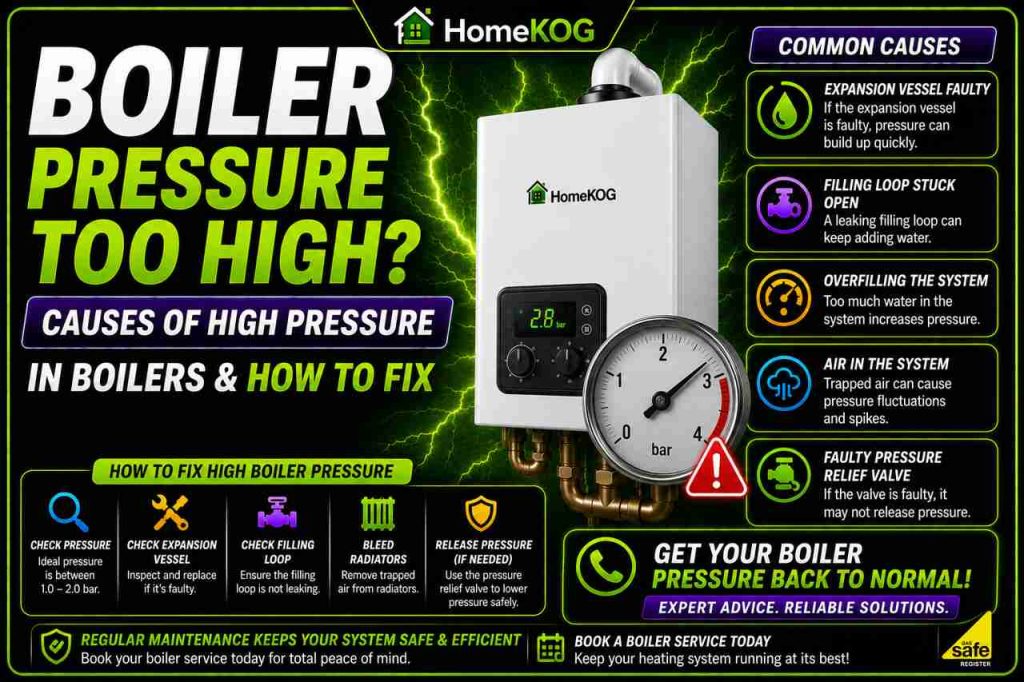
- A Worcester Bosch combi boiler requires a sealed system operating pressure between 1.0 and 2.0 bar, with 1.5 bar being the optimum pressure level for efficient operation.
- A pressure gauge on the front of the Worcester Bosch boiler displays the current system pressure — a needle in the green zone indicates correct pressure; a reading in the red zone below 1.0 bar indicates repressurisation is needed.
- An internal filling key is a white plastic key unique to Worcester Bosch boilers — stored in a white plastic tray beneath the boiler — that unlocks the manifold connection to allow mains water into the sealed system during repressurisation.
- A manifold is the black plastic component inside the Worcester Bosch boiler that connects the cold mains water supply to the central heating return, controlled by the internal filling key.
- A padlock symbol on the manifold plastic indicates the locked and unlocked positions of the internal filling key — the open padlock symbol allows water in; the closed padlock symbol seals the connection.
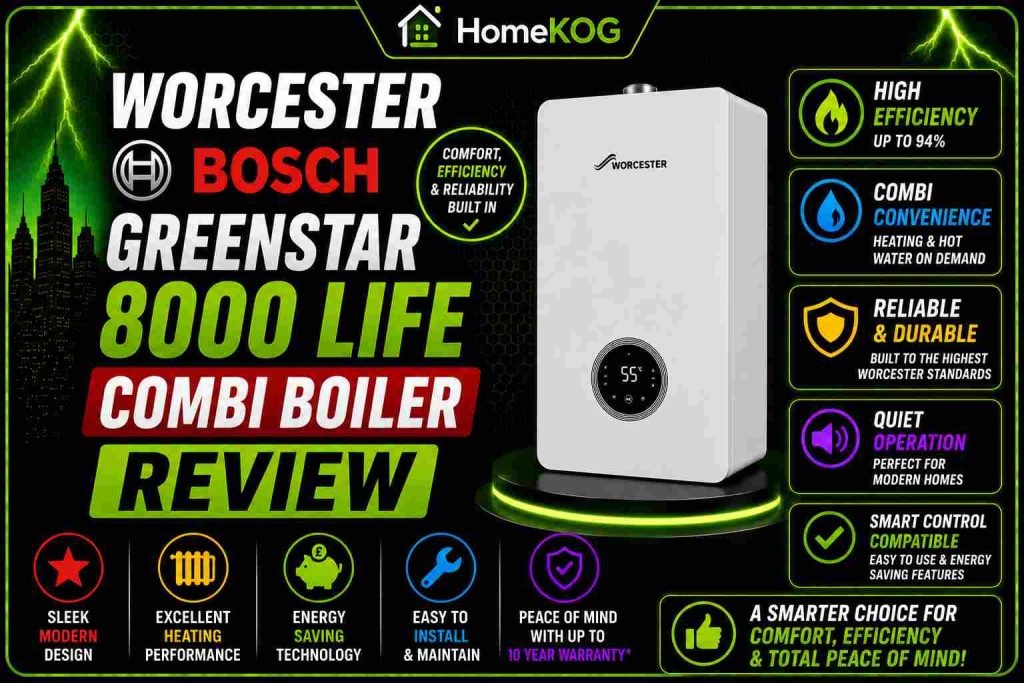
- The Worcester Bosch Intelligent Filling System is an automatic repressurisation feature built into the Greenstar 8000 range as standard, and available as an optional extra on the 4000 range, that monitors system pressure and tops it up automatically without any manual intervention.
- A pressure relief valve is a safety device that discharges water from the system if pressure exceeds the safe maximum — persistent discharge from the overflow pipe indicates an overpressure fault requiring engineer attention.
- Low boiler pressure causes reduced hot water output temperature, inadequate radiator heating, and automatic boiler lockout when pressure drops below the minimum operating threshold.
- Bleeding radiators releases trapped air from the heating circuit but also reduces system water volume, causing a small pressure drop that typically requires a brief repressurise through the filling key afterwards.
- A system leak is indicated when pressure drops repeatedly within a short period after repressurising — visible drips at radiator valves, pipe joints, or within the boiler casing are the most common sources.
- A Gas Safe registered engineer is the only professional legally qualified to investigate and repair internal boiler leaks, expansion vessel faults, or gas-related pressure faults.
- Annual boiler servicing includes a pressure check and inspection of the filling key mechanism, expansion vessel condition, and pressure relief valve to ensure the pressure management system is functioning correctly.
What Is the Correct Pressure for a Worcester Bosch Combi Boiler?
A Worcester Bosch combi boiler should operate at a sealed system pressure between 1.0 and 2.0 bar when cold. The optimum pressure level is 1.5 bar — this provides the ideal balance between adequate system water volume and sufficient headroom for the slight pressure increase that occurs as the system heats up during a heating cycle.
| Pressure Reading | Status | Action Required |
|---|---|---|
| 1.0 – 1.5 bar (cold) | Correct | None |
| 1.5 – 2.0 bar (cold) | Acceptable | Monitor |
| Below 1.0 bar | Too low | Repressurise immediately |
| Above 2.0 bar (cold) | Too high | Do not repressurise; call engineer |
| Above 2.5 bar (warm) | Overpressure | Call Gas Safe engineer |
A pressure reading in the red zone on the gauge — typically anything below 1.0 bar — means the system has lost water and must be repressurised before the boiler will operate correctly. Common causes include bleeding radiators (which releases a small amount of water with the air), a slow system leak at a pipe joint or radiator valve, or the natural micro-seepage that all sealed heating systems experience over time.
Does Your Worcester Bosch Boiler Repressurise Itself?
Before following the manual repressurisation guide below, check whether your Worcester Bosch boiler model is equipped with the Intelligent Filling System — if it is, the boiler manages pressure automatically and you do not need to intervene manually.
- Worcester Bosch Greenstar 8000 series — the Intelligent Filling System is fitted as standard on all models in this range. The boiler monitors system pressure continuously and tops it up automatically when required. If your boiler has this system and pressure is dropping repeatedly, contact a Gas Safe engineer rather than attempting manual repressurisation.
- Worcester Bosch Greenstar 4000 series — the Intelligent Filling System is available as an optional extra on this range. Check your boiler documentation or the installer’s handover notes to confirm whether it was fitted.
- All other Worcester Bosch combi models — manual repressurisation using the internal filling key is required when pressure drops.
If you are unsure whether your model has the intelligent filling system, check the boiler manual or contact Worcester Bosch customer support with the model number. In addition to checking the manual, it’s important to be aware of common boiler kettling noise troubleshooting tips to ensure your system runs smoothly. Unusual banging or rumbling sounds can signal buildup or airflow issues that may require immediate attention. Regular maintenance can also help prevent these sounds from occurring in the first place.
How to Repressurise a Worcester Bosch Combi Boiler: Step-by-Step
The following guide applies to Worcester Bosch combi boilers that use the internal filling key system — the most common manual repressurisation method on Worcester Bosch boilers.
Before starting: Confirm the boiler is switched off. If the system has been running recently, allow it to cool before repressurising — topping up a hot system can cause a temporary pressure reading above the target range.
Step 1: Locate and Remove the Internal Filling Key
Look beneath the Worcester Bosch combi boiler for a white plastic tray. The internal filling key is stored inside this tray. Remove the key from the tray and set the tray aside.
The key is a white plastic component designed specifically for this purpose. If the key is missing, contact Worcester Bosch directly — do not attempt to use any other tool to operate the manifold.
Step 2: Identify the White Arrows on the Key
Examine the internal filling key and locate the white arrows on it. These arrows point upward and are used to align the key correctly with the manifold connection during insertion. They indicate the orientation required for the key to unlock the water flow.
Step 3: Locate the Manifold
The manifold is a black plastic component located at the base of the boiler, connected to the cold mains water supply and the central heating return pipework. It has a padlock symbol printed on its plastic surface — the open padlock symbol and the closed padlock symbol are positioned next to each other on the manifold.
Step 4: Identify the Padlock Symbols
On the manifold, locate the open padlock symbol and the closed padlock symbol. These indicate the two positions of the filling key:
- Open padlock — the unlocked position that allows you to insert the key.
- Closed padlock — the operational position that allows water to flow from the mains into the system when the white nut is turned.
Understanding these positions before inserting the key prevents confusion during the process.
Step 5: Insert the Key into the Manifold
Line up the white arrows on the filling key with the open padlock symbol on the manifold. With the arrows aligned, push the key firmly into the manifold tubing. Once inserted, turn the key from the open padlock position to the closed padlock position. The key must be pushed snugly and fully seated — a loosely fitted key will not operate correctly and may cause water to leak from the connection.
Step 6: Turn the White Plastic Nut to Allow Water In
With the key in the closed padlock position, turn the white plastic nut on the key anticlockwise. You will hear the sound of water entering the central heating system from the mains supply. This is the water filling into the sealed circuit to restore the system pressure.
Step 7: Monitor the Pressure Gauge
Watch the pressure gauge on the front of the boiler continuously as water enters the system. The needle will rise from the red zone toward the green zone.
When the pressure gauge reaches 1.5 bar, turn the white plastic nut clockwise to stop water entering the system. Do not allow the pressure to rise above 2.0 bar — overshooting the target requires water to be bled back out of the system through a radiator bleed valve.
Step 8: Remove the Internal Filling Key
Turn the key from the closed padlock position back to the open padlock position and remove it from the manifold. A small number of water drops escaping as you remove the key is normal. If water continues to drip after the key has been fully removed, check whether the white plastic nut was tightened fully in Step 7.
Store the key back in the white plastic tray beneath the boiler ready for future use.
Step 9: Switch the Boiler Back On
Restore power to the boiler and switch it on. The low pressure fault should clear and the boiler should return to normal operation. Check the pressure gauge after the first full heating cycle — it may rise slightly as the system warms. A reading of up to 2.0 bar when warm is normal for a system correctly pressurised to 1.5 bar when cold.
What If the Pressure Rises Too High?
If the needle rises into the upper red zone during repressurisation, stop the water flow immediately by tightening the white plastic nut and removing the key. The pressure has been set too high.
To reduce it to the correct range, bleed a small amount of water from a radiator bleed valve — open the valve slightly, allow a small amount of water (not just air) to escape, then close the valve. Check the pressure gauge after each brief bleed until the reading returns to the 1.0 to 1.5 bar range.
What If the Internal Filling Key Gets Stuck?
If the internal filling key becomes stuck in the manifold, do not force it or try to turn it further. Applying excessive force risks snapping the key or damaging the manifold, potentially causing overpressurisation or a water leak within the boiler.
Contact a Gas Safe engineer to release the key safely and assess whether the filling link needs replacing. Attempting to force a stuck key can escalate a minor inconvenience into a significant and costly repair.
Worcester Bosch Boiler Pressure Keeps Dropping: What to Do
If your Worcester Bosch boiler requires repressurising more frequently than once every few months, an active leak in the sealed system is the most likely cause.
Common sources of pressure loss include:
- Weeping radiator valve packing — small drips at radiator valve connections that allow water to escape slowly.
- Loose compression fittings — pipe joint connections that have loosened slightly over time.
- A faulty or weeping pressure relief valve — check the overflow discharge pipe externally for signs of continuous or intermittent water release.
- Expansion vessel failure — the internal diaphragm of the expansion vessel can fail, causing erratic pressure behaviour.
- Internal boiler component failure — seal or heat exchanger leaks within the boiler casing.
Visually inspect all accessible radiator connections and pipework for damp patches or staining. If no external source is visible but pressure continues to drop, book a Gas Safe engineer service or contact Worcester Bosch directly for an accredited installer referral.
Frequently Asked Questions
How do I repressurise a Worcester Bosch combi boiler?
To repressurise a Worcester Bosch combi boiler, remove the internal filling key from the white plastic tray beneath the boiler, insert it into the manifold by aligning the white arrows with the open padlock symbol, turn it to the closed padlock position, and turn the white plastic nut anticlockwise to allow mains water into the system. Watch the pressure gauge and stop when it reaches 1.5 bar by tightening the nut. Remove the key and restart the boiler. The process takes approximately 10 seconds once the key is correctly inserted.
What pressure should a Worcester Bosch boiler be at?
A Worcester Bosch combi boiler should operate at a sealed system pressure between 1.0 and 2.0 bar when cold, with 1.5 bar being the optimum level. A reading below 1.0 bar on the pressure gauge indicates the system needs repressurising. A consistent reading above 2.0 bar when cold, or above 2.5 bar when warm, indicates an overpressure condition that should be investigated by a Gas Safe engineer rather than being topped up further.
Does my Worcester Bosch boiler repressurise itself?
Worcester Bosch Greenstar 8000 series boilers have the Intelligent Filling System fitted as standard, which monitors system pressure and repressurises automatically without any manual intervention. The Greenstar 4000 series has the Intelligent Filling System available as an optional extra. If your boiler has this system installed, you should not need to use the manual filling key for routine pressure maintenance — persistent pressure loss on a boiler with this system should be investigated by a Gas Safe engineer.
What causes low pressure in a Worcester Bosch boiler?
Low pressure in a Worcester Bosch boiler is caused by water loss from the sealed heating system. The most common causes are bleeding radiators without subsequently topping up the pressure, a slow leak at a radiator valve or pipe joint, a faulty pressure relief valve releasing water, or the natural micro-seepage that all sealed systems experience over time. If pressure drops rapidly and repeatedly, an active leak requires investigation by a Gas Safe engineer.
What should I do if the filling key gets stuck in my Worcester Bosch boiler?
If the internal filling key becomes stuck in the manifold, do not force it. Contact a Gas Safe engineer to remove it safely — forcing a stuck key risks damaging the manifold or causing overpressurisation. The filling link may need to be replaced as part of the repair. Worcester Bosch customer support can refer you to an accredited installer in your area if needed.
How often should I repressurise my Worcester Bosch boiler?
A Worcester Bosch boiler in good condition may only need repressurising once or twice a year — typically after bleeding radiators or following any maintenance that opens the heating circuit. There is no fixed schedule. If you find yourself repressurising more than once every few months, the system has an active leak that should be investigated and repaired. Annual boiler servicing includes a pressure check and can identify developing leaks before they cause repeated pressure loss.
Conclusion: Keep Pressure at 1.5 Bar and Act on Persistent Drops
Repressurising a Worcester Bosch combi boiler using the internal filling key is a straightforward task that takes less than 10 minutes once you are familiar with the process. The unique filling key system differs from the external filling loops used by other manufacturers but follows the same principle — introducing mains water into the sealed circuit to restore the correct operating pressure.
Set the target to 1.5 bar, monitor the gauge carefully, and return the key to its tray once the process is complete. If pressure returns to the correct level and stays there, no further action is needed until it drops again.
If pressure drops repeatedly — particularly if it requires topping up more than once every few months — investigate the source of the water loss rather than continuing to top it up. A Gas Safe engineer can locate and repair the leak, protecting both the boiler’s performance and the manufacturer’s warranty.