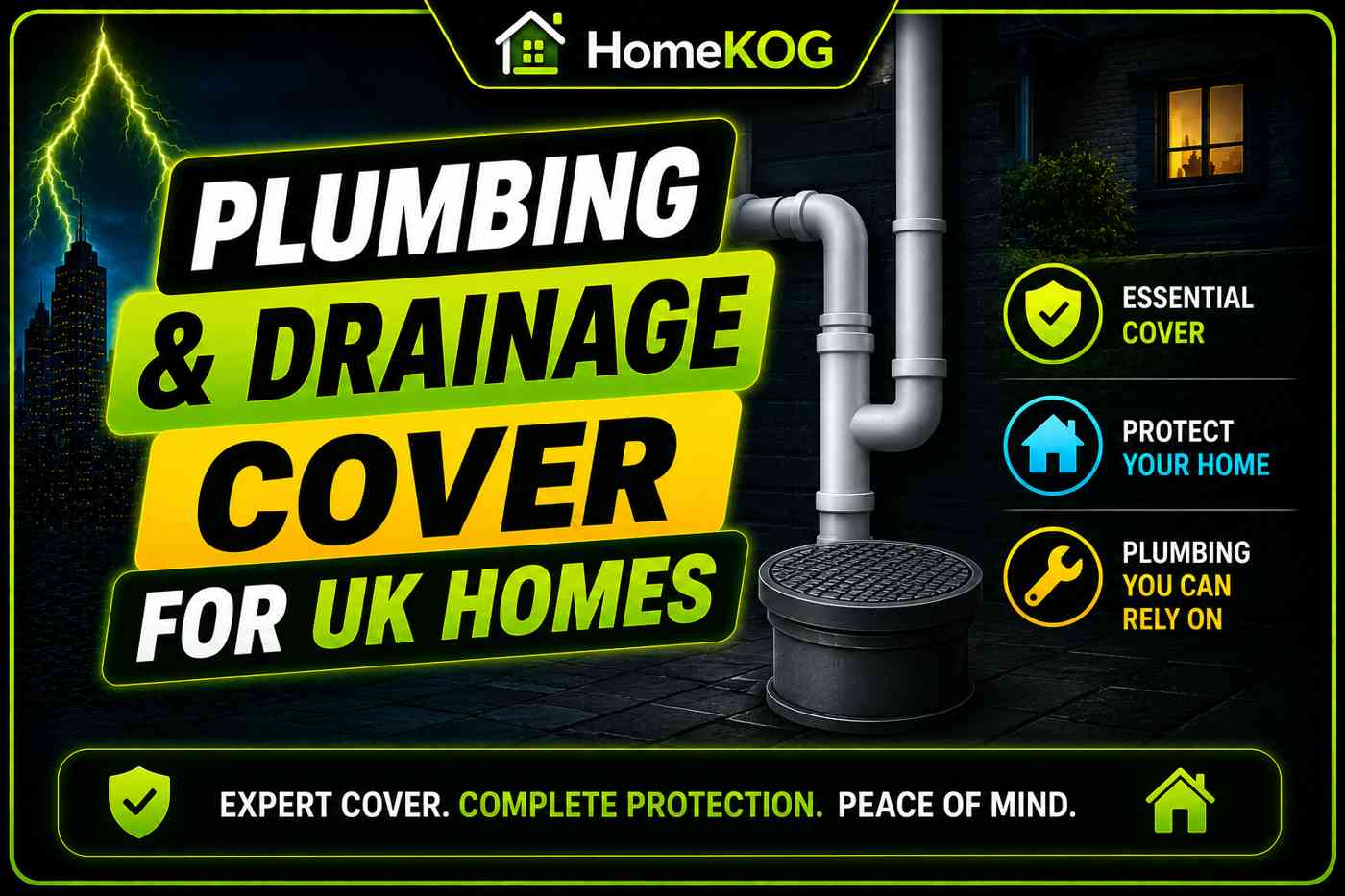

Plumbing and Drainage Cover – Why Do You Need It?
Quick Answer:
Plumbing and drainage cover is a home emergency policy that helps pay for repairs to blocked drains, leaking pipes, toilets, sinks, and water supply pipework. It can be worth having for homeowners and landlords who want protection from sudden repair costs, emergency call-out fees, and stressful plumbing problems.
Get plumbing and drainage cover online here >
Burst pipes and blocked drains always seem to happen at the worst possible time. On top of the inconvenience, repair bills and emergency call-out charges can rise quickly, especially if the problem causes wider damage.
That is why many homeowners and landlords consider plumbing and drainage cover. The right policy can reduce unexpected costs, speed up repairs, and give you peace of mind when something goes wrong.
Plumbing and Drainage Cover Explained
Plumbing and drainage cover protects pipework, drains, and water-related systems against sudden faults and emergency breakdowns. Home emergency cover often includes plumbing repairs, blocked drains, leaking pipes, and toilet or sink issues, while broader policies may also cover boilers, electrics, and gas supply faults.
Homeowners and landlords benefit from emergency assistance and reduced repair costs, while tenants usually rely on landlords to arrange and pay for repairs. Policy terms define claim limits, exclusions, and call-out allowances, so understanding cover details is essential before choosing a plan.
What Is Plumbing and Drainage Cover?
Plumbing and drainage cover is a type of home emergency insurance that helps cover the cost of urgent plumbing and drainage repairs. It is often included as an optional extra within boiler cover or wider home emergency policies.
Depending on the provider, it may cover blocked drains, leaking internal pipes, toilet faults, sink blockages, and damage to water supply pipes. Some policies are basic, while others are much more comprehensive.
Do You Need Plumbing and Drainage Cover?
Plumbing and drainage cover is not essential for everyone, but it can be very useful in the right situation. Homeowners and landlords are the people most likely to benefit, especially if they want to avoid sudden repair bills and emergency call-out costs.
If you are a tenant, you usually do not need to buy this type of cover yourself. In most cases, plumbing and drainage repairs are the landlord’s responsibility, so your role is normally to report the issue as soon as possible.
Who Benefits Most from Plumbing and Drainage Cover?
Homeowners often benefit because they are directly responsible for repairs to their property. If a drain blocks or a pipe bursts, they need to deal with the cost and the disruption.
Landlords can also benefit because plumbing issues in rental properties can become expensive and urgent very quickly. A policy can make repairs easier to arrange and help control maintenance costs across the year.
What’s Covered in Plumbing and Drainage Insurance?
The exact level of cover depends on the insurer and policy type, but most basic plans include protection against common plumbing emergencies. This usually means repairs for blocked drains, leaking pipes, and water supply issues.
More comprehensive policies may also include toilets, sinks, internal pipework, and sometimes related systems such as boilers, central heating, electrics, or gas supply services. The wider the cover, the higher the premium usually becomes.
Common Items Usually Covered
| Covered Item | Typical Inclusion |
|---|---|
| Blocked drains | Yes, under most policies |
| Leaking internal pipes | Usually included |
| Toilet blockages or faults | Often included |
| Sink and waste pipe issues | Often included |
| Water supply pipe problems | Usually included |
| Emergency call-out | Common in most plans |
| Labour and repair costs | Often included up to a limit |
What’s Not Covered in Plumbing and Drainage Insurance?
Even comprehensive policies come with exclusions, so it is important to read the terms carefully. Many providers only cover the immediate plumbing fault and not the wider damage caused by it.
For example, a policy may pay to repair a leaking pipe but not the water damage to flooring, walls, or furniture. Some insurers also exclude general wear and tear, lack of maintenance, and pre-existing issues.
Common Exclusions
| Excluded Item | Why It May Not Be Covered |
|---|---|
| Damage caused by leaks | Often classed as separate accidental damage |
| Poor maintenance | Policies may require proper upkeep |
| Hard water scale build-up | Often seen as preventable wear |
| Blocked guttering | Not always included |
| Pest issues in outbuildings | Frequently excluded |
| Old or poorly maintained boilers | Cover may be restricted |
Is Home Insurance Enough?
Some buildings insurance policies already include limited cover for plumbing and drainage problems, especially where sudden escape of water or burst pipes are involved. That means you may already have some protection in place.
However, home insurance often focuses on the damage caused rather than fast emergency repair of the original plumbing fault. It may also exclude smaller urgent jobs, blocked drains, or routine emergency call-outs, so it is worth checking your existing policy before paying for extra cover.
Is It Worth Getting Plumbing and Drainage Cover?
For many homeowners and landlords, plumbing and drainage cover is worth it because it offers reassurance and financial protection against emergency repair costs. Even one urgent call-out can cost a significant amount, especially outside normal working hours.
That said, it is not automatically worth buying in every case. The best way to judge value is to compare the annual premium against the likely cost of paying for repairs yourself, while also checking what your existing home insurance already covers.
When It Is More Likely to Be Worth It
This kind of cover can be more worthwhile if your property is older, if you have had repeated plumbing issues in the past, or if you want fast access to emergency help without worrying about large one-off repair bills.
It can also make sense if you own multiple rental properties and want a more predictable way to manage repair costs.
Standalone Cover vs Add-On Cover
Some people add plumbing and drainage protection to an existing boiler or home emergency policy. Others choose a standalone policy for more focused cover.
An add-on is often the cheaper option, especially if you already have boiler cover. A standalone policy may offer broader protection, but it is usually more expensive, so the best choice depends on your budget and how much cover you want.
Common Drainage Problems
Blocked drains are one of the most common household plumbing issues. They can be caused by food waste, grease, wipes, hair, soap residue, and other materials that collect over time.
More serious drainage issues can come from cracked pipes, collapsed drains, or tree root intrusion. These tend to need professional repair and can be much more expensive than a simple blockage.
Common Causes of Blockages
Food residue and cooking fat are major causes of kitchen sink blockages. Once cooled, grease and oil can harden in the pipe and trap other waste.
Baby wipes are another common cause. Even products marketed as flushable can create serious drainage problems because they do not break down like toilet paper.
Tips on How to Solve Minor Plumbing Problems
Some smaller plumbing issues can be handled at home without needing a tradesperson. This is especially true for minor sink or basin blockages, where simple methods are often enough.
However, if the blockage is severe, keeps returning, or seems to affect multiple drains, it is usually better to call a professional before the problem gets worse.
Practical Steps You Can Try
- Use a plunger to loosen and remove simple blockages in sinks, toilets, or baths.
- Try a drain-safe cleaning solution, or use baking soda and vinegar followed by hot water.
- Use drain rods carefully if the blockage is accessible and you know how to handle them properly.
- Call a professional if the blockage is persistent, inaccessible, or affecting the wider drainage system.
How to Prevent Plumbing and Drainage Problems
The best approach is always prevention. Avoid pouring oil or grease down the sink, scrape food into the bin before washing plates, and never flush wipes, sanitary products, or paper towels down the toilet.
It also helps to deal with small issues quickly. A slow-draining sink or repeated bad smell can be an early sign of a bigger problem forming in the pipework.
What to Check Before Buying a Policy
Before choosing plumbing and drainage cover, check how many call-outs are included each year, what the claim limits are, and whether emergency labour is fully covered. You should also look at exclusions, waiting periods, and whether accidental damage is included.
It is also wise to choose a regulated insurer or underwriter so you know the policy meets proper standards and offers reliable customer support.
Plumbing and Drainage Cover Costs
Costs vary depending on the provider, the level of cover, and whether plumbing and drainage protection is part of a wider home emergency package. Basic add-on cover is usually cheaper than a standalone policy with broad protection.
The real value comes from how likely you are to need it. A policy can feel expensive until you need an urgent repair at night or on a weekend, when labour and call-out charges quickly rise.
How Does Electric Boiler Installation Impact Plumbing and Drainage Systems in UK Homes?
Electric boiler types and installation can significantly affect plumbing and drainage systems in UK homes. Proper installation ensures efficient heating while minimizing pressure on existing pipes. A well-designed setup prevents leaks and enhances overall system performance, ultimately leading to improved energy efficiency and reduced maintenance costs for homeowners.
Frequently Asked Questions
What is plumbing and drainage cover?
Plumbing and drainage cover is a home emergency insurance policy that helps pay for urgent repairs involving blocked drains, leaking pipes, toilets, sinks, and related water supply problems. It is designed to reduce unexpected repair costs and provide access to emergency help when plumbing issues happen suddenly.
Do I need plumbing and drainage cover as a tenant?
Usually no, because tenants are not normally responsible for paying for plumbing and drainage repairs in the property. In most rental situations, the landlord or letting agent must arrange and pay for repairs, so the tenant’s role is to report faults quickly.
What does plumbing and drainage cover usually include?
Most policies include blocked drains, leaking internal pipes, toilet issues, sink blockages, and emergency call-out assistance. More comprehensive plans may also extend to water supply pipes, boiler cover, central heating, and other home emergency services depending on the provider.
What is not usually covered by plumbing and drainage insurance?
Many policies exclude damage caused by the leak or blockage, general wear and tear, poor maintenance, hard water scale, blocked guttering, and pre-existing faults. That is why checking the policy wording carefully is important before buying cover.
Is plumbing and drainage cover worth it?
It can be worth it for homeowners and landlords who want peace of mind and protection from unexpected emergency repair bills. The value depends on your property, your existing home insurance, and how likely you are to face plumbing issues.
Does home insurance already cover drains and plumbing?
Sometimes, but not always in the way people expect. Buildings insurance may cover certain types of water damage or burst pipes, but it often does not include fast emergency repair of blocked drains or internal plumbing faults. You need to check your policy carefully.
Can I add plumbing and drainage cover to boiler cover?
Yes, many providers let you add plumbing and drainage protection to an existing boiler or home emergency policy. This is often a cost-effective way to widen your cover without paying for a completely separate standalone plan.
Are blocked drains covered by plumbing insurance?
In many cases yes, blocked drains are one of the most common things included in plumbing and drainage cover. However, the exact limits and circumstances vary by provider, so it is important to check whether internal drains, external drains, or both are included.
Conclusion
Plumbing and drainage cover can be a useful safety net for homeowners and landlords who want help with sudden pipework and drainage emergencies. It can reduce the stress of unexpected repairs, make emergency response easier, and protect you from large one-off costs.
The key is choosing the right level of cover for your property. Check what your current home insurance already includes, compare policy limits and exclusions carefully, and only pay for extra protection where it genuinely adds value.