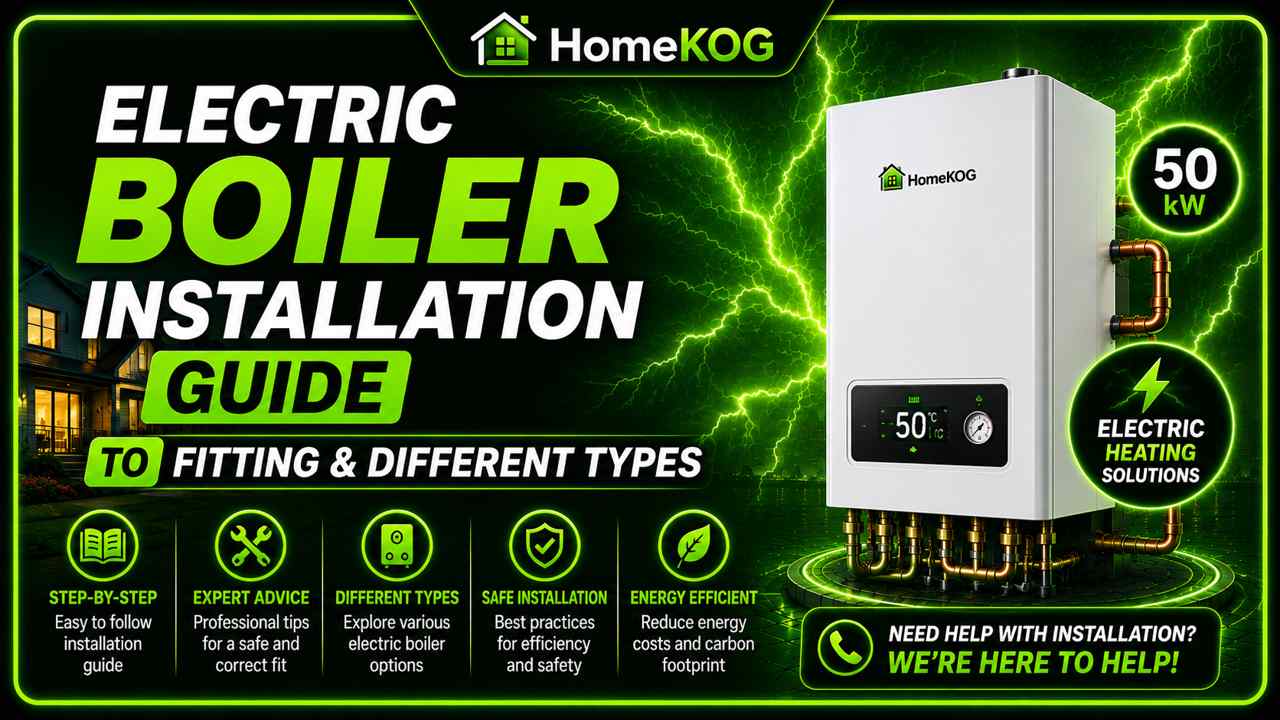

Electric Boiler Installation Guide 2026
Quick Answer
Electric boiler installation involves choosing the right boiler size, checking your home’s electrical capacity, fitting a dedicated circuit, installing the boiler safely, and commissioning the system. Most UK homes need a qualified electrician and heating engineer for the job, with total installed costs usually ranging from around £1,150 to £6,000 depending on the boiler type and complexity.
Electric boiler installation can be a smart choice for homes without gas, smaller properties, or households aiming to simplify their heating setup. The process is usually cleaner than gas boiler fitting, but it still needs careful planning, the right electrical supply, and professional installation.
If you are considering an electric boiler in 2026, the biggest things to get right are boiler size, running costs, and your home’s wiring. Get those right, and the system can be compact, reliable, and easy to run.
Semantic Entity Relationships
- Electric boiler → uses → electricity to heat water
- Heating element → warms → water inside the boiler
- Dedicated circuit → supplies → safe electrical power to the boiler
- Ring main → is unsuitable for → most electric boilers
- Combi electric boiler → provides → heating and hot water on demand
- System electric boiler → works with → a hot water cylinder
- Heat-only electric boiler → supports → larger stored hot water systems
- Boiler size → affects → heating performance and running cost
- Smart controls → improve → energy efficiency and convenience
- Annual servicing → protects → boiler performance and lifespan
- Solar panels → can support → electric heating demand
- Qualified installer → ensures → safe and compliant fitting
What Is an Electric Boiler?
An electric boiler is a heating appliance that uses electricity instead of gas or oil to heat water. That hot water then circulates through radiators or underfloor heating to warm the property.
The basic principle is similar to a kettle. Cold water enters the boiler, an internal heating element warms it, and the heated water is pumped into your heating system.
How Does an Electric Boiler Work?
Electric boilers heat water using an electric element rather than burning fuel. This makes them simpler in design than gas boilers because there is no burner, no flue gas combustion, and no fuel storage.
When your thermostat calls for heat, the boiler activates its heating element. Water is then heated and sent around the property through the central heating system.
Can You Run an Electric Boiler from a Ring Main?
No, in most cases an electric boiler should not be powered from a standard ring main. Electric boilers usually draw far more power than normal domestic sockets are designed to handle safely.
Trying to run one from a ring main can overload the circuit, trip breakers, and create a serious electrical safety risk. Most electric boilers require their own dedicated supply.
What Is a Dedicated Circuit?
A dedicated circuit is an electrical circuit that serves one appliance only. In this case, it runs directly from the consumer unit to the electric boiler without sharing power with sockets, lights, or other household devices.
That matters because electric boilers use high electrical loads. A dedicated circuit helps ensure stable operation and reduces the risk of overheating or overloading the system.
Do Electric Boilers Need Their Own Electrical Supply?
Yes, most electric boilers need a dedicated electrical supply. This is one of the most important parts of electric boiler installation.
The installer will usually assess your consumer unit, the boiler’s kW rating, cable size, breaker size, and whether your property has single-phase or three-phase electricity.
Does the Cable Type Matter?
Yes, it matters a lot. The cable must be correctly sized for the current the boiler will draw. Using the wrong cable can lead to overheating, poor performance, or fire risk.
In many domestic installations, a thick cable such as 10mm² may be required, although the exact cable size depends on the boiler output and installation design.
Electric Boiler Running Costs in 2026
Electric boilers are efficient at converting electricity into heat, but electricity still tends to cost more per unit than mains gas. That means electric boiler running costs are often higher than gas boiler running costs.
For a typical 3-bedroom UK home, annual electric boiler running costs can be around £1,700 or more, depending on insulation, tariff, usage, and controls.
How to Choose the Right Electric Boiler
Choosing the right electric boiler starts with your property size, hot water demand, and heating setup. Buying a boiler that is too small can leave rooms cold, while one that is too large may waste money.
You should also consider whether you need heating only, stored hot water, or instant hot water at the tap.
Property Size Guide
| Property Type | Typical Boiler Output | Best Fit |
|---|---|---|
| Small flat or 1-bathroom home | 4kW to 11kW | Electric combi or compact system |
| Medium home with 2–3 bathrooms | 11kW to 20kW | System or larger combi |
| Large home with 3+ bathrooms | 20kW to 35kW+ | Heat-only or high-output system |
| Small business unit | 20kW to 30kW | System or commercial electric boiler |
| Larger commercial space | 40kW+ | Specialist commercial setup |
Heating Demand Guide
A rough rule is around 1.5kW of boiler output per radiator, then extra output if you also want domestic hot water. This is only a guide, but it helps show why proper sizing matters. Choosing the right boiler sizing solutions for homes can significantly impact energy efficiency and comfort levels. Taking the time to assess the heating requirements of each room ensures that you have a system that operates effectively and economically. Proper boiler sizing not only prevents oversizing, which can lead to unnecessary costs, but also minimizes the risk of underheating common areas.
A home with 6 radiators might need around 9kW for heating alone, with more capacity needed if the boiler also handles hot water.
Types of Electric Boilers
Electric boilers come in several forms, and the best one depends on your home and hot water usage.
Electric combi boilers
Electric combi boilers provide central heating and hot water without needing a separate cylinder. They are best for smaller homes or flats with limited space.
They are simple and compact, but they are not always ideal for larger homes with high simultaneous hot water demand.
Heat-only electric boilers
Heat-only electric boilers work with a separate hot water cylinder. They are often better suited to larger homes where stored hot water is more practical.
This setup gives better support for multiple taps or bathrooms, but it needs more space.
System electric boilers
System electric boilers also use a hot water cylinder, but many system components are built into the boiler itself. That can make installation neater and easier.
They are a good middle ground for homes that need stronger hot water performance than a combi can give.
What Features Should You Look For?
The best electric boiler is not just about output. Features also matter because they affect comfort, usability, and long-term running costs.
Key features checklist
- High energy efficiency rating
- Smart or app-based controls
- Quiet operation
- Compact casing
- Good warranty length
- Easy-to-read display
- Compatible thermostats and zoning controls
Electric Boiler Prices in 2026
Electric boiler prices vary widely by output, type, and brand. Boiler-only prices usually start from around £500 and can go up to around £4,500.
Installed prices are higher because they include labour, electrical work, commissioning, and sometimes system upgrades.
Electric Boiler Cost Guide
| Cost Type | Typical Price Range |
|---|---|
| Budget electric boiler | £700 to £1,500 |
| Mid-range electric boiler | £1,500 to £2,500 |
| Premium electric boiler | £2,500 to £4,500 |
| Standard installation labour | £500 to £1,500 |
| Typical full installed cost | £1,150 to £6,000 |
Single-Phase vs Three-Phase Supply
Most UK homes have single-phase 230V electricity. This is usually suitable for smaller electric boilers, often up to about 12kW.
Larger boilers may need a 400V three-phase supply. If your chosen boiler needs that and your home does not have it, your electrical infrastructure may need upgrading, which increases costs.
Preparing for Electric Boiler Installation
Preparation is one of the biggest parts of a successful installation. The boiler may be compact, but the surrounding electrical and heating system still needs to be suitable.
This stage includes choosing installers, checking compliance, and making sure the installation area is ready.
Hiring qualified professionals
Electric boiler fitting is not a DIY job. You will normally need a qualified electrician and a heating engineer, especially if the installation includes plumbing changes and a new circuit.
The best option is usually a company that can handle both the electrical and heating work in one coordinated job.
Permits and compliance
The installation must comply with current building regulations and electrical safety standards. A reputable installer should handle the compliance side and advise if notification is required.
If an old gas or oil boiler is being removed, safe disconnection and disposal also matter.
Site preparation
Before installation, the property’s electrical capacity should be checked. This includes the consumer unit, wiring condition, breaker size, and available supply.
The chosen location also needs enough space, safe access, and suitable plumbing connections.
Step-by-Step Electric Boiler Installation Process
The fitting process is usually cleaner than a gas boiler swap, but it still has several important stages.
Step 1: Remove the old boiler
If you are replacing a gas or oil boiler, the old system must be disconnected safely. This includes fuel isolation, removal of the old unit, and dealing with flue or tank-related components where needed.
Step 2: Fix and position the new boiler
The new electric boiler is mounted securely in place. It must be level, accessible, and located close enough to the necessary plumbing and electrical connections.
Step 3: Complete plumbing connections
The installer connects the boiler to the heating circuit and, if relevant, to the hot water cylinder or domestic hot water supply. The exact pipe layout depends on whether the boiler is combi, system, or heat-only.
Step 4: Complete electrical connections
This is the critical stage. The boiler is wired to its dedicated supply circuit using the correct cable and protective devices. An isolator is normally fitted nearby for safety.
Step 5: Clean and protect the system
A system cleanse may be carried out, especially if the heating system is older. Inhibitor is then added to help prevent corrosion and sludge build-up.
Step 6: Test and commission the boiler
The final step is commissioning. The installer checks the controls, water circulation, electrical safety, pressure, and heating performance to make sure everything works correctly.
Electric Boiler Installation Timeline
| Installation Type | Typical Time |
|---|---|
| Straight electric boiler swap | 1 day |
| Boiler plus new controls | 1 to 2 days |
| Gas-to-electric conversion | 2 to 3 days |
| Installation with major electrical upgrade | 2 to 4 days |
How to Make an Electric Boiler Cheaper to Run
Electric heating costs can be managed better if the system is set up properly and the property is insulated well.
Use efficient settings and controls
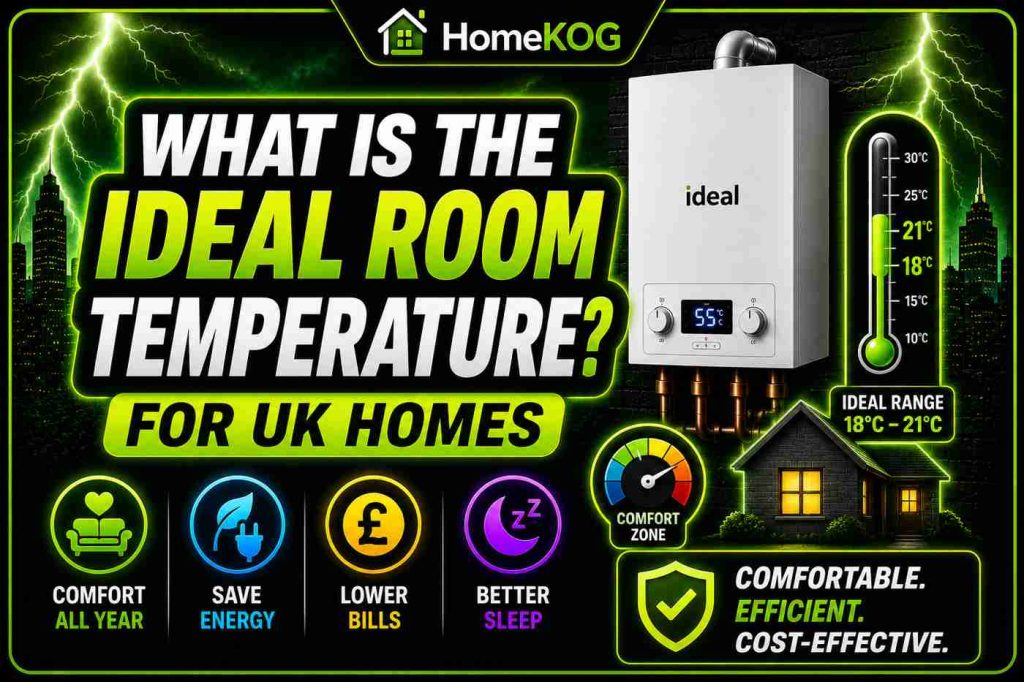
Set your room thermostat to the lowest comfortable level, usually around 18°C to 21°C. Lowering temperatures slightly can make a real difference over a full winter.
Programmable controls, zoning, and thermostatic radiator valves also help stop wasted heating.
Improve insulation
A poorly insulated home will make any heating system more expensive to run. Loft insulation, draught proofing, and upgraded windows all improve results.
Consider renewable electricity
Solar panels can help offset some of the electricity demand, especially if paired with smart controls or battery storage. This can make an electric boiler more attractive in the long term.
Annual Servicing and Maintenance
Electric boilers generally need less maintenance than gas boilers, but they still benefit from annual servicing. Regular checks help catch worn components, poor wiring connections, or pressure issues before they grow into bigger faults.
Servicing also supports efficiency and extends the life of the appliance.
Common Electric Boiler Problems
Even reliable electric boilers can develop faults over time. Most issues are electrical, pressure-related, or control-related.
Common issues
| Problem | Likely Cause | Typical Action |
|---|---|---|
| Boiler will not power on | Power supply or breaker issue | Check supply and call electrician if needed |
| Low pressure | Leak or pressure drop | Repressurise after checking for leaks |
| RCD keeps tripping | Circuit overload or earth fault | Professional electrical inspection |
| Boiler runs but no heat | Heating element or control issue | Diagnostic test by engineer |
| Inconsistent heating | Sludge, air, or thermostat issue | Bleeding, flushing, or control check |
The Future of Electric Boilers
Electric boilers are likely to become more relevant as the UK pushes toward lower-carbon heating. They are especially appealing where gas is unavailable, space is tight, or homeowners want a simpler alternative to combustion-based heating.
As electricity markets, smart grids, and renewable energy improve, electric boilers may become easier to justify financially in more homes.
Does Boiler Pressure Affect the Installation of Electric Boilers?
When considering the installation of electric boilers, understanding the impact of boiler pressure is crucial. Ensuring that the system operates within optimal boiler pressure levels explained can prevent inefficiencies and enhance the longevity of the unit. Proper pressure settings lead to improved performance and energy savings over time.
Frequently Asked Questions
Can an electric boiler heat a whole house?
Yes, an electric boiler can heat a whole house if it is sized correctly for the property. The main factors are radiator count, insulation quality, and hot water demand. Smaller homes are often the easiest fit, but larger homes can also use electric boilers if the electrical supply and system design are suitable.
Does an electric boiler need a dedicated circuit?
Yes, most electric boilers need their own dedicated circuit because they draw a high electrical load. A shared ring main is usually not suitable or safe. A dedicated circuit helps protect the boiler, prevents overload, and allows the installer to match the cable size and breaker correctly to the boiler’s power requirements.
Are electric boilers cheaper to install than gas boilers?
Electric boilers can be cheaper to install in some situations because there is no gas flue, no combustion system, and fewer ventilation concerns. However, if your home needs a consumer unit upgrade, a dedicated circuit, or a three-phase supply, installation costs can rise. The final answer depends on the property rather than the boiler alone.
How long does electric boiler installation take?
A simple electric boiler replacement may take around one day, while a gas-to-electric conversion often takes longer. If the job needs new wiring, upgraded controls, or changes to the heating system, installation can take two or three days. Larger or more complex projects may take longer depending on site conditions.
Do electric boilers need annual servicing?
Yes, annual servicing is still a good idea even though electric boilers are mechanically simpler than gas boilers. A yearly service helps check wiring, system pressure, controls, and internal components. It also helps keep the boiler operating efficiently and reduces the chance of small faults turning into expensive repairs later on.
Are electric boilers expensive to run?
Electric boilers are usually more expensive to run than gas boilers because electricity costs more per unit than mains gas. That said, they are efficient at converting electricity into usable heat. Running costs depend heavily on tariff, insulation, system controls, and heating habits, so well-managed systems can still perform reasonably.
Can solar panels power an electric boiler?
Solar panels can help support an electric boiler, but they do not always power it fully on their own. In many homes, solar generation offsets part of the electricity demand rather than covering the whole heating load. When combined with battery storage and smart controls, solar can make electric heating more efficient and more cost-effective.
Is an electric boiler a good choice in 2026?
An electric boiler can be a very good choice in 2026 for homes without gas, flats with limited space, or properties looking for a simple low-maintenance system. It is less ideal where electricity costs are high and heating demand is very heavy. The best results come when the home is well insulated and the system is sized properly.
Final Thoughts
Electric boiler installation is usually simpler than gas boiler fitting, but it still needs careful design and qualified installation. The most important decisions are choosing the right boiler type, confirming the electrical supply, and being realistic about running costs.
For smaller homes, off-grid properties, and households that value compact design and low-maintenance heating, an electric boiler can be a practical solution. If the property is well insulated and the controls are set up properly, it can be a very tidy and effective system for 2026 and beyond.