
Emergency Boiler Installation: How to Get a Fast Replacement in the UK 2026
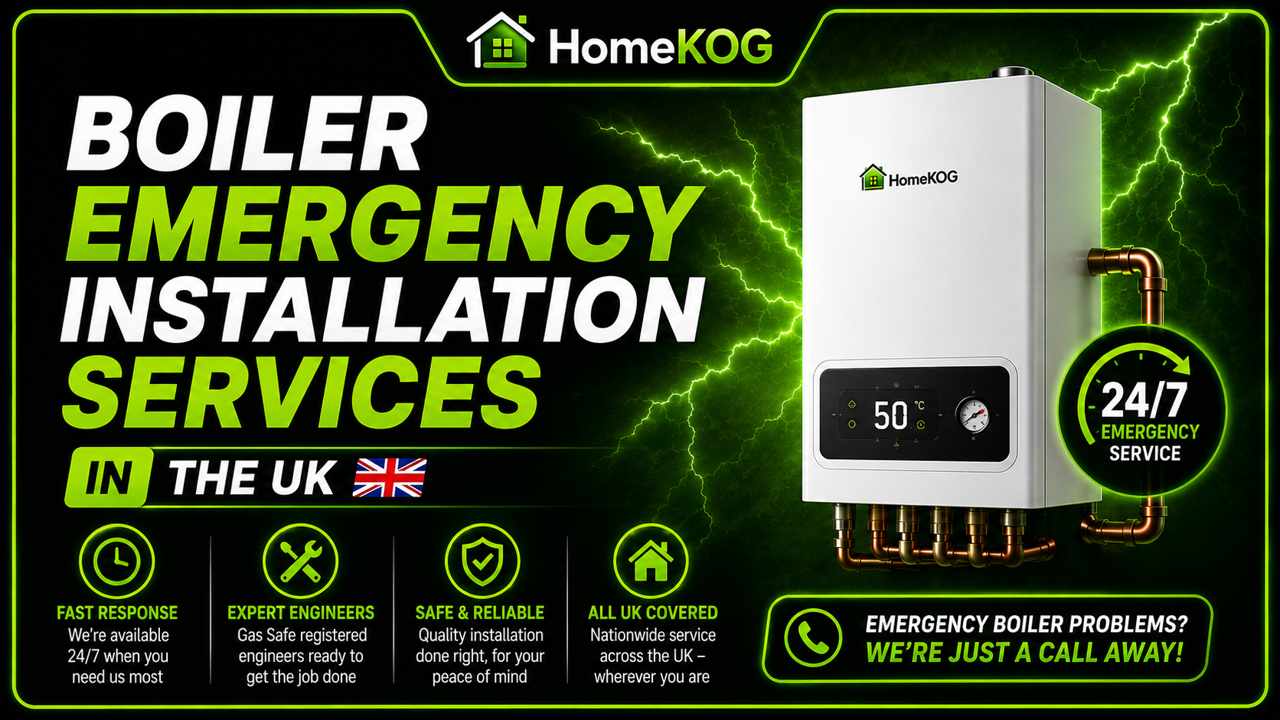
Quick Answer: Emergency boiler installations in the UK are typically completed within 24 hours of contact — and in some cases the same day depending on engineer availability and the time of contact. Emergency installations are prioritised over scheduled work, particularly where there is no heating or hot water for vulnerable occupants, a water leak from the boiler, or a suspected gas leak. Out-of-hours emergency work carries a premium over standard installation rates. If a gas or carbon monoxide leak is suspected, leave the property immediately, open doors and windows as you exit, do not touch any switches or create any ignition source, and call the National Gas Emergency Service on 0800 111 999 from outside the building.
A boiler breakdown is stressful in any weather, but a complete failure in winter — with no heating and no hot water — is a genuine household emergency, particularly where elderly people, young children, or individuals with health conditions are present. Understanding how emergency boiler installation works, what it costs, and exactly what to do in the most serious scenarios — including gas and carbon monoxide emergencies — enables homeowners to respond calmly and effectively when it matters most.
What Qualifies as a Boiler Emergency?
Not every boiler fault constitutes an emergency in the strict sense, but several situations warrant treating the situation as urgent and contacting an engineer for same-day or next-day attendance.
Complete loss of heating and hot water in cold weather — particularly where elderly or vulnerable occupants are present, or where there are young children in the home — is the most common boiler emergency. Young children and the elderly are significantly more susceptible to health complications from cold exposure than healthy adults, and this factor should always accelerate the timeline for repair or replacement.
Water leaking from the boiler constitutes an emergency due to the risk of water damage to surrounding structures and electrical components, and in some cases the risk of the boiler’s electrical system being compromised by the water. A small drip that appears during a routine check is less urgent than a flowing leak or water pooling rapidly under the boiler.
A suspected gas or carbon monoxide leak is the most serious boiler emergency and requires immediate evacuation of the property and contact with the National Gas Emergency Service before any boiler engineer is contacted. This scenario is covered in detail below.

How Quickly Can an Emergency Boiler Be Installed?
Emergency boiler replacements are typically completed within 24 hours of the initial contact. Most reputable boiler installation companies — particularly those operating nationwide — maintain stock of the most commonly specified boiler models and can schedule an emergency installation for the same day or the following morning depending on the time the request is made.
For a contact made early in the morning, same-day installation is realistic in most areas. For a contact made in the afternoon or evening, next-day installation is the more typical outcome. Out-of-hours emergency attendance — during the night or on bank holidays — may involve a preliminary engineer visit to confirm the fault and make safe if required, with the full installation scheduled for the following day when the installation team and necessary parts are available.
The 24-hour timeline assumes a straightforward like-for-like combi boiler replacement in an accessible location. Installations involving boiler relocation, a change from one boiler type to another, or complex flue routing may take longer even on an emergency basis.
Emergency Boiler Installation Costs
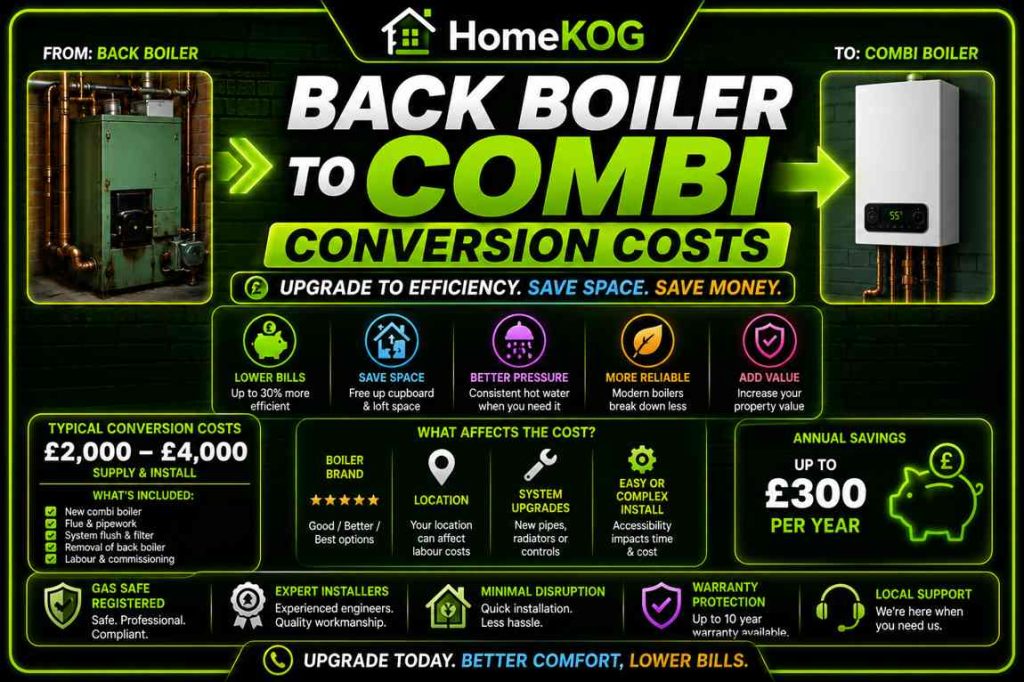
Emergency boiler installation costs include the same elements as a standard installation — boiler unit, labour, flue materials, and any additional system work — plus a premium for prioritised scheduling and, where applicable, out-of-hours attendance. To ensure optimal performance and longevity of your system, it is essential to follow boiler maintenance best practices regularly. Regular inspections and timely servicing can prevent unexpected breakdowns and expensive repairs. Additionally, keeping up with manufacturer guidelines will help maintain efficiency and safety standards in your operation. In addition to adhering to boiler maintenance best practices, consider implementing boiler servicing maintenance tips that can help identify potential issues before they escalate. Regular cleaning and the replacement of worn parts can significantly improve efficiency and reduce the risk of breakdowns. Moreover, staying proactive with your boiler care can extend its operational lifespan, ensuring you get the most out of your investment.
| Cost Element | Standard Installation | Emergency Premium |
|---|---|---|
| Mid-range combi boiler (installed) | £1,800–£2,500 | £2,000–£3,000 |
| Premium combi boiler (installed) | £2,500–£3,500 | £2,800–£4,000 |
| Out-of-hours attendance surcharge | N/A | £50–£150 additional |
| Same-day priority scheduling | N/A | £50–£100 additional |
The factors that affect emergency installation cost are the same as standard installations — the boiler type and model selected, whether the boiler is being installed in the same location or relocated, whether a conversion between boiler types is involved, and regional labour rates. London and the South East attract higher rates than the national average on both standard and emergency installations.
Boiler cover plans that include emergency call-out cover the attendance fee and in many cases the parts and labour for qualifying repairs without additional charge. For homeowners with an aging boiler, a cover plan that includes emergency replacement contribution is worth reviewing before an emergency occurs — the most cost-effective time to arrange cover is before a breakdown rather than during one.
What to Do in a Gas Emergency
Signs of a Gas or Carbon Monoxide Leak
Natural gas is odourless in its pure form — an odorant called mercaptan is added specifically so that leaks can be detected. The characteristic smell of natural gas — resembling rotten eggs or sulphur — should be taken seriously regardless of how faint it is. Never assume a faint gas smell is normal or will clear on its own.
Carbon monoxide has no odour and cannot be detected by smell. It can only be reliably detected by a functioning carbon monoxide alarm. The symptoms of CO exposure — dizziness, headaches, nausea, shortness of breath, and in serious cases collapse or loss of consciousness — are frequently mistaken for flu symptoms, particularly when multiple household members experience them simultaneously. If symptoms improve immediately upon leaving the property and worsen when returning, carbon monoxide exposure is the most likely explanation and the property should not be re-entered until a Gas Safe engineer has confirmed it is safe.
Warning signs from the boiler that may indicate combustion problems include: a pilot light or burner flame that burns yellow or orange rather than blue; sooty or brown staining around the boiler, flue terminal, or any gas appliance; unusual or persistent smells from the boiler area; and pilot lights that frequently extinguish without obvious cause.
Immediate Actions in a Gas Emergency
Leave the property immediately. Do not stop to collect belongings or investigate further — exit quickly and leave doors open as you go to help ventilate the building. Once outside, contact emergency services.
Do not operate any switches before leaving — both entering and leaving the building. Do not turn lights on or off, press doorbells, use any electrical appliances, or use a mobile phone inside the building. Natural gas is highly flammable and any electrical spark, no matter how small, can potentially ignite accumulated gas.
Do not smoke and do not use any naked flame — matches, lighters, candles — inside or immediately adjacent to the building until the all-clear has been confirmed by the emergency services.
Call the National Gas Emergency Service on 0800 111 999 from outside the building. This line operates 24 hours a day, 365 days a year. Give your address clearly and follow the instructions provided by the operator. Do not re-enter the property until the emergency service has attended and confirmed it is safe to do so.
Seek medical attention if any household members have experienced symptoms of carbon monoxide exposure. Fresh air is an important immediate measure but is not sufficient treatment for significant CO exposure — emergency medical assessment is required to confirm the level of exposure and whether treatment such as high-flow oxygen is needed.
Carbon Monoxide Alarms
A carbon monoxide alarm is the only reliable detection method for CO leaks. Alarms should be installed in any room containing a gas appliance, and on every floor of the property for the most reliable coverage. CO alarms should be positioned at approximately head height — around 1.5 metres above floor level — and tested regularly in accordance with the manufacturer’s instructions. Most alarms have a rated lifespan of five to seven years and should be replaced before this period expires.
A CO alarm that triggers does not necessarily mean current danger — it may indicate a historical event that has since cleared — but the property should be vacated, ventilated, and checked by a Gas Safe engineer before re-occupation regardless.
Can I Install a New Boiler Myself?
No, under any circumstances. Gas boiler installation involves working on gas pipework and connections, which is illegal without Gas Safe registration under the Gas Safety (Installation and Use) Regulations 1998. An unqualified installation voids the boiler’s manufacturer warranty immediately, invalidates any home insurance coverage for heating-related damage or injury, and — most seriously — creates an unverified gas installation that poses genuine risks to the occupants and neighbouring properties.
The cost of professional Gas Safe installation is the only legal and safe route for any boiler installation or replacement in the UK. The Gas Safe Register can be searched at gassaferegister.co.uk to verify an engineer’s registration, and the verification should always be completed before work begins. Hiring local gas safe heating engineers ensures that your boiler is installed according to the highest safety standards. These professionals are trained to work within the regulations set by the industry, giving you peace of mind. Whether you need installation or maintenance, their expertise is invaluable for keeping your home safe and warm.
Planning Ahead: Why Summer Installation Makes Sense
The most effective way to manage boiler emergency risk is to plan the replacement of an aging boiler before it fails — rather than waiting for a breakdown to force the decision. A boiler that is over 10 years old and has been developing faults has a meaningfully higher probability of complete failure in the coldest months than in summer, when the heating demand is absent and the risk of a cold-related health emergency is lower.
Summer installation carries several advantages over a winter emergency replacement. Engineer availability is better and waiting times are shorter in July to September than during the heating season. If complications arise during installation, the absence of heating for a day or two is a minor inconvenience rather than an emergency. Summer pricing may be marginally lower than peak season rates. And the new boiler is installed, commissioned, and tested before it is required for continuous winter operation — providing confidence that it will perform reliably when most needed.
FAQ
Can I get an emergency boiler installed the same day?
Yes in many cases — particularly for contacts made early in the morning with a reputable nationwide installer. Same-day installation depends on engineer availability, the time of day the request is made, and whether the required boiler model is in stock. Next-day installation is the more consistently achievable guarantee across most areas of the UK.
What should I do if my boiler has broken down overnight?
If the breakdown does not involve a suspected gas or carbon monoxide leak, keep the property warm using electric heaters or extra clothing and contact a boiler installation company as early as possible on the following morning to arrange an emergency installation. Many companies operate 24-hour contact lines and can arrange morning attendance. If vulnerable occupants — elderly, very young, or those with health conditions — are present, the urgency is greater and a 24-hour emergency line should be contacted immediately.
Does boiler cover include emergency installation?
Boiler cover plans vary significantly in what they include. Some plans provide emergency call-out coverage and cover the cost of parts and labour for qualifying repairs, with a boiler replacement contribution if the boiler cannot be economically repaired. Plans that include emergency cover are most valuable for older boilers where the probability of a significant fault is higher. Check the specific terms of any cover plan regarding emergency attendance, what repairs are covered, and whether replacement contribution is included and at what level.
How do I know if my boiler needs emergency replacement rather than repair?
A boiler engineer attending on an emergency basis will assess whether repair is practical and cost-effective. The factors that typically point toward replacement rather than repair are: boiler age over 10 to 12 years; a fault involving an expensive component such as the heat exchanger or PCB where the repair cost approaches 50% or more of a new boiler’s installed price; a boiler with a history of repeated faults over recent years; and a boiler no longer covered by manufacturer’s warranty where future repair costs would be entirely at the homeowner’s expense.
Is emergency boiler installation more expensive?
Yes, typically by £200 to £500 over a standard scheduled installation, reflecting the priority scheduling, staff availability outside normal hours where applicable, and the operational cost to the installation company of maintaining emergency cover. This premium is considerably lower than the cost of extended alternative accommodation, water damage from a leak, or health complications from inadequate heating — reinforcing why emergency installation is genuinely the right decision when a boiler fails completely in cold weather.
Conclusion
Emergency boiler installation in the UK is an established and well-supported service — most reputable installation companies can achieve next-day replacement as a reliable commitment, with same-day installation available in many circumstances. The key actions are to contact a Gas Safe registered installer as quickly as possible, confirm the boiler model options and installation timeline before proceeding, and in the meantime keep the property warm using any available supplementary heating. Choosing from a range of boiler installation experts in Leeds ensures that you find professionals who are both qualified and experienced. They can guide you through the selection of the best boiler for your specific needs and provide efficient installation services. Additionally, many of these experts offer ongoing support and maintenance options to keep your heating system running smoothly.
The most serious scenario — a suspected gas or carbon monoxide leak — requires evacuation and a call to the National Gas Emergency Service on 0800 111 999 before any boiler engineer contact. This takes absolute priority over everything else, including attempts to investigate the fault or collect belongings. A functioning carbon monoxide alarm is the single most important piece of safety equipment in any gas-heated home and should be present on every floor — the protection it provides against silent CO leaks is impossible to replicate through any other means.