Let’s be honest, we rarely pay attention to our boilers, unless they’re not working. As long as your house is warm and comfortable, you may think your boiler needs no more than a cursory glance when an engineer comes to do your annual boiler service. Understanding smart boiler technologies can significantly enhance the efficiency and reliability of your heating system. These advanced systems not only optimize energy consumption but also provide real-time monitoring and diagnostics to help you stay ahead of potential issues. By embracing innovations in boiler technology, you can ensure a warm and comfortable home while potentially reducing your energy bills. One of the best practices for maintaining your heating system is to follow a boiler maintenance checklist for homeowners. This comprehensive checklist can help you keep track of necessary tasks such as inspecting the pressure gauge, checking for leaks, and ensuring proper ventilation. By adhering to these guidelines, you can extend the lifespan of your boiler and enhance its overall performance.
However, a little knowledge about your boiler and the kinds of boilers available to you can go a long way. If you ever find yourself needing to install a new central heating system or replace your boiler, then knowing your combi boiler from a system boiler can be really helpful.
You don’t even have to be making major changes to your home and existing boiler to find this information useful. If you want to make sure that you’re getting value for money or reduce your energy bill, then knowing how your boiler works can be really handy. Maybe you just want to have a greener home and make sure that your home is being heated as efficiently as possible. In which case, learning about your boiler can help you reduce your carbon footprint and keep more of your money in your wallet. boiler efficiency testing procedures can provide you with valuable insights on how to maintain optimal performance. By understanding these procedures, you can identify potential issues before they escalate, ensuring that your boiler operates at peak efficiency. This proactive approach not only saves you money in the long run but also contributes to a more sustainable environment.
In this article, we will take a close look at the combi boiler. We’ll run you through the different types of combi boiler, how they work, whether it’s the right central heating boiler for you, the costs involved as well as the pros and cons of having a combi boiler as part of your heating system. Let’s dive right in… To choose the right option, it’s crucial to know how to identify your boiler type. This will help you understand the specific requirements and maintenance needs of your heating system. Additionally, recognizing your boiler type can aid in making informed decisions when it comes to repairs or upgrades.
What is a combi boiler?
A combi boiler, like the name suggests, is actually a combination boiler. It is a condensing boiler, different to heat-only and system boilers, which sit under the same umbrella. understanding combi boiler functionality is essential for homeowners considering energy-efficient heating solutions. These systems provide both heating and hot water on demand, making them a popular choice in many UK households. Additionally, they can save space since there’s no need for separate water tanks or cylinders. understanding condensing boiler efficiency is crucial as it directly impacts energy consumption and cost savings. By maximizing the efficiency of these systems, homeowners can reduce their carbon footprint while enjoying optimal performance. Regular maintenance and proper installation play significant roles in achieving the best efficiency ratings for condensing boilers.
A combi boiler combines hot water alongside central heating all in one neat little boiler-shaped package. They are one of the most common boilers in the UK, partly because they are so efficient and can be squeezed into a relatively small space.
What is the difference between a combi boiler and other types of boilers?
Even though combi boilers are massively popular, they are by no means the only kind of boiler out there. Here’s a quick rundown of three types of boilers you’ll likely come into contact with within the UK, their key features and differences: If you’re considering a combi boiler for your needs, it’s essential to look for the best combi boiler recommendations for homeowners to ensure efficiency and reliability. Various factors such as energy efficiency ratings, warranty options, and user reviews can greatly influence your decision. A well-chosen combi boiler can not only save you money on energy bills but also provide hot water on demand for your home. When selecting a system, it’s important to understand the boiler plus requirements in the UK to make an informed choice. Compliance with these regulations can ensure your heating system operates efficiently and meets safety standards. Additionally, seeking guidance from professionals can help you navigate the various options tailored to your specific needs.
Combi boiler
Small in size and energy-efficient, combi boilers are a popular choice of boiler in the UK.
There are different types of combi boiler including gas combi boilers (which are the most common), oil combi boilers and LPG (Liquified Petroleum Gas) combi boilers. The type of combi boiler you need will depend on your home, whether you’re hooked up to the gas network, or get your fuel from an oil tanker. If you’re not connected to gas and find oil too expensive, then another alternative is an electric combi boiler.
One of the key features of the combi boiler is that you have hot water literally on tap. This means that there’s no need for a hot water storage system or a cold water storage tank, freeing up space in your house.
If you enjoy a powerful shower, then the combi boiler wins more bonus points, as the hot water is delivered at mains pressure. As a rule, there’s less pipework to worry about with combi boilers, (with no frozen pipes to deal with in the loft) and you don’t have to worry about noisy pumps heating hot water around the clock.
System boiler
If you’re short on loft space, then a system boiler may work for you, as they don’t need a tank in the loft since they take their water from the mains. There is, however, a cylinder that stores hot water.
If you have more than one bathroom or use a lot of hot water, then a system boiler is especially handy as the hot water stored can provide a decent supply of hot water to a large number of taps. However, this can reduce the energy efficiency of your heating system, due to heat loss from the stored hot water.
System boilers also easy to install, as the major heating and hot water components are built into the boiler. For those who are keen on making their home more green, then it’s handy to know that these boilers are compatible with solar panels. The benefits of green boiler systems extend beyond compatibility with renewable energy sources. They often lead to lower energy bills and reduced carbon footprints, making them an excellent choice for environmentally conscious homeowners. Additionally, many of these systems qualify for government incentives, further enhancing their appeal.
A couple of drawbacks for this type of boiler include the fact that, even though there’s no loft storage tank, the system boiler still takes up more space than a combi boiler. Also, the hot water supply isn’t instant, unlike the combi boiler.
Regular boiler
Also known as a conventional boiler, regular boilers are the more bulky boiler on the market, as they require a cold storage tank in the loft which feeds the hot water cylinder. They also require a hot water storage cylinder. open vent boiler advantages and disadvantages include the ability to provide a constant supply of hot water and the simplicity of installation. However, these systems can also be less efficient compared to more modern alternatives, leading to higher energy costs. Furthermore, the reliance on a separate cold water tank can take up valuable space in homes with limited storage.
Because of the amount of loft space needed, as well as the complex pipework, you’ll usually find these kinds of boilers in older properties with plenty of room in the attic.
Because of this, and the fact that they’re less efficient than combi boilers and they don’t provide hot water on-tap, they may not be the right boiler for some. However, if you have an old house with a traditional heating system, then it may be simpler to install a regular boiler if you’re considering a refurb. That said, they can be expensive to install, so check your budget.
How does a combi boiler work?
This will vary a little on the type of combi boiler you have, but essentially a combi boiler works by giving you a combination of (almost) instant heat and hot water for your home.
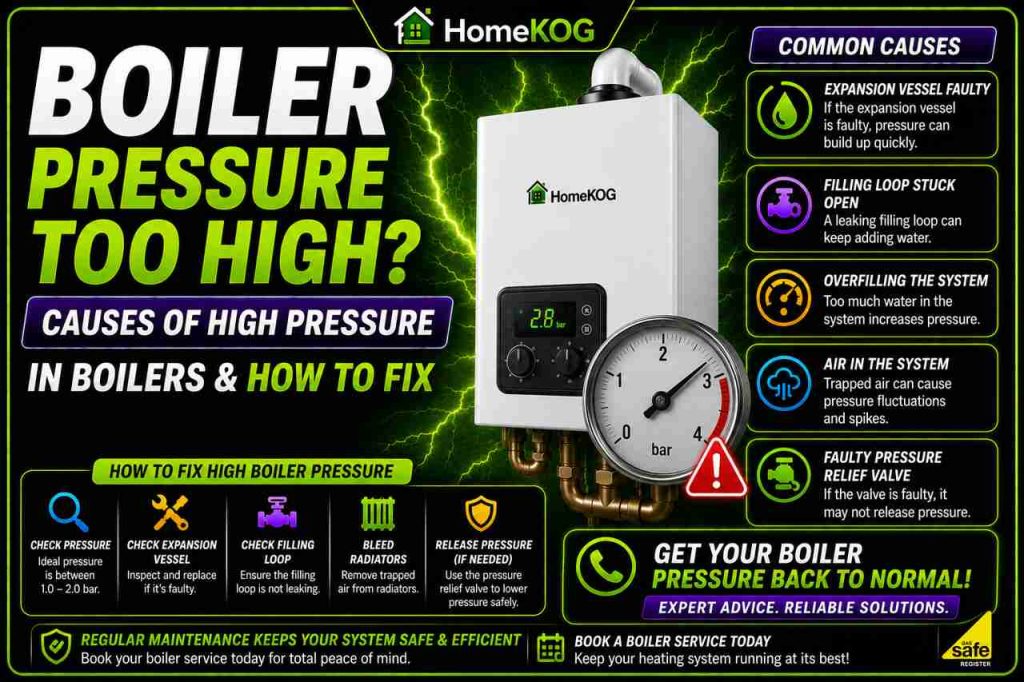
When you turn on a tap for hot water, a signal tells the boiler to burn fuel to heat the water. The heat exchanger heats up the water, which is taken from the mains, and you instantly get hot water. As the water heats, the function of a pressure release valve ensures that excess pressure does not build up within the system. This critical safety component allows steam or hot water to escape safely, preventing hazardous situations. In this way, the valve plays an essential role in maintaining the efficiency and safety of your heating system.
Some combi boilers will come with a pre-heat system. This allows the boiler to keep a small amount of hot water in reserve, which makes the delivery of hot water around the home even faster. However, this feature can reduce the energy efficiency of the boiler. the heat exchanger functions in boilers is crucial for maintaining optimal performance and energy efficiency. By transferring heat from the combustion process to the water, these systems ensure that hot water is available instantly when needed. Regular maintenance of the heat exchanger is essential to prevent scaling and fouling, which can significantly impact the boiler’s effectiveness. Understanding boiler condensate pipe functions explained can help homeowners prevent potential issues. These pipes play a vital role in safely expelling excess water created during the heating process, ensuring optimal performance of the boiler. A properly functioning condensate pipe is essential not only for efficiency but also for preventing water damage around the boiler area.
There are some small variations in how combi boilers work, depending on the type of combi boiler. For example, an electric combi boiler works slightly differently, in that they use electricity to heat the water by passing running water through an element. boiler modulation explained in detail is crucial for understanding how different boilers can optimize energy usage. By adjusting the heat output according to demand, these systems can maintain a more consistent and efficient temperature. This not only enhances comfort but also reduces energy bills over time.
How much does a new combi boiler cost?
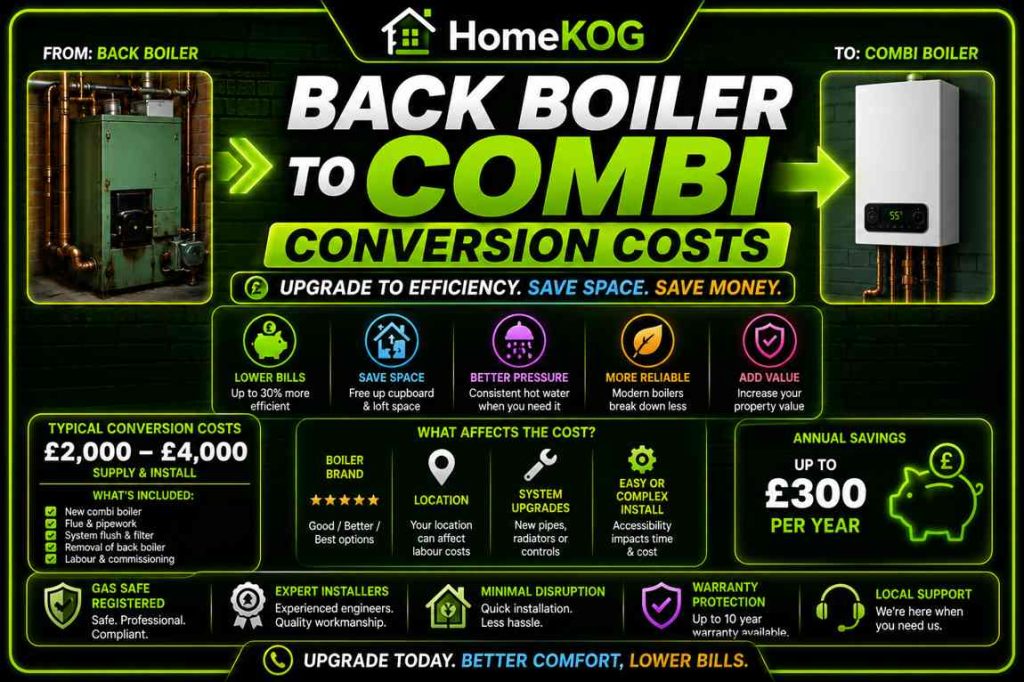
If you’re buying a new combi boiler, you can expect to spend at least £500, and we’ve found that the average cost is between £1,500 and £2,750. Prices will vary depending on the make and model you get, so it’s wise to shop around to make sure you’re getting the best deal for your money.
However, the cost of buying the boiler isn’t the only thing to think about. You’ll also need to consider any installation costs. If you need to move your boiler, add new pipework or change the type of boiler you use then this will all alter the amount you need to pay.
We’ve created a detailed guide on how much you can expect to spend when buying and installing a new boiler which you can access here. In addition to understanding costs, it’s essential to consider boiler efficiency tips for homeowners to ensure you’re making a wise investment. By focusing on key maintenance practices and selecting the right model, you can significantly reduce energy consumption and lower your utility bills. Regular checks and timely upgrades can lead to better performance and longevity of your heating system.
To save money you may be tempted to spend as little as possible when buying a new boiler. However, this is actually a false economy. It costs an average of £200 to fix your boiler each time it breaks down, so it really is worth spending a bit more to make sure you won’t be saddled with annoying repair bills later on. You’ll also want to make sure that you’re paying for a reliable, gas safe engineer to install a new boiler. When it comes to your family’s safety, there’s no point in cutting costs. boiler insurance coverage options explained can help protect you from unexpected expenses related to boiler breakdowns. With various plans available, you can choose the right level of coverage that fits your budget and ensures peace of mind. Investing in insurance not only provides financial security but also guarantees a timely response in case of emergencies.
How easy is it to install a combi boiler?
Combi boilers have a reputation for being easy to install. As they’re nice and compact, they fit well into smaller properties, and can even be squeezed into a kitchen cupboard.
Since there’s no hot water cylinder or cold water tank to worry about, installation is quick and relatively simple when compared to a regular boiler or a system boiler.
If you can choose when to have your new combi boiler installed, it’s generally recommended that you schedule it for the summer months. This is because there will be fewer people with broken down boilers, and you’ll be less reliant on your heating and hot water if something goes wrong.
If it’s a like-for-like swap (in other words, you’re replacing a combi boiler with another combi) then the process should be fairly quick and straightforward and take no more than a day. If you’re replacing a system boiler or a regular boiler with a combi boiler, then things get a little more complicated and will take longer. Remember to factor this into your time and budget when installing a new boiler.
A quick note, just because combi boilers are simple to install, it doesn’t mean that this should be your next DIY project! Always hire a Gas Safe registered engineer who will install your boiler safely and efficiently, and don’t forget to ask for any paperwork once the installation is finished.
What size combi boiler do I need?
First off, we’re not talking about physical size here. When we refer to the size of your boiler, we mean the output in kilowatts.
The size of combi boiler you need will depend on how much hot water you and your family need, as well as the number of bathrooms, bedrooms, and radiators in the property. If you need multiple, powerful showers to run at the same time or fill more baths quickly, then you’ll need a bigger combi boiler. If you live alone in a small flat, then you can opt for a smaller combi boiler.
Too small a boiler and your home won’t be warm enough. You may feel that bigger is better, but that’s not always the case when it comes to boilers. Having more kilowatts than you need is expensive, and a waste of energy.
The table below gives you a rough guide for the minimum kilowatt size boiler you’d need for a range of properties.
| Property size | 1 bath or shower | 2 baths or showers |
| 2 Bedroom house | 26kW | 29kW |
| 3 Bedroom house | 29kW | 35kW |
| 4 Bedroom house | 29kW | 35kW |
| 5 bedroom house | 35kW | 35kW |
If you’d like to delve deeper into what size boiler is right for you and your family’s needs, you can read more in our article, Boiler size calculator – What size kilowatt (kW) boiler do I need for my home?
Still confused? We have a handy calculator that tells you what size boiler you need for your home.
How long does a combi boiler last?
Most combi boilers will last at least 15 years. To make sure that you get the most out of your combi boiler’s life span, it’s a good idea to get it serviced regularly, at least once a year. Having a regular service will stop any small problems from developing into bigger issues that could cause your boiler to break down.
If your boiler gets heavily used, then it will probably need more attention and not last as long. If you find that your combi boiler breaks down regularly, isn’t as efficient as it used to be, is the source of some dodgy sounds and smells, or you find your energy bills are going up, then it may be time to replace it.
The length of your combi boiler’s lifespan will also vary a little depending on the make and model, so it’s a good idea to check with your manufacturer how long you can expect it to last.
Is a combi boiler right for me?
If you have a small home with limited room in the loft or have recently converted your loft into living space, then getting a combi boiler may be the right choice for you. This is because a combi boiler is smaller and more compact than other boilers on the market like a system boiler and a regular boiler. With no hot water storage system or a cold water storage tank to consider, your combi boiler can sit unobtrusively in the kitchen, or snugly in the airing cupboard.
For those who want to reduce their carbon footprint, replacing their old boiler with a combi boiler can help as they are particularly energy-efficient. Most new gas condensing combi boilers have an efficiency rating of up to 98%, which is much more efficient than many conventional boilers on the market.
Better energy efficiency can also lead to reduced heating bills, so a combi boiler is a good choice for some families looking to reduce their heating bills. Moreover, investing in energyefficient boilers for homeowners not only contributes to cost savings but also helps in reducing one’s carbon footprint. These boilers utilize advanced technology to optimize energy use, making them an environmentally friendly option. Families can enjoy the warmth of their homes while also being mindful of their impact on the planet.
However, for those with larger, older properties and existing traditional central heating systems, and lots of bathrooms, a combi boiler may not be a practical choice.
Where can I get a combi boiler?
There are plenty of brands which supply combi boilers. These include:
- Alpha
- Baxi
- Glow-Worm
- Intergas
- Potterton
- Viessman
- Worcester Bosch
You can buy a combi boiler and get expert advice from a range of outlets and sites, including here at Home Kog, where we offer fixed and fair prices, easily accessible online.
The pros and cons of a combi boiler
If you’re considering whether or not to take the plunge and buy a combi boiler, it’s helpful to weigh up the pros and cons.
Pros
Size. The compact nature of the combi boiler means that it can fit into small houses and flats easily.
Installation. Combi boilers are pretty easy to install, making the installation process easier and cheaper.
Energy-efficient. Combi boilers are much more efficient than traditional boilers, helping you to reduce your energy bills and carbon footprint.
Hot water on tap. No waiting to wash your hands or have a hot shower, combi boilers provide hot water almost instantaneously.
Cons
Multiple bathrooms. Combi boilers may struggle in homes where multiple bathrooms are used at once.
No hot water storage. If the combi boiler breaks down, there’s no backup hot water stored.
Summary
That’s it, all you need to know about combi boilers. Now you know how to find the right combi boiler for your needs, how much you should pay and even whether a combi boiler is the correct choice for you.
If you want a boiler quote in 20 seconds, just click here.