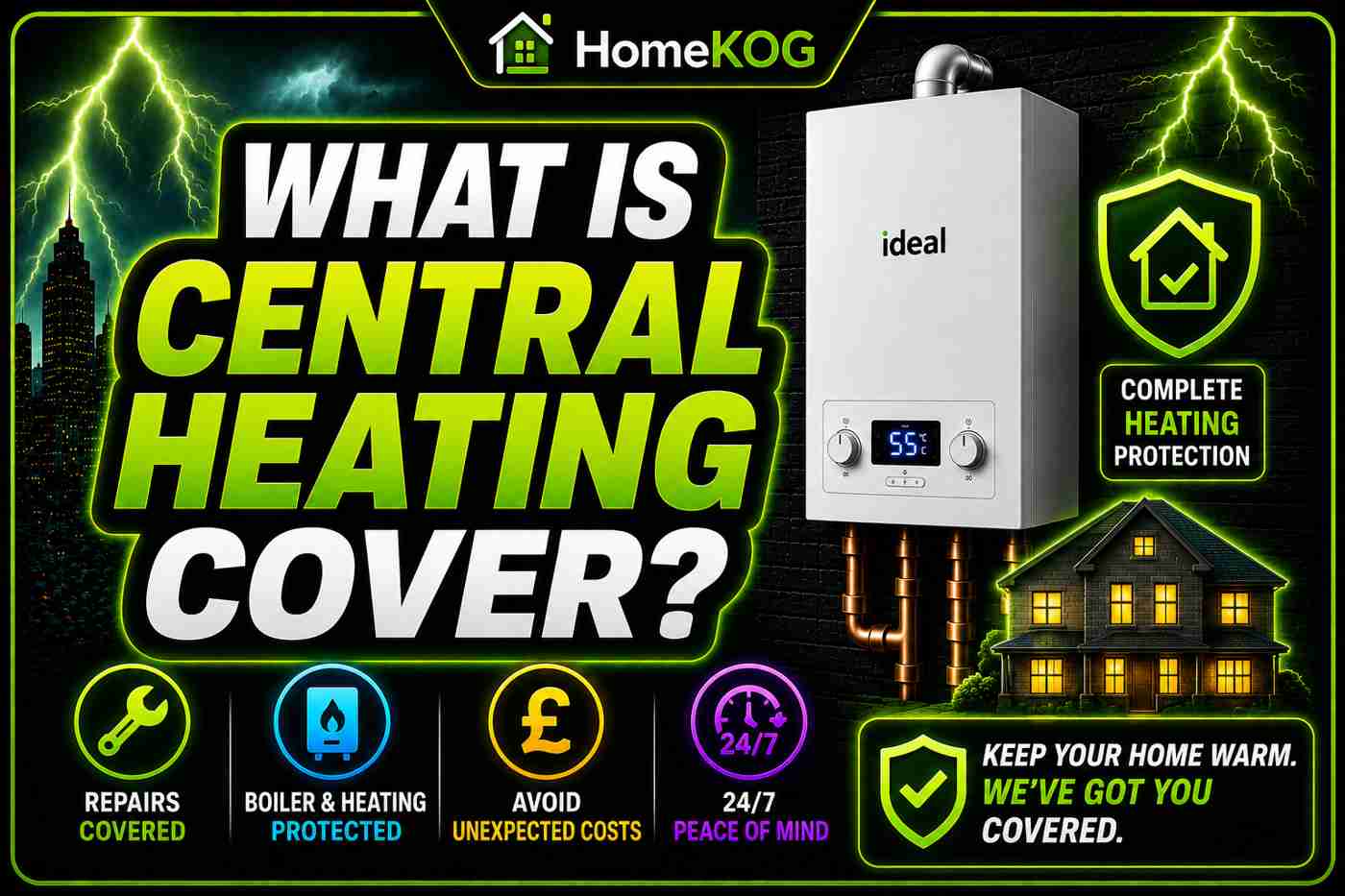

What is Central Heating Cover and Why Does It Matter?
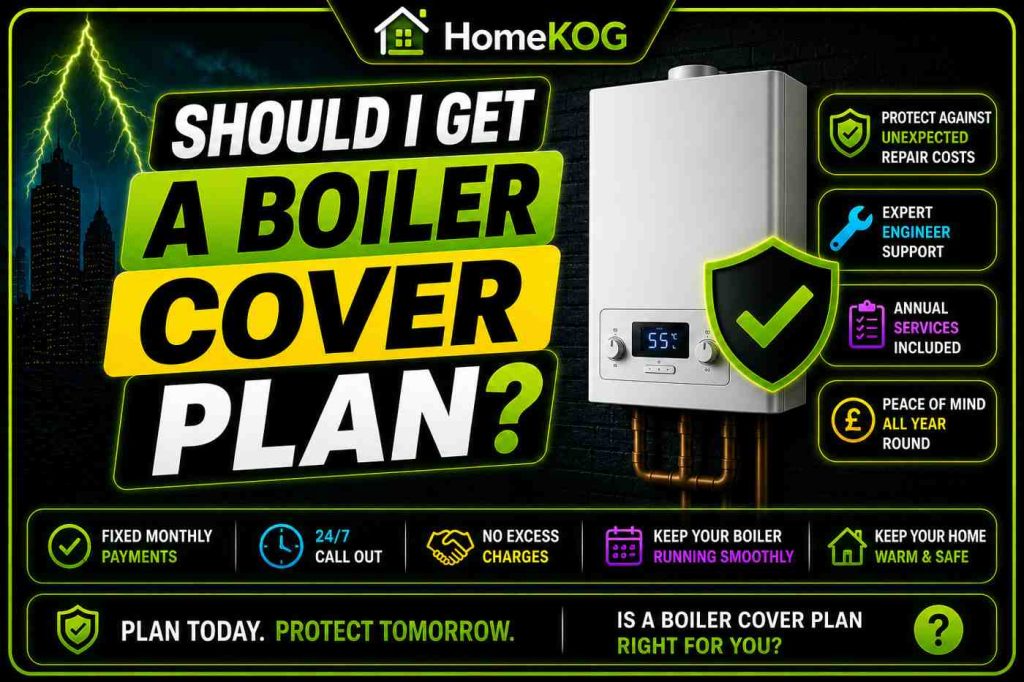
> Quick Answer: Central heating cover is a monthly or annual plan that covers the cost of repairs and call-outs when your boiler or central heating system breaks down. It typically covers the boiler, pipework, radiators, and controls — depending on the plan level chosen. It differs from a manufacturer’s warranty in that it is ongoing, renewable cover rather than a fixed-term guarantee tied to a specific product.
A central heating system that breaks down in the middle of winter is not just an inconvenience — it can leave a household without heating or hot water for days while an engineer is sourced and parts are ordered. For homeowners without any form of cover, the full cost of that repair lands without warning. Central heating cover exists to change that equation: a predictable monthly or annual cost in exchange for professional support and covered repair costs when something goes wrong.
Understanding what is and isn’t included, how it differs from boiler-only cover, and what to look for when comparing plans makes the difference between a policy that genuinely protects you and one that looks comprehensive until you need to use it.
Get central heating cover online here >
What Does Central Heating Cover Include?
Central heating cover is not a single standard product — the scope of what is included varies significantly between providers and between plan tiers from the same provider. Understanding what each level of cover actually protects is essential before making a comparison on price alone.
At the most basic level, a boiler-only plan covers the boiler unit — its components, controls, and the cost of parts and labour when it develops a fault. A broader central heating plan extends that protection to the pipework that runs throughout the property, the radiators, the system controls, and sometimes the thermostat and programmer. More comprehensive plans may also include the flue, the condensate pipework, and the filling loop. Understanding pressure relief valve mechanisms explained is essential for ensuring the safety and efficiency of your heating system. These valves play a critical role in managing excess pressure, preventing potential hazards that could arise from overheating. Familiarizing yourself with their operation can enhance your ability to maintain a well-functioning central heating plan.
Optional extras that some providers offer separately include power flushing, thermostat replacement, and cover for unvented hot water cylinders. These are worth considering if the existing policy does not include them and the property’s system is likely to need this support. When evaluating your heating options, it’s important to weigh the air source heat pump benefits against traditional systems. These modern solutions can lead to significant energy savings and lower carbon emissions, making them an environmentally friendly choice. Additionally, many providers now include comprehensive maintenance plans to ensure optimal performance throughout the year. When looking into the heat pump servicing price breakdown, it’s essential to understand the various components that contribute to the overall cost. This includes the labor involved, parts replacement, and any additional services that may be necessary to keep the system running efficiently. By having a clear picture of these expenses, homeowners can make informed decisions about their heating investments.
The table below sets out what is commonly included at each level of cover, though this varies between providers and should always be verified against the specific policy wording before purchase. understanding open therm technology can greatly enhance the efficiency of heating systems, leading to reduced energy consumption and lower utility bills. By leveraging this innovative approach, homeowners can achieve a more sustainable and comfortable living environment. It is important to explore the various options available and consult with experts to determine the best fit for individual needs. When considering what to store in an airing cupboard, it is advisable to prioritize items that can benefit from warmth and humidity, such as towels and bed linens. Additionally, storing infrequently used items like seasonal clothing and blankets can help maximize space and keep them in good condition. Always ensure that the cupboard is well-ventilated to avoid any potential dampness issues.
| Cover Level | Boiler | Pipework | Radiators | Controls | Annual Service |
|---|---|---|---|---|---|
| Boiler only | ✓ | ✗ | ✗ | ✗ | Sometimes |
| Boiler and controls | ✓ | ✗ | ✗ | ✓ | Sometimes |
| Central heating cover | ✓ | ✓ | ✓ | ✓ | Often included |
| Home emergency cover | ✓ | ✓ | ✓ | ✓ | Varies |
Always read the full policy terms and any exclusions before purchasing. Many plans exclude pre-existing faults, boilers above a certain age, or specific component types — and these exclusions are often where claims are declined.
How Central Heating Cover Works
Central heating cover operates on a similar basis to other home protection policies. Once a plan is in place, the homeowner pays a fixed monthly or annual premium. If the central heating system develops a fault or breaks down, they contact the provider’s helpline — most reputable providers offer 24-hour support — and the provider arranges for a Gas Safe registered engineer to attend the property and diagnose the problem.
The extent to which the provider covers the resulting repair cost depends on the plan terms. Most plans cover parts and labour up to a specified annual limit, and some operate with no repair cap for standard boiler faults. The engineer’s assessment determines whether the fault falls within the scope of the policy, and the provider will confirm coverage before authorising the repair.
Call-Out Fees and Excess Charges
Two cost terms that significantly affect the real-world value of any central heating cover plan are the call-out fee and the excess charge. A call-out fee is a fixed amount charged each time an engineer visits the property, regardless of the repair outcome. An excess charge is the portion of each repair cost that the policyholder pays before the provider covers the remainder.
Some plans include no call-out fee and no excess — the provider covers the full cost of the engineer’s visit and the repair. Others charge both, meaning that frequent callouts on a low-cost plan can result in total annual costs that exceed what an uninsured repair would have cost. Establishing these terms clearly before purchasing is one of the most important steps in comparing plans.
Annual Boiler Service
Many central heating cover plans include an annual boiler service as a standard benefit. This is a meaningful inclusion — a Gas Safe engineer carrying out a full inspection, combustion analysis, and Benchmark Checklist update typically costs between £80 and £120 as a standalone appointment. A plan that includes this service as standard is effectively offsetting a significant portion of its own cost from the outset, and the service also maintains the boiler’s manufacturer warranty throughout the cover period.
If the plan does not include an annual service, this cost needs to be factored into the overall comparison to assess whether the plan genuinely represents value against the alternatives.
The Difference Between Central Heating Cover and Boiler Cover
The distinction between central heating cover and boiler cover is important and frequently misunderstood at the point of purchase.
Boiler cover focuses exclusively on the boiler unit — its burner, heat exchanger, controls, and associated components. If the boiler develops a mechanical or electrical fault, boiler cover pays for the diagnosis and repair. It does not extend to the pipework running through the property, the radiators, or the system controls and thermostats.
Central heating cover encompasses the boiler and the wider system — the pipework, radiators, valves, and controls that distribute heat around the property. A homeowner whose radiator develops an internal fault, whose pipework corrodes and develops a leak, or whose system programmer fails would be covered under a central heating plan but not under boiler-only cover. Understanding how to identify your boiler type is crucial, as it influences the kind of coverage you may need. Different boiler types have specific maintenance requirements and potential issues, so knowing what you have can help you make better choices about your central heating plan. This knowledge also aids in effectively communicating any problems to your service provider, ensuring a faster resolution.
For most households, the cost difference between a boiler-only plan and a central heating plan is modest. Given that the pipework and radiators in an older property are at least as likely to develop a fault as the boiler itself, the additional scope of a central heating plan typically justifies the marginal additional premium.
Central Heating Cover vs a Manufacturer’s Warranty
A manufacturer’s warranty and a central heating cover plan serve different purposes and are not substitutes for each other.
A warranty covers manufacturing and material defects in the specific product it relates to — typically the boiler unit — for a fixed term after installation. It is reactive protection against the boiler failing due to a fault in how it was made, and it expires after the warranty period regardless of the boiler’s condition. It does not cover the wider heating system, and it does not provide the ongoing, renewable protection that a cover plan offers.
A central heating cover plan operates on an annual renewable basis and covers the heating system regardless of the boiler’s age or warranty status. For boilers beyond their warranty period — typically five to ten years after installation depending on the brand and model — a cover plan becomes the primary financial protection against unexpected repair costs. It also typically provides the access to rapid engineer call-outs and 24-hour support that a manufacturer’s warranty process does not.
The two can and should coexist during the warranty period, with the warranty handling boiler-specific manufacturing faults and the cover plan providing broader system protection and the included annual service that keeps the warranty valid.
How to Choose the Right Central Heating Cover
Selecting the right plan requires comparing several factors beyond the headline monthly cost. A plan that appears inexpensive may include significant excess charges, exclude older boilers, or cap the annual repair value at a level that leaves the homeowner exposed to major repair costs.
The age and condition of the boiler is the first consideration. Many plans impose an upper age limit — typically eight to ten years — on boilers they will cover, or charge a higher premium for older boilers. Before purchasing, confirm that the plan covers your boiler at its current age and that the provider will not decline a claim on the basis of the boiler’s age during the plan period.
The annual repair limit is the maximum the provider will pay toward repairs in any twelve-month period. A limit of £500 may sound reasonable until a heat exchanger replacement — which can cost that amount in parts alone — is required. Plans with higher or unlimited repair limits offer genuinely more comprehensive protection, and the premium difference often reflects this.
The inclusion or absence of an annual boiler service, the call-out fee structure, and the excess charge per claim are the remaining terms that most directly affect the plan’s real-world cost when it is used. Comparing these terms across at least two or three providers before purchasing gives a much clearer picture of which plan offers the best value for your specific circumstances.
What Is the Difference Between Central Heating Cover and Home Emergency Cover?
Central heating cover focuses on repairs and maintenance of your heating system, ensuring warmth during winter. In contrast, home emergency cover protects against a range of urgent household problems, including plumbing or electrical failures. Understanding home emergency cover benefits for homeowners can help safeguard your property from unexpected costs and inconveniences.
Types of Home Heating and Property Cover
Central heating cover sits within a broader landscape of home protection products. Understanding the adjacent categories helps clarify what central heating cover does and does not address.
Boiler breakdown cover focuses solely on the boiler unit and is the most limited form of protection in this category. Home emergency cover is a broader product that extends beyond the heating system to include plumbing and drainage, electrical faults, and other property emergencies — it is useful for homeowners who want a single policy covering multiple potential failure points. Plumbing and drainage cover addresses water supply pipework, soil pipes, and drainage systems independently of the heating system. In the context of home repairs and maintenance, it is essential to consider the role of tundish applications in modern industry. These devices facilitate the efficient transfer of water and waste, ensuring that plumbing systems operate smoothly and reduce the risk of backflow issues. Additionally, integrating advanced materials and technologies into tundish designs can significantly enhance their performance and longevity, making them a vital component in contemporary building practices.
Gas central heating cover is a specific variant that focuses on gas-fired systems, while home electrics cover addresses fixed wiring and electrical components. These products can be taken individually or combined — some providers offer bundled policies that cover multiple categories at a reduced combined premium. Understanding hybrid heating systems is essential for homeowners looking to improve energy efficiency and reduce costs. By combining traditional gas systems with modern electric solutions, these systems can adapt to varying energy demands and provide a more sustainable approach to heating. Moreover, they often come with advanced controls that allow users to optimize their heating schedule based on preferences and external conditions.
FAQ
What is central heating cover?
Central heating cover is a service plan or policy that covers the cost of repairs and engineer call-outs when a home’s central heating system develops a fault or breaks down. Depending on the plan level, it can cover the boiler, pipework, radiators, and controls. It operates on a monthly or annual premium basis and typically includes access to a 24-hour helpline and dispatch of a Gas Safe registered engineer when a fault is reported. Understanding the central heating system benefits explained can help homeowners make informed decisions about their coverage options. With various service plans available, it’s essential to assess the specific needs of your heating system to ensure comprehensive protection. Additionally, having adequate coverage can provide peace of mind, knowing that professional assistance is just a call away when you need it most.
What is the difference between boiler cover and central heating cover?
Boiler cover protects only the boiler unit — its internal components and controls — and does not extend to the pipework, radiators, or wider heating system controls. Central heating cover includes the boiler and the broader system, covering pipework, radiators, valves, and often the thermostat and programmer. For most homeowners, a central heating plan offers more complete protection at a modest premium increase over a boiler-only option, particularly in older properties where pipework and radiators are more likely to develop faults.
Does central heating cover include an annual boiler service?
Many central heating cover plans include an annual boiler service as a standard benefit, but this varies between providers and plan tiers. Where it is included, the service is carried out by a Gas Safe registered engineer, covers the full standard inspection and Benchmark Checklist update, and effectively offsets a significant portion of the plan’s annual cost. Always confirm whether the service is included in the plan you are comparing, as plans that exclude it need to be evaluated against the additional £80 to £120 annual service cost.
Do I need central heating cover if my boiler is still under warranty?
A manufacturer’s warranty covers the boiler unit against manufacturing defects during the warranty period, but it does not extend to the wider heating system — pipework, radiators, or controls. Central heating cover complements the warranty by protecting the rest of the system and providing rapid access to engineer call-outs without going through the manufacturer’s claim process. During the warranty period, a cover plan that includes an annual service also keeps the manufacturer’s warranty valid, which is a condition of most boiler warranties.
What is not covered by central heating cover?
Central heating cover plans typically exclude pre-existing faults that were present before the policy was taken out, damage caused by system sludge or limescale that was not identified and treated at the point the policy started, boilers above a specified age limit, and cosmetic damage. Exclusions also commonly include faults caused by incorrect installation, damage resulting from hard water scaling in areas without adequate water treatment, and certain component types such as unvented cylinders unless specifically included. Always read the full exclusions section of any policy before purchasing.
Can landlords get central heating cover for a rental property?
Yes. Most central heating cover providers offer plans for rental properties, and some offer specific landlord products that combine central heating cover with the annual CP12 gas safety inspection required by the Gas Safety (Installation and Use) Regulations 1998. A landlord cover plan can be a cost-effective way to meet both the legal gas safety obligation and the broader system maintenance requirement in a single arrangement. Check the policy terms carefully to confirm that the cover applies to tenanted properties and that the CP12 certificate is issued as part of the service.
What is home emergency cover and how does it differ from central heating cover?
Home emergency cover is a broader policy that extends protection beyond the central heating system to include plumbing and drainage faults, electrical failures, security emergencies such as a failed lock or broken window, and in some cases pest infestations. Central heating cover focuses specifically on the boiler and heating system components. Home emergency cover often includes central heating as one component of a wider product, making it suitable for homeowners who want a single policy addressing multiple potential emergencies rather than separate policies for each category.
How much does central heating cover cost?
Central heating cover plans in the UK typically start from around £8 to £15 per month for basic boiler-only cover and rise to £20 to £35 per month for comprehensive central heating plans that include an annual service, unlimited repairs, and no call-out fees. The actual cost depends on the boiler’s age, the property type, the region, and the specific terms of the plan — including excess charges and annual repair limits. Comparing at least two or three providers on equivalent terms rather than headline price alone gives the most accurate basis for decision-making.
Conclusion
Central heating cover provides homeowners with financial protection and practical support when the heating system fails — replacing the uncertainty of an unplanned repair bill with a predictable annual cost and access to a qualified engineer when it is needed most.
The right level of cover depends on the age of the boiler and system, the extent of protection required, and the terms of the plan on call-out fees, excess charges, and annual repair limits. A plan that includes an annual boiler service is often the most cost-effective starting point, as the service cost alone offsets a meaningful portion of the premium.
Reading the exclusions carefully and comparing at least three plans on equivalent terms — rather than headline price alone — is the most reliable way to identify the plan that genuinely meets your needs rather than one that only appears to do so until a claim is made.