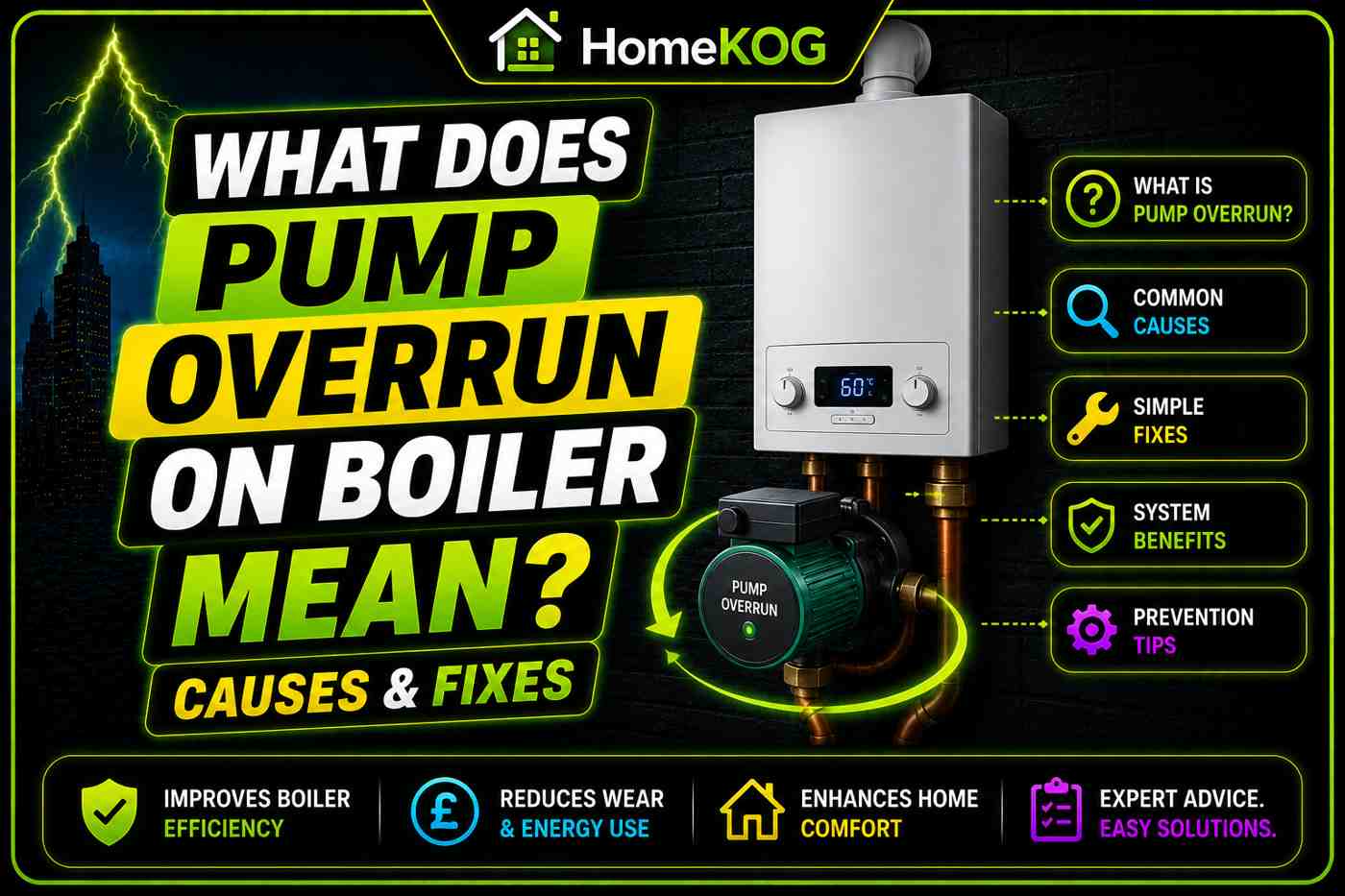

What Does Pump Overrun on a Boiler Mean? Causes & Fixes
What is Pump Overrun on a Boiler?
If you can hear a humming noise from your boiler even after the heating or hot water has been turned off, don’t worry — this is usually something called pump overrun, and it’s completely normal.
Pump overrun is a function where the boiler’s pump continues to run for a short time after the burner has stopped. This helps move any leftover heat around the system safely.
Instead of heat sitting inside the boiler (which could cause overheating), the pump circulates it through the pipes and radiators until it cools down.
Typically, this lasts around 5–10 minutes, depending on the boiler.
How Does Pump Overrun Work?
When your boiler stops heating, it doesn’t just shut everything down instantly.
Instead, the system:
- Keeps the pump running briefly
- Circulates hot water through the system
- Dissipates remaining heat safely
This prevents overheating and protects internal components like the heat exchanger.
Modern boilers control this using:
- A thermostat
- A timer
- Or smart electronic controls

Is Pump Overrun Normal?
Yes — in fact, it’s an essential feature on most modern boilers.
However, it becomes a problem if:
- The pump runs for hours
- The noise never stops
- Heating behaves inconsistently
In these cases, there may be a fault.
Causes of Pump Overrun Problems
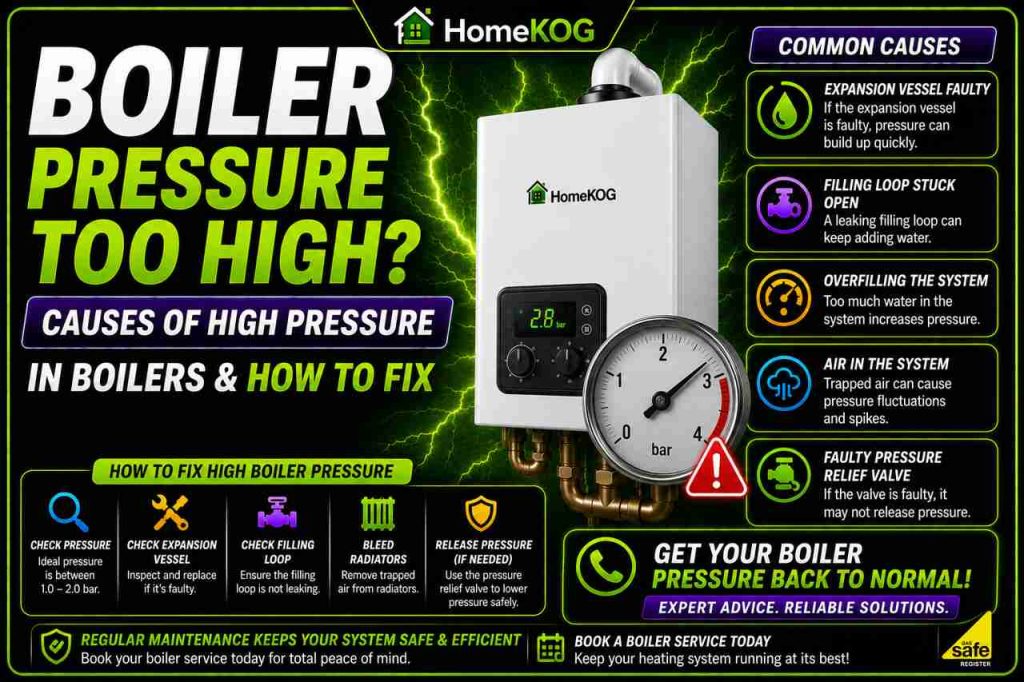
Faulty Pressure Relief Valve
If pressure isn’t released properly, the pump may continue running longer than needed.
Incorrect Pump Size
An oversized or mismatched pump can lead to longer run times.
Faulty Pressure Switch
If the switch doesn’t detect correct pressure levels, it may keep the pump active unnecessarily.
Damaged PCB (Circuit Board)
The PCB controls many boiler functions. If damaged, it can cause continuous pump operation.
Faulty Thermostat or Timer
If controls fail, the system may not know when to stop the pump.
How to Fix Pump Overrun Issues
Check Pressure Levels
Ensure your system pressure is within the recommended range (usually 1–1.5 bar).
Inspect Valves
Make sure pressure relief and check valves are working properly.
Service the Boiler
Annual servicing helps identify and fix early faults before they become expensive.
Replace Faulty Components
If parts like the PCB or thermostat are faulty, they may need replacing.
Call a Gas Safe Engineer
Always use a qualified professional for diagnosis and repair.
Why Pump Overrun is Important
Improves Energy Efficiency
It ensures no heat is wasted, helping reduce energy bills.
Prevents Overheating
Stops excess heat damaging internal components.
Reduces Boiler Cycling
Helps avoid constant on/off switching, which wears out parts faster.
Extends Boiler Lifespan
Less stress on components means fewer breakdowns.
Types of Pump Overrun Controls
Time Delay Controls
Run the pump for a fixed time after heating stops.
Temperature Controls
Operate until the system cools to a safe temperature.
Smart Controls
Adjust automatically based on demand and conditions.
Benefits of Pump Overrun
Lower energy consumption
More even heat distribution
Reduced wear and tear
Better comfort levels
Improved system reliability
Pump Overrun and Radiators
Pump overrun helps ensure heat reaches all radiators evenly.
Without it:
- Heat can remain trapped in the boiler
- Some rooms may stay cold
- Efficiency drops
With it:
- Heat is distributed properly
- Cold spots are reduced
- Comfort improves
Troubleshooting Pump Overrun Issues
Pump Overrun Not Working
This can lead to overheating or poor heat distribution.
Possible causes:
- Faulty wiring
- Broken sensors
- Control issues
Pump Running Constantly
This usually indicates:
- Faulty controls
- PCB issues
- Thermostat failure
Uneven Heating
May be caused by insufficient pump overrun or poor circulation.
Maintenance and Care
To keep your system working properly:
- Service your boiler annually
- Check pressure regularly
- Listen for unusual noises
- Monitor heating performance
A well-maintained boiler is more efficient and lasts longer.
How Does Boiler Short Cycling Relate to Pump Overrun and Its Causes?
Boiler short cycling is a common issue where the system frequently turns on and off, leading to inefficiency. One cause is inadequate pump overrun, where the pump doesn’t continue operating long enough after the boiler shuts down. For detailed insights, refer to the boiler short cycling solutions guide.
FAQs
How long should pump overrun last?
Usually between 5 and 10 minutes.
Can pump overrun be adjusted?
Yes, on many boilers via settings or controls.
Is pump overrun noisy?
A low humming sound is normal, but loud or constant noise isn’t.
Can it be added to older systems?
In some cases, yes — but it depends on compatibility.
Should I fix pump overrun issues myself?
No, always use a qualified Gas Safe engineer.
Final Thoughts
Pump overrun might seem like an odd or even annoying feature at first, but it actually plays a crucial role in protecting your boiler and improving efficiency. Understanding boiler pressure recommendations for homeowners is essential for maintaining optimal performance and safety. Regularly monitoring and adjusting the pressure can help prevent overheating and reduce the risk of system failures. Homeowners should consult with professionals to ensure their setup adheres to these guidelines for the best results. Additionally, knowing the correct boiler pressure guidelines can aid in troubleshooting any issues that may arise during system operation. Staying informed about these standards not only maximizes efficiency but also extends the lifespan of your boiler. By prioritizing these practices, homeowners can enjoy a comfortable environment without the worry of unexpected failures.
If it’s working correctly, it helps save energy, reduce wear on your system, and keep your home consistently warm.
However, if you notice it running too long or behaving unusually, it’s worth getting it checked — catching small issues early can prevent much bigger and more expensive problems later on.