

What Is a Pressure Relief Valve in a Boiler?
Quick Answer
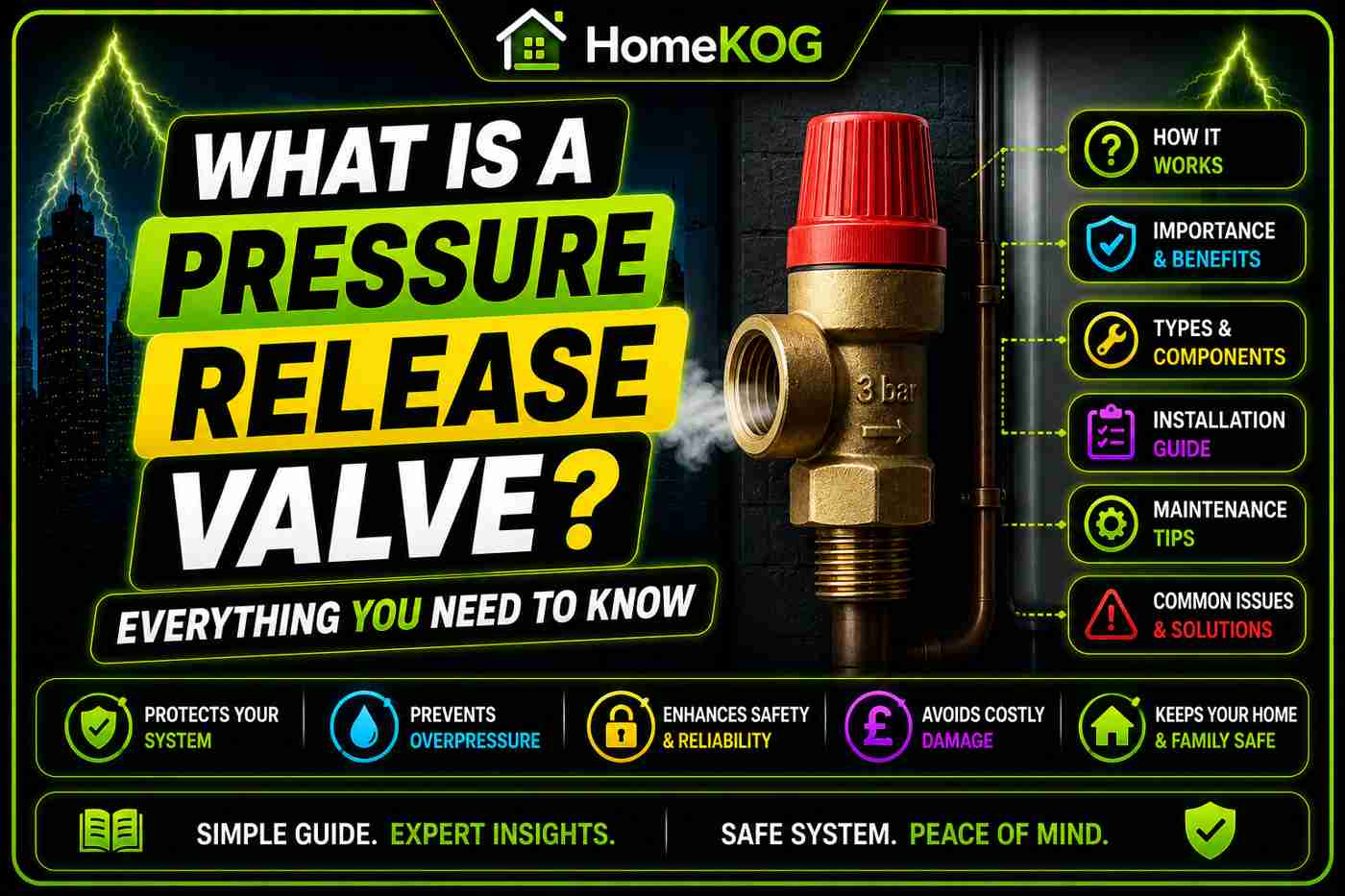
A pressure relief valve (PRV) is a safety device in a boiler that releases excess pressure when it gets too high. It automatically opens to prevent damage or failure, then closes once pressure returns to safe levels, protecting your heating system from leaks, faults, or dangerous pressure build-up. hydrogen ready boiler benefits overview highlights the advantages of utilizing hydrogen as a cleaner alternative for heating. By transitioning to hydrogen ready systems, homeowners can significantly reduce their carbon footprint while enjoying the same reliable heating performance. Furthermore, these boilers are designed to be compatible with future energy systems, ensuring longevity and sustainability in residential heating solutions.
If you own a boiler, understanding key safety components like the pressure relief valve can help you avoid costly repairs and spot issues early. It’s a small part, but it plays a critical role in keeping your heating system safe and working properly. Regularly scheduled annual boiler maintenance tasks are essential for ensuring optimal performance and longevity of your system. Neglecting these tasks can lead to inefficiencies and increased energy costs. By committing to this routine, you not only enhance your boiler’s reliability but also promote a safer home environment. Understanding combi boiler operation explained is crucial for homeowners who wish to maintain their heating systems effectively. By familiarizing yourself with how your combi boiler operates, you can better recognize any irregularities that may arise. This knowledge empowers you to take timely action, preventing small issues from escalating into major problems.
Pressure Relief Valve Entity Relationships
-
Pressure relief valve → protects → boiler system from excess pressure
-
Boiler system → generates → heated water under pressure
-
Spring mechanism → controls → valve opening threshold
-
Expansion vessel → stabilises → system pressure levels
-
Pipe outlet → directs → discharged water safely away
-
High pressure → triggers → valve activation
-
Valve seal → closes → once safe pressure is restored
-
Central heating system → relies on → controlled pressure
-
Faulty valve → causes → leaks or pressure issues
-
Regular servicing → maintains → valve functionality
-
Domestic boilers → include → built-in safety valves
-
Pressure gauge → indicates → system pressure levels

What Is a Pressure Relief Valve?
A pressure relief valve is a built-in safety component found in modern boilers. Its job is to release excess pressure from the system when levels become too high. understanding how a condensing boiler works is essential for maintaining optimal performance and efficiency. These boilers use a heat exchanger to extract more heat from the combustion process, which results in lower energy consumption and reduced emissions. Proper maintenance, including regular checks of the pressure relief valve, ensures that the system operates safely and effectively. In addition, homeowners are increasingly turning to environmentally friendly heating solutions to reduce their carbon footprint. These options not only provide efficient energy use but also contribute to a sustainable future. By exploring various alternatives, individuals can find systems that align with both their budget and environmental goals.
Without it, pressure could build up inside the boiler, leading to leaks, breakdowns, or serious damage. Understanding how a boiler plus regulations in the UK influence safety standards is essential for any homeowner. Compliance with these regulations ensures not only the efficient operation of the system but also the protection of individuals and property. Regular inspections and adherence to guidelines can significantly reduce the risk of hazards associated with faulty boilers. boiler efficiency considerations for homeowners should also include routine maintenance and proper usage of the heating system. By ensuring that the boiler is operating at peak efficiency, homeowners can save on energy costs while contributing to a more sustainable environment. Additionally, educating oneself about various boiler types and their respective efficiencies can aid in making informed decisions during upgrades or replacements.
H3: Why it’s important
Boilers operate under pressure to circulate hot water efficiently.
If that pressure rises beyond safe limits, the PRV activates automatically to prevent system failure.
How Does a Pressure Relief Valve Work?
Most domestic boilers use a spring-loaded pressure relief valve.
It reacts instantly when pressure exceeds a preset safe level.
H3: Key components
The valve consists of a spring, seal, spindle, and outlet pipe.
Each part works together to control when pressure is released.
H4: Step-by-step process
-
Pressure builds inside the boiler during operation.
-
The valve detects when pressure exceeds safe limits.
-
The internal spring compresses and lifts the seal.
-
Excess water is released through the outlet pipe.
-
The valve closes once pressure returns to normal.
This automatic process ensures your boiler stays within safe operating limits.
Types of Pressure Relief Valves
Different systems may use slightly different valve designs.
However, the core function remains the same.
H3: Common types
Spring-loaded valves are the most common in UK homes.
Pilot-operated valves are used in larger or high-pressure systems.
Which Boilers Use Pressure Relief Valves?
All modern boilers rely on pressure relief valves for safety.
They are a standard requirement across different systems.
H3: Boiler types that include PRVs
| Boiler Type | Uses PRV | Typical Application |
|---|---|---|
| Combi boiler | Yes | Most UK homes |
| System boiler | Yes | Homes with cylinders |
| Regular boiler | Yes | Older heating systems |
| Commercial boilers | Yes | Industrial settings |
Regardless of the type, a functioning PRV is essential.
Benefits of a Pressure Relief Valve
A pressure relief valve offers several important advantages for your heating system.
H3: Key benefits explained
It protects your boiler from internal damage caused by pressure build-up.
It reduces the risk of leaks and costly repairs.
It ensures safe operation of your heating system at all times.
It helps meet UK safety standards for boiler installations.
It provides peace of mind that your system can handle pressure changes.
Signs Your Pressure Relief Valve May Be Faulty
Like any component, a PRV can wear out or develop faults over time.
Recognising the signs early can prevent bigger problems.
H3: Warning signs to watch for
| Symptom | Possible Cause |
|---|---|
| Constant dripping | Valve not sealing properly |
| Low boiler pressure | Valve stuck open |
| High pressure readings | Valve not activating |
| Rust or corrosion | Age or poor maintenance |
| Noisy boiler | Pressure imbalance |
If you notice any of these issues, a qualified engineer should inspect the system.
Where Is the Pressure Relief Valve Located?
The pressure relief valve is typically found inside or just outside the boiler casing.
It connects to a discharge pipe that safely carries water away.
H3: Typical placement
The valve is usually positioned near the main heat exchanger or water outlet.
The pipe runs downward to prevent hot water causing damage or injury.
How to Maintain a Pressure Relief Valve
Regular maintenance helps ensure the valve works when needed.
Neglecting it can lead to system inefficiencies or safety risks.
H3: Maintenance checklist
-
Schedule an annual boiler service.
-
Check for visible leaks or corrosion.
-
Monitor pressure levels on the gauge.
-
Ensure discharge pipe is not blocked.
-
Have faults inspected by a Gas Safe engineer.
Routine checks can extend the life of your boiler system.
How Does a Pressure Release Valve Work in Relation to an Expansion Vessel?
A pressure release valve ensures safe operation of an expansion vessel by regulating internal pressure. When the pressure exceeds the set limit, the valve opens, allowing excess fluid to escape. This mechanism is crucial for understanding function of expansion vessels in systems, preventing damage and ensuring reliable performance.
FAQs
What does a pressure relief valve do in a boiler?
A pressure relief valve protects a boiler by releasing excess pressure when it rises above safe levels. It automatically opens to discharge water and prevent damage, then closes once pressure stabilises. This ensures the heating system operates safely and avoids leaks or mechanical failure. understanding open vent boiler systems is crucial for maintaining efficiency and safety. Boiling water is constantly in a cycle of heating and releasing, so familiarizing oneself with the operational dynamics helps in troubleshooting potential issues. Regular maintenance checks can significantly extend the lifespan of these systems, ensuring optimal performance year-round. understanding boiler commissioning processes is essential for a successful installation and to ensure that the system operates efficiently from the start. Proper commissioning involves thorough testing and adjustments to confirm that all components are functioning as intended. By following these processes, technicians can identify potential issues early, preventing costly repairs and ensuring long-term reliability.
How do I know if my pressure relief valve is faulty?
A faulty pressure relief valve may cause constant dripping, low pressure, or unusually high pressure readings. These symptoms indicate the valve may be stuck open or not activating properly. A professional inspection is recommended to confirm the issue and prevent further damage.
Is a pressure relief valve required in all boilers?
Yes, all modern boilers must have a pressure relief valve installed. It is a mandatory safety feature that prevents dangerous pressure build-up. Without it, the boiler could become unsafe and risk serious damage or system failure. understanding how a combi boiler works is essential for homeowners. These systems combine both heating and hot water functions, making them efficient and space-saving. Regular maintenance and awareness of the safety features, like the pressure relief valve, ensure they operate safely and effectively. When assessing your heating system, it’s crucial to identify the type of boiler installed, as different models may have varying requirements and features. This knowledge can help you make informed decisions about maintenance and upgrades. Additionally, familiarizing yourself with the specifications of your boiler will ensure you fully understand its safety mechanisms and efficiency ratings.
How often should a pressure relief valve be replaced?
A pressure relief valve typically lasts around 4 to 5 years, depending on usage and water quality. Regular servicing can extend its lifespan, but replacement may be needed sooner if faults or leaks occur. A qualified engineer should always carry out replacement work.
Can I fix a pressure relief valve myself?
No, you should not attempt to repair a pressure relief valve yourself. Boilers operate under high pressure and temperature, making them dangerous to handle without proper training. Always contact a Gas Safe registered engineer for repairs or replacements.
What causes a pressure relief valve to leak?
Leaks are often caused by worn seals, debris inside the valve, or excessive system pressure. Over time, corrosion can also affect the valve’s performance. Identifying the root cause is important to prevent ongoing issues and maintain safe operation.
What happens if a pressure relief valve fails?
If a pressure relief valve fails, pressure can build up inside the boiler, increasing the risk of leaks or component damage. In severe cases, the boiler may shut down or become unsafe. Immediate inspection and repair are essential to restore safe operation. When considering the financial implications of repairs, reviewing your boiler insurance policy details is crucial. This information can guide you on coverage options during emergencies. Ensuring you understand these details can provide peace of mind and help mitigate unexpected expenses. Understanding weather compensation systems is also important for maximizing energy efficiency in your home. These systems adjust the heating output based on external temperatures, potentially saving you money on energy bills. By implementing such technology, homeowners can achieve better climate control while reducing their environmental impact.
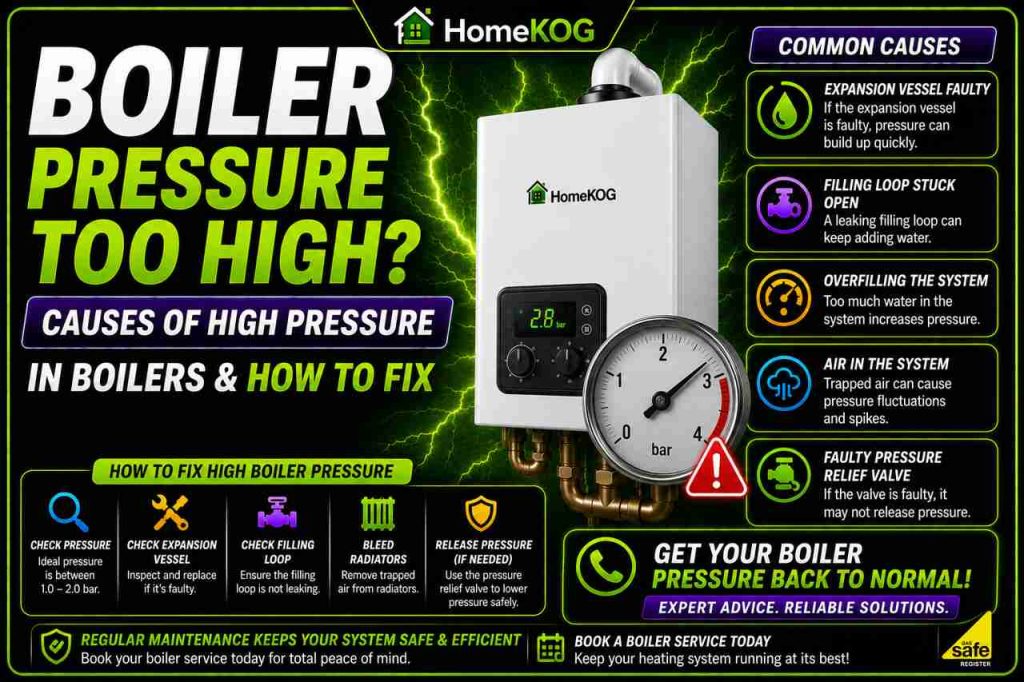
Is high boiler pressure dangerous?
Yes, high boiler pressure can be dangerous if not controlled. It can strain components, cause leaks, and reduce system efficiency. The pressure relief valve is designed to prevent this by releasing excess pressure before it reaches unsafe levels. In times of a boiler efficiency during energy crisis, maintaining optimal pressure becomes even more critical to ensure reliable operation. Failing to monitor and adjust setup can lead to catastrophic failures, particularly when demand for heating and energy rises sharply. Regular maintenance checks and upgrades to more efficient systems are necessary to mitigate risks associated with outdated equipment. boiler pressure recommendations for homeowners are essential to ensure the safe and efficient operation of heating systems. Homeowners should familiarize themselves with the ideal pressure range for their specific boiler model and routinely check their system to avoid potential hazards. By implementing these recommendations, they can enhance performance and prolong the lifespan of their equipment.
Conclusion
A pressure relief valve is one of the most important safety features in any boiler system.
It works quietly in the background, protecting your home from pressure-related damage and keeping everything running smoothly.
By understanding how it works and spotting early warning signs, you can avoid costly repairs and ensure your heating system stays safe and reliable in 2026. the heat exchanger function in a boiler plays a crucial role in transferring heat from the combustion process to the water or air being heated. Regular maintenance is essential to keep the heat exchanger operating efficiently and to prevent issues that could lead to system failure. Failing to address problems early can result in reduced performance and increased energy costs. understanding smart boiler technology can further enhance your system’s efficiency and longevity. By incorporating advanced features such as remote monitoring and automated diagnostics, homeowners can gain insights into their heating performance in real-time. Embracing these innovations not only improves comfort but also contributes to significant energy savings.