
Vaillant F22 Fault Code Meaning, Causes & How To Fix
Quick Answer
The Vaillant F22 fault code means your boiler has low water pressure and has shut down to protect the system. This is usually caused by leaks, recently bled radiators, or pressure loss over time. Repressurising the boiler can fix it temporarily, but ongoing pressure loss requires a professional inspection. Another common issue is indicated by the vaillant f27 fault code explained, and this typically signifies a problem with the ignition sequence or flue system. If the boiler fails to ignite, it can lead to no heat or hot water, which can be particularly inconvenient. Troubleshooting this fault often involves checking the gas supply, ensuring the flue is unobstructed, or calling in a certified technician for a more detailed assessment. If you’re experiencing additional issues, you may need to refer to the vaillant f24 fault code troubleshooting steps. It’s important to follow those steps carefully to identify the specific issue affecting your boiler. Keeping your system in optimal condition will help prevent future faults and ensure efficient operation. If you encounter issues like the Vaillant F23 fault code solutions, it’s essential to address them promptly to ensure your boiler operates efficiently. Regular maintenance and timely repairs can prevent more serious faults from emerging, keeping your heating system reliable throughout the year. Additionally, familiarizing yourself with common fault codes can help you troubleshoot minor issues before they escalate. In addition to the F22 code, the Vaillant F26 fault code explained typically indicates a fault with the boiler’s ignition or flame detection system. This may arise from issues such as a faulty ignition electrode or a problem with the gas supply. It is crucial to address these faults promptly to ensure safe and efficient operation of your heating system.
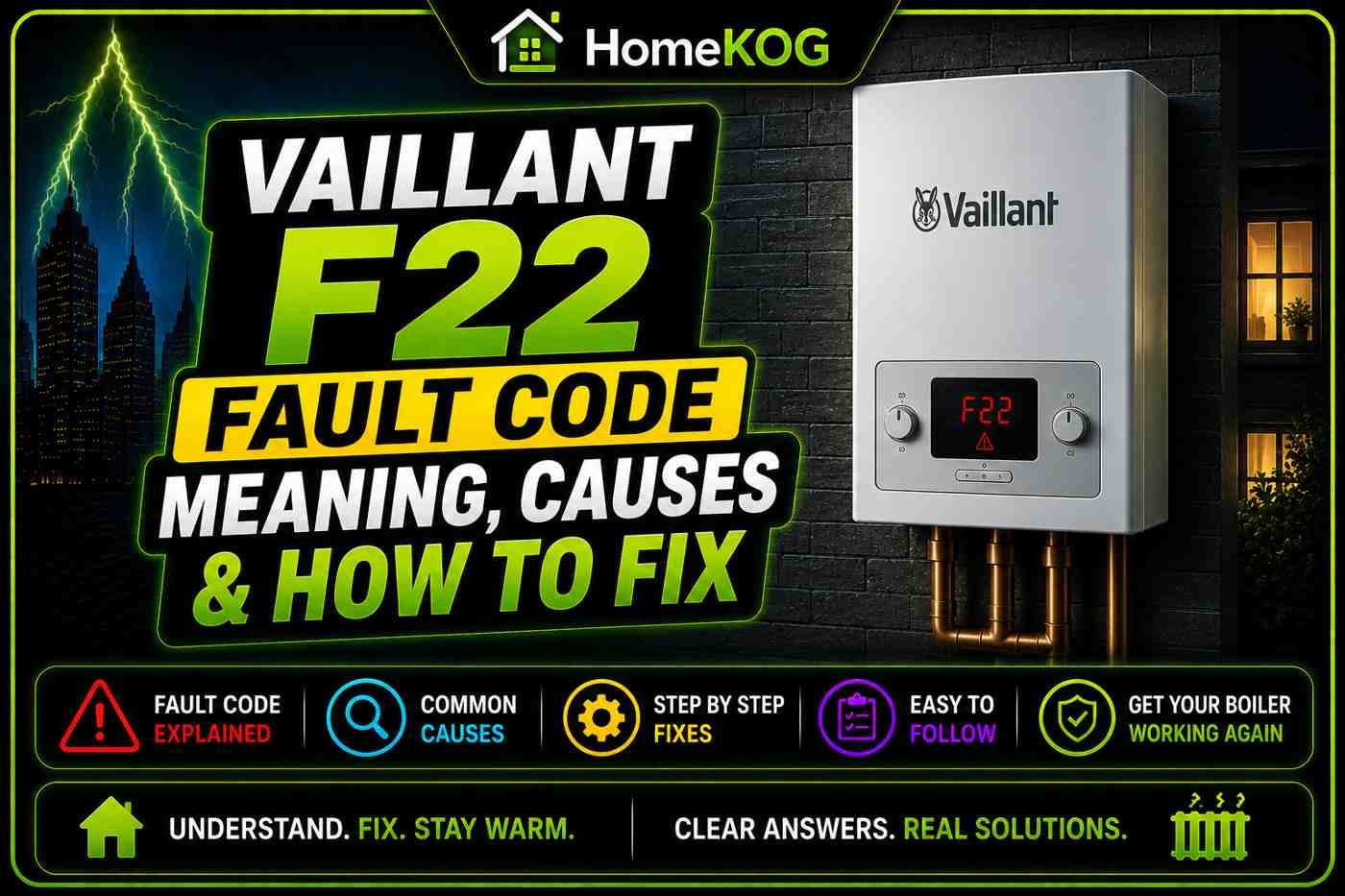
If your Vaillant boiler is showing the F22 fault code, it means the system pressure has dropped below safe operating levels. As a result, your heating and hot water will stop working until pressure is restored.
Vaillant F22 Fault Code Explained
The F22 fault code is one of the most common issues on Vaillant boilers.
It indicates “low water pressure” and triggers a safety shutdown to prevent damage to internal components.

What happens during this fault?
When pressure drops too low, the boiler cannot circulate water properly.
This causes the system to lock out, stopping both central heating and hot water production.
Key Boiler Fault Relationships (Semantic Triples)
- Vaillant F22 fault code → indicates → low water pressure
- Low water pressure → triggers → boiler lockout
- Boiler lockout → stops → heating and hot water
- Water leaks → cause → pressure loss
- Radiator bleeding → reduces → system pressure
- Faulty pressure sensor → misreads → pressure levels
- Filling loop → restores → system pressure
- Heating pump fault → affects → water circulation
- Pressure gauge → displays → system pressure level
- Repressurising → temporarily fixes → F22 fault
- Persistent pressure loss → indicates → underlying issue
- Annual servicing → prevents → pressure-related faults
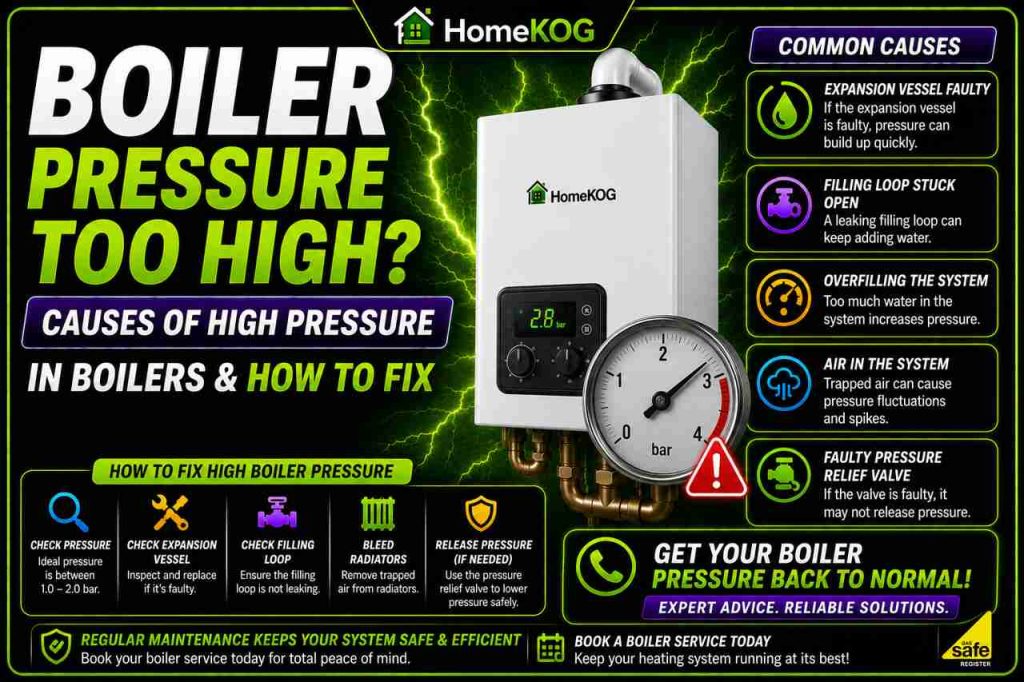
What Is the Correct Vaillant Boiler Pressure?
Most Vaillant boilers operate best at around 1.0 to 1.5 bar.
If the pressure drops below this range, the system may display the F22 fault and shut down.
Pressure guidelines:
- Below 1.0 bar → Too low (risk of lockout)
- 1.0–1.5 bar → Normal operating range
- Above 2.0 bar → Too high (risk of stress on system)
Maintaining the correct pressure is essential for safe and efficient operation.
What Causes Vaillant F22 Fault Code?
Low pressure can occur for several reasons, ranging from normal system behaviour to faults.
Gradual pressure loss
Over time, heating systems naturally lose small amounts of pressure.
This is usually topped up during routine maintenance.
Water leaks
Leaks in radiators, pipework, or the boiler itself are a common cause.
Even small leaks can lead to repeated pressure drops.
Recently bled radiators
Removing air from radiators reduces system pressure.
This often triggers the F22 fault shortly after bleeding.
Faulty components
Issues with the pressure sensor, pump, or internal seals can cause incorrect readings or pressure loss.
These faults require professional diagnosis.
How to Fix Vaillant F22 Fault Code
In many cases, this fault can be resolved by repressurising the system.
Step-by-step guide:
- Turn off the boiler and allow it to cool
- Locate the filling loop (usually beneath the boiler)
- Open the valves slowly to allow water into the system
- Watch the pressure gauge rise to around 1.5 bar
- Close the valves and reset the boiler
Do not overfill the system, as this can cause additional issues.
When to call an engineer
If pressure continues to drop after repressurising, you should contact a Gas Safe Register engineer.
Persistent pressure loss usually indicates a leak or internal fault.
Vaillant F22 Fault Code Costs (2026)
| Issue | Typical UK Cost | Repair or Replace? |
|---|---|---|
| Repressurising system | £0–£100 | Repair |
| Minor leak repair | £100–£300 | Repair |
| Pressure sensor replacement | £100–£250 | Repair |
| Pump repair | £200–£400 | Repair |
| Major internal leak | £400+ | Consider replacement |
| New boiler installation | £1,800–£3,500 | Replace if older system |
Older boilers with frequent pressure issues may be more economical to replace.
How to Prevent Vaillant F22 Fault Code
Preventative maintenance reduces the risk of pressure-related faults.
Key steps:
- Book annual servicing
- Check pressure regularly
- Inspect for visible leaks
- Bleed radiators carefully and top up pressure after
- Fix minor issues early
Regular checks help maintain consistent system pressure.
FAQs
What does Vaillant F22 fault code mean?
The Vaillant F22 fault code means the boiler has detected low water pressure and shut down for safety. Without sufficient pressure, the system cannot circulate water effectively, which prevents heating and hot water from working. The issue must be resolved by restoring pressure and addressing any underlying cause. To troubleshoot this problem, homeowners often look for F20 vaillant fault code solutions, which might indicate issues like a malfunctioning pressure sensor or a leak in the system. It’s essential to consult the manufacturer’s guidelines or a qualified technician to investigate these possibilities. Ensuring that regular maintenance is performed can also help prevent future occurrences of these fault codes.
Can I fix F22 fault myself?
Yes, you can often fix the F22 fault by repressurising your boiler using the filling loop. This restores the correct pressure level and allows the boiler to restart. However, if the pressure continues to drop, it indicates a deeper issue that requires professional repair.
Why does my Vaillant boiler keep losing pressure?
Repeated pressure loss is usually caused by leaks in the system, faulty components, or issues with internal seals. Small leaks may not be immediately visible but can still affect pressure over time. A Gas Safe engineer can perform a full inspection to identify the exact cause.
What pressure should my Vaillant boiler be at?
Your boiler should typically operate between 1.0 and 1.5 bar when cold. This range ensures proper water circulation and efficient heating. If pressure falls below this level, the boiler may shut down and display the F22 fault code.
Is F22 fault dangerous?
The F22 fault itself is a safety feature designed to protect your boiler. While it is not dangerous, the underlying cause—such as a leak—can lead to further issues if ignored. It is important to investigate and resolve the cause promptly.
How much does it cost to fix F22 fault?
Costs vary depending on the issue. Simple repressurising may be free, while repairs for leaks or faulty components can range from £100 to £400. More serious problems may justify replacing an older boiler. vaillant boiler pricing overview for homeowners can help inform your decisions about maintenance or replacement. Understanding the typical costs associated with different services ensures you stay within budget while keeping your home warm and safe. Additionally, having a clear grasp of what to expect can save you from unexpected financial strain in the future.
Do I need an engineer for F22 fault?
If repressurising solves the issue and the pressure remains stable, you may not need an engineer. However, ongoing pressure loss or visible leaks should always be checked by a Gas Safe registered engineer to ensure safe operation.
Will my boiler work after repressurising?
In most cases, yes. Once the pressure is restored to the correct level, the boiler should reset and resume normal operation. However, if the fault returns, it indicates an unresolved issue that needs further investigation.
Conclusion
The Vaillant F22 fault code is a clear indication that your boiler pressure is too low for safe operation. Another common issue you may encounter is the Vaillant F84 fault code explained, which often points to a problem with the boiler’s ignition sequence. Addressing this fault typically requires a thorough inspection of the electronic control boards and gas supply to ensure proper functionality. Always consider consulting a professional if you’re unsure about troubleshooting these error codes. Similarly, the F29 Vaillant fault code explained indicates that the boiler is unable to reach the desired temperature, often due to issues with the temperature sensor or flow meter. Identifying the root cause is crucial, as it can lead to inefficient heating or increased energy bills if not addressed promptly. Regular maintenance checks can help prevent these problems and extend the lifespan of your boiler.
While repressurising the system is often a quick fix, it is important to understand why the pressure dropped in the first place.
Persistent issues usually point to leaks or faulty components, which should be addressed by a qualified engineer.
By maintaining correct pressure and servicing your boiler regularly, you can avoid repeated faults and keep your heating system running efficiently. Understanding system boiler functioning and benefits can greatly enhance your home’s energy efficiency. With a well-maintained system boiler, you can enjoy consistent heating and lower energy bills. Additionally, these systems are often more compact and easier to install compared to traditional boilers, making them a popular choice for modern homes.