
Hot Water Tank Insulation: Step-by-Step DIY Guide, Costs & Benefits in 2026
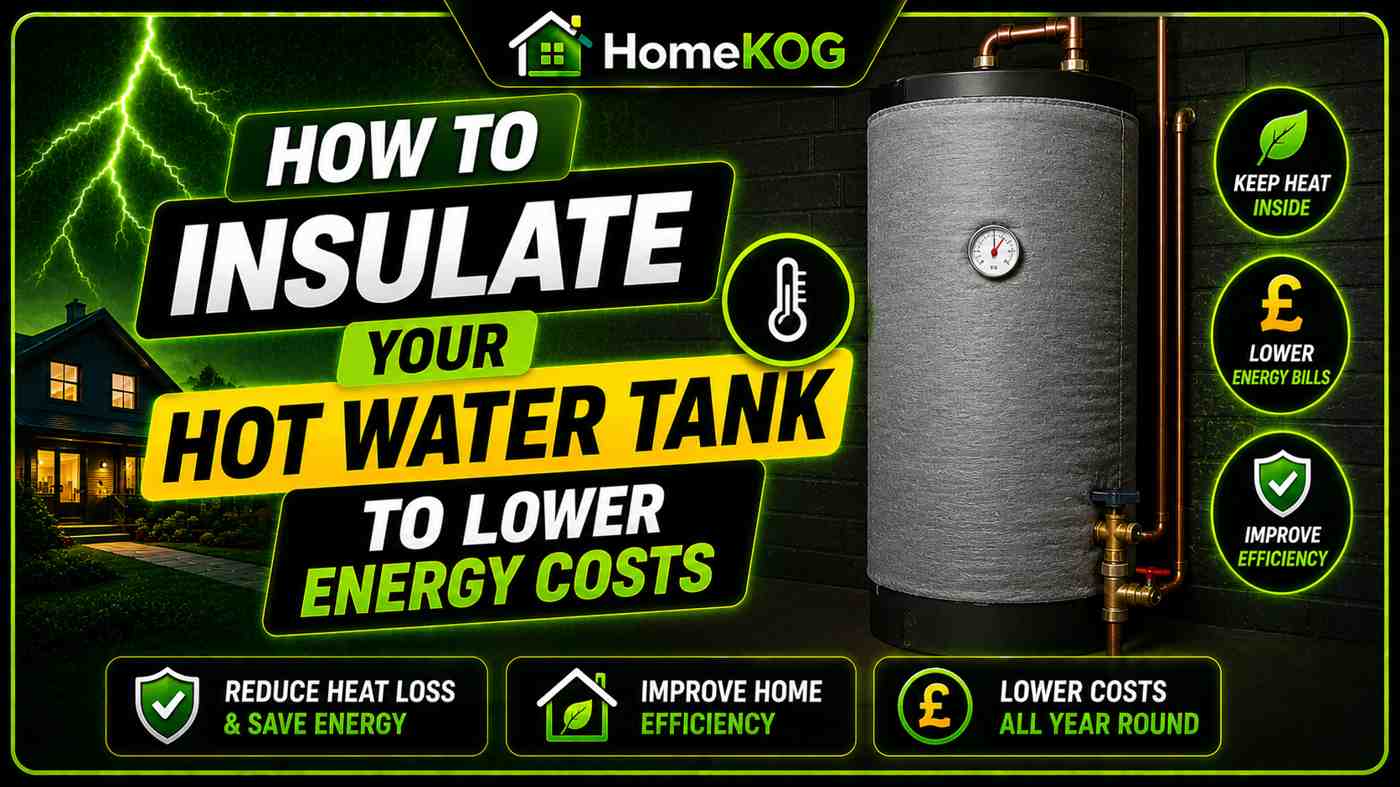
Quick Answer: Insulating a hot water tank prevents heat loss, reduces the frequency at which your boiler needs to reheat the water, and can save between £75 and £85 on annual energy bills. Most insulation work is a straightforward DIY job using a cylinder jacket costing as little as £15. Pipe insulation adds further savings and can be done on the same day.
Hot water tank insulation is one of the simplest and most cost-effective energy-saving measures available to UK homeowners in 2026. With energy bills remaining a significant household concern, reducing the heat your cylinder loses between heating cycles means your boiler has to work less hard — and that directly reduces what you spend on gas or electricity each month. When considering upgrades to maximize efficiency, it’s also important to examine pool heater efficiency ratings, as these can greatly influence your overall heating costs. Homeowners may be surprised to find that not all pool heaters operate at the same level of efficiency, making it essential to research and choose the right model for your needs. Investing in a high-rated heater can provide significant savings on energy bills while ensuring consistent water temperatures for a more enjoyable swimming experience.
This guide covers the benefits of insulating your hot water cylinder, a full step-by-step process, the materials involved, and what it realistically costs.

Key Facts: Hot Water Tank Insulation Relationships
- A hot water tank is a cylinder that stores water heated by the boiler and supplies it to taps and showers on demand, and is found in homes with system boilers or conventional boilers.
- Standby heat loss is the process by which heat escapes from an uninsulated or poorly insulated hot water cylinder into the surrounding air, forcing the boiler to reheat the water more frequently.
- A cylinder jacket is an insulating blanket wrapped around the outside of a hot water tank to reduce standby heat loss, and British Standards specify a minimum thickness of 75mm with 80mm considered optimal.
- Pipe insulation is foam tubing applied to the pipework connected to the hot water cylinder, with the first three feet from the tank being the most important section to cover for heat retention.
- A system boiler is a boiler type that heats water and stores it in a separate hot water cylinder, making cylinder insulation directly relevant to the efficiency of the heating system.
- A conventional boiler is a regular or heat-only boiler that also relies on a separate hot water cylinder, and older cylinders connected to conventional boilers are among those most likely to benefit from additional insulation.
- Hardened foam insulation is the internal insulation factory-fitted to most modern hot water cylinders, which reduces or eliminates the need for an external jacket on newer models.
- A British Standard tank jacket is the insulation blanket that meets the minimum 75mm thickness requirement for effective hot water cylinder insulation.
- Foam tubing is a pipe insulation material available from hardware stores that is cut to length and fitted around hot water pipework to reduce heat loss between the cylinder and the rest of the system.
- The Committee on Climate Change has identified UK households as responsible for around 40% of the country’s carbon emissions, making home insulation measures including hot water cylinder insulation a meaningful contribution to national emissions targets.
- A combi boiler does not use a separate hot water cylinder and therefore does not require hot water tank insulation, making it an alternative for homeowners who want to eliminate the cylinder entirely.
- Pipe insulation costs between £5 and £7 per metre and is a low-cost addition to a cylinder insulation project that provides further energy savings beyond the tank jacket alone.
Why Insulate Your Hot Water Tank?
Reducing Energy Bills
When a hot water cylinder is poorly insulated, heat escapes into the surrounding air continuously. The boiler then has to fire up repeatedly to bring the water back to temperature, consuming gas or electricity every time it does so. Proper insulation slows this heat loss significantly, reducing how often the boiler needs to operate and cutting the energy consumed in the process. Homeowners can explore various boiler finance options for homeowners to make these energy-efficient improvements more affordable. By investing in better insulation and a high-efficiency boiler, they can save on utility bills and enhance their home’s overall comfort. Many financing programs are designed specifically to support homeowners in making these essential upgrades.
Correctly insulating a hot water tank can save between £75 and £85 on annual energy bills. Adding foam pipe insulation to the pipework connected to the cylinder can reduce energy costs further still, making the combination of the two one of the best-value home improvements available for properties with a hot water cylinder.
Protecting Pipes from Freezing
In properties where pipes run through unheated spaces — a garage, loft, or external wall — there is a real risk of water inside the pipes freezing during cold weather. When water freezes it expands, generating pressure inside the pipe that can cause cracking or burst joints. Insulating both the cylinder and the connected pipework reduces this risk by maintaining a higher ambient temperature around the water and slowing the rate at which cold air can affect it.
Cutting Carbon Emissions
UK households are responsible for around 40% of the country’s carbon emissions, according to data from the Committee on Climate Change. Reducing the energy consumed by your heating system — through measures including hot water tank insulation — directly reduces the carbon produced by your home and contributes to the UK’s broader emissions reduction targets for the coming decade.
Do You Actually Need to Insulate Your Hot Water Tank?
Most modern hot water cylinders are manufactured with factory-fitted hardened foam insulation built into the outer casing. If your cylinder is relatively new, it may already be adequately insulated without any additional covering.
Older cylinders are a different matter. Insulation techniques and materials have improved considerably over recent decades, and many older tanks were installed with minimal or degraded insulation that no longer performs effectively.
There are three quick checks that will tell you whether your cylinder needs more insulation. First, check the location of the tank. Cylinders installed in garages, basements, or other unheated spaces are exposed to greater temperature differentials and are more likely to benefit from additional insulation layers. Second, touch the outer surface of the cylinder. A warm tank indicates that heat is escaping through the casing and that additional insulation is needed. A cylinder that feels cool or only slightly warm to the touch is likely already performing adequately. Third, check for leaks. A leaking cylinder cannot be resolved by insulation — a replacement tank will be needed before any insulation work is worthwhile.
What You Will Need
The following materials are available from most hardware stores and online retailers and represent all that is needed for a straightforward cylinder insulation job.
- Insulating blanket kit (cylinder jacket, minimum 75mm thickness — 80mm is preferable)
- Tape measure
- Scissors
- Marker pen
- Electrical tape
- Dust mask and protective gloves
How to Insulate a Hot Water Tank: Step by Step
Step 1 — Switch Off the Boiler
Before touching the cylinder or any of the connected pipework, turn off the boiler. For gas boilers, turn the central heating thermostat down to its lowest setting to ensure the boiler does not fire up during the job. Electric boilers can simply be switched to the off position. If the boiler or hot water has been used recently, wait until the cylinder and pipes have cooled before starting work.
Step 2 — Protect Yourself
Put on your dust mask and protective gloves before handling any insulation materials. Insulation blankets can shed fine particles that are irritating to skin and airways, so this step should not be skipped.
Step 3 — Clear and Clean the Area
Remove any clutter from around the cylinder to give yourself room to work freely. Wipe down the external surface of the tank with a dry cloth to remove dust and debris — the insulation will adhere and sit more effectively against a clean surface.
Step 4 — Measure, Mark, and Cut
Measure the height and circumference of the cylinder using a tape measure. Transfer these measurements to the insulation blanket and cut it to size. If you do not have a tape measure to hand, loosely wrap the blanket around the cylinder first to get an approximate measurement before cutting.
Ensure you are using a British Standard tank jacket of at least 75mm thickness. An 80mm jacket provides the best level of insulation for most domestic cylinders.
Step 5 — Mark Out the Controls
With the blanket cut to size, wrap it loosely around the cylinder and use a marker pen to clearly outline the locations of all controls, valves, pipes, immersion heater access points, and any other components that need to remain accessible. Remove the blanket and carefully cut out the marked sections so that these components will remain exposed once the jacket is fitted.
Some pre-made insulation jackets are custom shaped to fit standard cylinder sizes and come with pre-cut openings, which removes the need for this step entirely.
Step 6 — Wrap and Secure
Wrap the blanket firmly around the cylinder, aligning all cut-out sections with their corresponding controls and pipes. Secure the blanket in place using electrical tape at the top, bottom, and any joins. A loose or poorly secured jacket will not insulate effectively — the blanket needs to be in firm contact with the cylinder surface across its full surface area to perform correctly.
Step 7 — Drain and Flush If Needed
Before turning the power back on, consider whether the cylinder would benefit from being drained and flushed. This is particularly relevant for older tanks where sediment may have accumulated at the base of the cylinder over time. Draining and flushing removes this sediment, improves heat transfer efficiency, and extends the working life of the tank.
Step 8 — Restore Power and Set the Temperature
Turn the boiler back on. With the insulating jacket now fitted, the cylinder will retain heat for longer, which means it needs to be thermostatted carefully to prevent overheating — particularly if the cylinder is connected to an electric immersion heater. Set the cylinder thermostat to no higher than 54 to 55°C.
How to Insulate Hot Water Pipes
Pipe insulation is a complementary step that extends the energy savings beyond the cylinder itself. The first three feet of pipework connected to the tank are the most important to cover, as this is where the greatest heat loss occurs in proximity to the stored water.
Foam pipe insulation is available from hardware stores and is straightforward to fit as a same-day DIY job alongside the cylinder insulation work.
Follow these steps:
- If doing the pipe insulation on a separate day, turn off the central heating and allow the pipes to cool completely before starting.
- Measure the length and diameter of the pipes you intend to cover.
- Cut the foam tubing to the measured lengths using scissors.
- Fit the foam tubing around the pipes, pressing the pre-cut seam closed firmly.
- Secure each section of tubing with cable ties or aluminium foil tape at regular intervals to prevent it from slipping or opening at the seam.
What Does Hot Water Tank Insulation Cost?
Insulating a hot water cylinder is one of the cheapest energy-saving improvements available to homeowners. The materials required are inexpensive and widely available, and the job typically takes a couple of hours for a confident DIYer.
| Item | Approximate Cost (2026) |
|---|---|
| Cylinder insulation jacket (British Standard) | From £15 |
| Pipe insulation foam tubing | £5–£7 per metre |
| Full DIY insulation project (materials only) | £20–£50 depending on pipe length covered |
| Professional installation (if preferred) | £50–£100 labour |
| Estimated annual energy bill saving | £75–£85 |
The energy bill saving of £75 to £85 per year means the cost of the materials is typically recovered within the first heating season, making this one of the most favourable return-on-investment home improvements currently available.
Additional Ways to Reduce Household Energy Bills
Insulating the hot water cylinder is one part of a broader approach to reducing energy waste in the home. Several complementary measures can compound the savings significantly over time.
Checking for leaks regularly is important. Undetected leaks increase both water and energy consumption and should be identified and repaired as quickly as possible. Installing a water alarm near the cylinder provides an early warning of any leak before it causes wider damage.
Improving the insulation of the home itself is equally important. Without adequate loft insulation, cavity wall insulation, and double or triple glazed windows, heat lost through the building fabric will undermine the savings achieved through cylinder and pipe insulation. All of these measures work together rather than in isolation.
Bleeding the radiators regularly ensures the central heating system circulates water efficiently and that each radiator is operating at full output. Air trapped in the system reduces radiator performance and makes the boiler work harder than necessary to achieve the desired room temperature. Additionally, understanding boiler flue safety regulations overview is crucial for ensuring that the heating system operates safely and efficiently. Proper installation and maintenance of the flue can prevent hazardous fumes from entering living spaces. Homeowners should familiarize themselves with these regulations to mitigate risks associated with poor ventilation.
Frequently Asked Questions
How much can I save by insulating my hot water tank?
Properly insulating a hot water cylinder can save between £75 and £85 on annual energy bills by reducing standby heat loss and the frequency with which the boiler needs to reheat the stored water. Adding foam pipe insulation to the first three feet of connected pipework provides additional savings on top of this. The total cost of materials for both the cylinder jacket and pipe insulation is typically under £50, meaning the investment is usually recovered within the first heating season.
Do modern hot water cylinders need insulating?
Most modern hot water cylinders are manufactured with factory-fitted foam insulation built into the outer casing, which is sufficient for most installations. However, if the cylinder is located in an unheated space such as a garage, basement, or loft, or if the outer surface feels warm to the touch, adding an external jacket will provide additional heat retention and further reduce energy waste. Older cylinders almost always benefit from an additional insulation layer regardless of location.
How thick should a hot water tank jacket be?
British Standards specify a minimum thickness of 75mm for a hot water cylinder jacket. An 80mm jacket provides the best level of insulation performance for most domestic applications and is recommended where the cylinder is located in a cooler environment. Pre-made jackets sold as British Standard compliant will meet the 75mm minimum, so checking the stated thickness before purchasing is the most straightforward way to ensure compliance.
Can I insulate my hot water tank myself?
Yes. Insulating a hot water tank is a DIY-friendly job that most homeowners can complete in a couple of hours with basic tools. The process involves measuring and cutting an insulation blanket to fit the cylinder, marking and cutting out spaces for controls and valves, and securing the blanket in place with electrical tape. If you are not confident carrying out the work yourself, a heating engineer or plumber can complete the insulation as part of a wider maintenance visit.
Should I insulate the pipes connected to my hot water cylinder?
Yes. Insulating the pipework connected to the hot water cylinder — particularly the first three feet from the tank — reduces heat loss beyond what the cylinder jacket alone can achieve. Foam pipe insulation is inexpensive, widely available, and straightforward to fit as a same-day addition to the cylinder insulation project. It also provides protection against pipe freezing in colder parts of the property during winter.
What temperature should I set my hot water cylinder thermostat to after insulating?
After fitting an insulation jacket, set the cylinder thermostat to between 54 and 55°C. This temperature is high enough to eliminate the risk of Legionella bacteria growth within the stored water while remaining safe for the wiring and components of the cylinder. Avoid setting the thermostat higher than this, particularly where the cylinder is connected to an electric immersion heater, as the improved heat retention from the jacket can cause the water temperature to exceed safe limits if the thermostat is set too high.
Will insulating the hot water tank affect my airing cupboard?
The airing cupboard will remain warm enough to dry clothes after the cylinder jacket is fitted. The jacket reduces heat loss from the cylinder into the surrounding air, which means the cupboard may not get quite as warm as before and clothes may take slightly longer to dry. This is the trade-off for improved energy efficiency — the heat is being retained in the water where it is needed rather than escaping into the cupboard.
Do I need to do anything special if my hot water tank is in the garage?
Cylinders located in garages are exposed to lower ambient temperatures than those installed indoors, which increases standby heat loss and the risk of pipe freezing during cold weather. Both the cylinder and all accessible pipework should be insulated as thoroughly as possible. If the garage temperature regularly drops below freezing, consider whether additional insulation layers or pipe lagging with a higher thermal rating would provide greater protection. Modern cylinders with factory-fitted foam insulation generally perform adequately in garage installations, but older tanks in this location should always be fitted with an external jacket as a minimum.
Conclusion
Insulating your hot water tank is one of the most straightforward and cost-effective energy improvements available to UK homeowners in 2026. The materials cost very little, the job can be completed in an afternoon, and the annual savings in reduced energy bills mean the investment pays for itself quickly.
For older cylinders, the difference that a properly fitted 80mm British Standard jacket makes to heat retention — and to monthly energy bills — is significant. Adding foam pipe insulation to the connected pipework on the same day compounds these savings further with minimal additional cost or effort.
If the hot water cylinder in your home is old, located in an unheated space, or warm to the touch, insulating it should be near the top of your list of home improvement priorities this year. And if your cylinder is genuinely beyond useful life, it may be worth considering whether switching to a combi boiler — which eliminates the need for a separate cylinder entirely — might offer better long-term value for your household.