
Central Heating Systems UK: A Complete Guide (2026)
Title tag: Central Heating Systems UK: Complete Guide 2026 Meta description: Everything you need to know about central heating systems in the UK. Types, costs, fuel sources, heat pumps and how to choose the right system for your home.
Quick Answer: Central heating systems heat water or air at a central point and distribute warmth throughout a property via radiators, underfloor heating, or ducts. The most common type in the UK is a gas-fired wet system using a combi boiler. Costs range from £3,000 to over £7,000 depending on property size and system complexity.
Central heating is one of the most important investments a homeowner makes, yet most people give surprisingly little thought to how their system actually works or whether it is the right fit for their property. Understanding the different types of systems, fuel sources, and components available in 2026 makes it considerably easier to choose wisely, cut running costs, and plan for a future where gas boilers are being phased out. When exploring options, homeowners should consider factors like energy efficiency ratings and maintenance requirements. Understanding central heating systems can help in weighing the pros and cons of different technologies, such as heat pumps versus traditional systems. Additionally, staying informed about evolving regulations can ensure that your choice meets both current and future standards.
Get a new boiler quote online here
What Is Central Heating?
Central heating is a system that generates heat at a single location — typically a boiler — and distributes it throughout a property via a network of pipes, radiators, or ducts. It is designed to maintain a consistent indoor temperature across every room rather than relying on individual room heaters. Identifying boiler types for heating systems is crucial to ensure efficiency and effectiveness in heating a home. Different boilers, such as combi, system, and regular models, each offer unique benefits depending on the specific needs of the household. By selecting the right type, homeowners can enjoy improved energy savings and a more comfortable living environment. When it comes to maintaining the ideal temperature in a home, understanding central heating thermostat types explained is essential. These devices play a pivotal role in ensuring that the heating system operates at optimal efficiency. Homeowners can choose from programmable, smart, or manual thermostats, each offering distinct advantages in terms of convenience and energy management.
The vast majority of UK homes use a wet central heating system, where a gas boiler heats water that is then pumped through pipework to radiators positioned throughout the property. The boiler functions as the heart of this system, with pipes acting as the circulatory network that keeps warmth moving to every room.

How Does a Central Heating System Work?
In a typical UK home, a gas boiler burns natural gas to heat water, which is then pumped around the property through a sealed network of pipes. Each radiator receives this hot water, transfers its heat into the surrounding air, and returns cooler water back to the boiler for reheating.
A room thermostat monitors the ambient temperature and signals the boiler to fire or rest as needed to maintain the target temperature. This continuous cycle keeps the home comfortable without the boiler running constantly, which is what makes modern condensing boilers so much more efficient than older open-flue models.
Key Components of a Central Heating System
The boiler is the primary component, responsible for generating all the heat that the system distributes. Alongside it, the system relies on a circulating pump, pipework, and radiators to move and deliver that heat to every room in the property.
Additional components include the expansion vessel, which manages pressure changes as water heats and cools, and the room thermostat and programmer, which give the homeowner control over when and how much heat is produced. Homes with higher hot water demand may also include a separate hot water cylinder to store heated water ready for immediate use.
Types of Central Heating Systems
Wet Central Heating Systems
Wet systems are by far the most common type of central heating in UK homes, working by circulating heated water from the boiler to radiators or underfloor heating throughout the property. They are flexible, efficient, and compatible with a wide range of boiler types including combi, system, and conventional boilers.
Combi boilers are particularly well suited to wet systems in smaller homes, as they combine space heating and on-demand hot water in a single compact unit. Larger homes with multiple bathrooms tend to benefit more from a system or conventional boiler setup, where a hot water cylinder ensures adequate supply across several outlets simultaneously.
Warm Air Systems
Warm air systems heat air directly using a gas or electric heat source and distribute it around the property through a network of ducts built into the walls and floors. They are less common in modern UK homes and are rarely installed today due to the significant space required for the ductwork.
These systems were more popular in properties built during the 1960s and 1970s, and many of those installations are now being replaced with modern wet systems. Where warm air systems do still operate, they can be reasonably effective but offer little flexibility for upgrades or integration with heat pumps.
Electric Storage Heating Systems
Electric storage heaters charge overnight using off-peak electricity at a lower tariff, store the heat in ceramic or firebrick cores, and release it gradually throughout the following day. They are common in flats and properties without a gas supply where installing gas pipework would be impractical or expensive.
Electric boilers, which convert electricity to heat at 100% efficiency, are also gaining popularity as the UK electricity grid incorporates more renewable generation. While electricity remains more expensive per unit than gas in 2026, the gap narrows considerably when paired with solar panels or an off-peak tariff.
District Heating Systems
District heating supplies warmth to multiple properties from a single centralised energy centre, distributing hot water through insulated underground pipes to homes, flats, and commercial buildings connected to the network. It is most common in urban areas and new housing developments where the infrastructure can be built from the outset.
The efficiency of district heating comes from the scale at which heat is generated, allowing for the use of waste heat, combined heat and power, or large-scale heat pumps that would not be viable at an individual property level. For residents connected to a well-managed district network, it can be one of the most cost-effective and low-carbon heating options available.
Combi Boiler Heating Systems
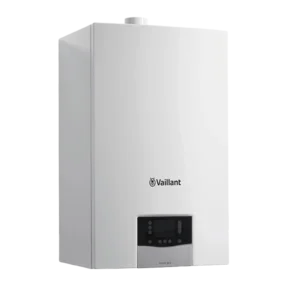
Combi boilers are the most widely installed boiler type in UK homes and represent the simplest and most space-efficient approach to central heating and hot water. They heat water directly from the mains supply and deliver it instantly to radiators or taps without requiring a separate cylinder or cold water tank.
All A-rated combi boilers operate at over 90% efficiency, meaning the vast majority of the gas burned is converted directly into useful heat. Their compact size, fast installation, and low maintenance requirements make them the default recommendation for most homes with up to two bathrooms and a reasonable number of radiators.
System Boilers and Hot Water Cylinders
System boilers work alongside an external unvented hot water cylinder, which stores heated water at mains pressure ready to supply multiple outlets simultaneously without any drop in flow rate. This makes them the preferred choice for larger homes where several showers or baths might be running at the same time.
The cylinder needs space — typically in an airing cupboard or utility room — and adds a degree of complexity and cost compared to a combi installation. However, for households with consistently high hot water demand, the performance benefits of a system boiler setup are significant and the additional cost is usually well justified.
Heat Pumps: Renewable Heating in 2026
Air Source Heat Pumps
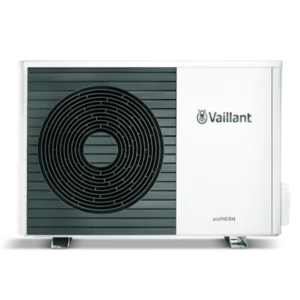
Air source heat pumps extract thermal energy from outdoor air and use it to heat water for radiators, underfloor heating, and domestic hot water. They can operate effectively even when outdoor temperatures drop below zero and are the most widely installed renewable heating technology in UK homes in 2026.
Their efficiency is measured as a coefficient of performance rather than a percentage, typically delivering between three and four units of heat for every one unit of electricity consumed. This makes them significantly cheaper to run than direct electric heating, though they perform best in well-insulated properties where heat loss is low.
Ground Source Heat Pumps
Ground source heat pumps extract stable thermal energy from the ground via a network of buried pipe loops or a vertical borehole, offering consistent performance regardless of outdoor air temperature. Because ground temperatures remain relatively stable year-round at depth, these systems maintain higher efficiency levels during cold winters than air source alternatives.
Installation is more disruptive and expensive than an air source system, requiring either land for horizontal loops or specialist drilling for a borehole. The higher upfront cost is typically offset over time by lower running costs and greater year-round efficiency, making ground source a strong long-term investment for suitable rural or suburban properties.
Fuel Sources for Central Heating
Natural Gas
Natural gas remains the most common fuel for central heating in the UK, powering the boilers in the majority of connected homes. It is relatively inexpensive, widely available through the national grid, and compatible with the most efficient condensing boiler technology currently available.
From 2035, new gas boiler installations will be prohibited under current UK government plans, making this the final decade in which gas boilers represent the standard new-build or replacement option. Homeowners replacing a boiler now should factor this timeline into their decision, particularly if they are considering a longer-term investment in heat pump technology.
Oil and LPG
Oil and LPG heating systems serve the approximately four million UK homes that are not connected to the mains gas grid, typically in rural areas. LPG behaves similarly to natural gas and can often use the same boiler technology, but is stored in an on-site tank and generally costs more per unit than mains gas.
Oil heating requires a storage tank, regular fuel deliveries, and slightly more maintenance than gas, but remains a cost-effective option for off-grid properties. Both oil and LPG are subject to the same future phaseout trajectory as gas, making them transitional solutions for homeowners who will eventually need to consider heat pumps or alternative renewable systems.
Biomass Boilers
Biomass boilers burn wood pellets, chips, or logs to generate heat and are considered carbon-neutral on the basis that the carbon released during combustion was absorbed by the trees during growth. They can connect to standard domestic radiator and hot water systems, making them a relatively straightforward replacement for an oil or gas boiler in rural properties with space for fuel storage.
Running costs depend heavily on local fuel availability and storage capacity, but biomass can be cost-competitive with oil and LPG in the right circumstances. They do require more maintenance than gas boilers and need a dedicated fuel store, which are practical considerations for homeowners weighing up their options.
Central Heating Installation Costs in 2026
Understanding the cost of a new central heating system helps set realistic expectations before requesting quotes. The table below outlines typical installed costs for the most common system types in 2026.
| System Type | Typical Installed Cost | Best Suited To |
|---|---|---|
| Combi boiler replacement | £1,800 – £3,500 | Most homes up to 3 bedrooms |
| System boiler with cylinder | £2,500 – £4,500 | Larger homes, multiple bathrooms |
| Conventional boiler replacement | £2,500 – £4,000 | Homes retaining existing tanks |
| Full new central heating system | £3,000 – £7,000+ | Properties with no existing system |
| Air source heat pump | £8,000 – £15,000 | Well-insulated homes off gas grid |
| Ground source heat pump | £15,000 – £25,000 | Rural properties with suitable land |
| Biomass boiler | £10,000 – £20,000 | Off-grid properties with fuel storage |
The wide range within each category reflects differences in property size, existing infrastructure, flue positioning, and regional labour costs. Getting at least three quotes and requesting a site survey before committing is always advisable for larger installations.
Government Grants and Incentives
The UK government offers financial support for homeowners switching to low-carbon heating systems through schemes designed to accelerate the transition away from fossil fuels. The Boiler Upgrade Scheme provides grants toward the cost of installing air source or ground source heat pumps, reducing the upfront barrier for eligible homeowners.
Eligibility criteria and grant amounts are subject to change, so checking the current position with a qualified installer or via the government’s official guidance is always the best starting point. The broader direction of policy is clear — incentives for low-carbon heating are expected to remain available and potentially increase in value as the 2035 gas boiler deadline approaches.
Choosing the Right Central Heating System
Selecting the right system depends on the size and age of the property, the number of bathrooms, the existing pipework and infrastructure, and whether the home is connected to mains gas. A professional heat loss survey is the most reliable way to determine what output is needed and which system type will deliver it most efficiently.
Insulation is an equally important consideration, as a poorly insulated home will place much higher demand on any heating system regardless of how efficient it is. Improving loft insulation, cavity wall insulation, and double glazing before upgrading the boiler or heat pump will reduce the required output and lower running costs from day one.
Smart Heating Controls
Smart thermostats and heating controls represent one of the most cost-effective upgrades available to homeowners with any type of central heating system. They learn usage patterns over time, adjust heating schedules automatically, and allow full remote control via a smartphone app from anywhere with an internet connection.
Annual savings of up to £575 have been cited for households switching from basic programmers to smart controls, though real-world savings vary depending on previous habits and property type. For homeowners who are not yet ready to replace their boiler, upgrading to a smart thermostat is a practical and affordable first step toward a more efficient home.
FAQ
What is the most efficient central heating system for a UK home in 2026?
For homes connected to mains gas, a modern A-rated condensing combi boiler remains the most cost-effective and efficient option for properties with up to two bathrooms. For homes off the gas grid or those preparing for the 2035 gas boiler phaseout, an air source heat pump in a well-insulated property offers the best long-term efficiency, delivering three to four units of heat per unit of electricity consumed. The right choice depends on property size, insulation levels, and budget.
How much does a new central heating system cost in the UK?
A replacement combi boiler with installation typically costs between £1,800 and £3,500 in 2026, while a full new central heating system for a property with no existing pipework can range from £3,000 to over £7,000. Heat pump installations are more expensive, ranging from £8,000 to £25,000 depending on the type, though government grants are available to reduce this cost. Getting multiple quotes and a site survey before committing is always recommended.
What is the difference between a combi boiler and a system boiler?
A combi boiler heats water directly from the mains on demand and does not require a separate hot water cylinder, making it the most compact and straightforward option for smaller homes. A system boiler works alongside an external unvented cylinder that stores heated water at mains pressure, allowing multiple outlets to run simultaneously without any drop in flow rate. System boilers are better suited to larger homes with two or more bathrooms and consistently high hot water demand.
Are heat pumps suitable for UK homes?
Yes, heat pumps are suitable for a wide range of UK homes, particularly those that are well insulated and have adequate space for the external unit. Air source heat pumps work effectively in typical UK winter temperatures, while ground source systems offer greater consistency in very cold conditions. They perform best alongside underfloor heating or larger radiators designed for the lower flow temperatures used in heat pump systems rather than traditional gas boiler setups.
What government grants are available for central heating in 2026?
The Boiler Upgrade Scheme provides grants toward the installation of air source and ground source heat pumps for eligible UK homeowners, reducing the upfront cost of switching from a gas or oil boiler to a renewable alternative. Grant amounts and eligibility criteria are subject to government review, so checking current availability through an accredited installer or the official government website is the most reliable approach. Additional support may be available through local authority schemes depending on location and household income.
Will gas boilers be banned in the UK?
Under current UK government plans, new gas boiler installations will be prohibited from 2035, meaning homeowners will need to choose an alternative heating system when their existing boiler reaches the end of its life from that point. Gas boilers already installed can continue to be serviced and repaired beyond 2035, so there is no requirement to replace a functioning boiler immediately. Homeowners replacing a boiler now should consider whether a heat pump-ready system might be a more future-proof investment.
How does insulation affect central heating performance?
Insulation reduces the rate at which heat escapes from a property, which directly lowers the demand placed on the central heating system and reduces running costs. A well-insulated home may require as little as 60 to 70 watts of heat output per square metre compared to significantly more in a poorly insulated equivalent. Improving loft insulation, cavity walls, and window glazing before upgrading a boiler or installing a heat pump will reduce the required system output and improve efficiency from day one.
What are the alternatives to gas central heating in 2026?
The main alternatives to gas central heating in 2026 are air source heat pumps, ground source heat pumps, electric boilers, biomass boilers, and oil or LPG systems for off-grid properties. Heat pumps are the government’s preferred low-carbon replacement and are supported by grant funding, making them the most commonly recommended alternative for suitable properties. Electric boilers offer a simpler and lower-cost installation than heat pumps and suit smaller well-insulated properties where running costs on a favourable electricity tariff remain manageable.
Conclusion
Central heating is changing faster in 2026 than at any point in the past few decades, with the phaseout of gas boilers on the horizon and heat pump technology becoming increasingly accessible and affordable. Understanding how the different systems work, what they cost, and what suits a particular property makes it far easier to make a decision that serves the household well for the next 15 years and beyond.
Whether the right answer is a high-efficiency combi boiler replacement, a system boiler upgrade, or the first steps toward a heat pump installation, the principles remain the same — match the system to the property, invest in insulation first, and take advantage of available grants to reduce the upfront cost. Getting professional advice from a Gas Safe registered engineer or accredited heat pump installer is always the most reliable starting point.