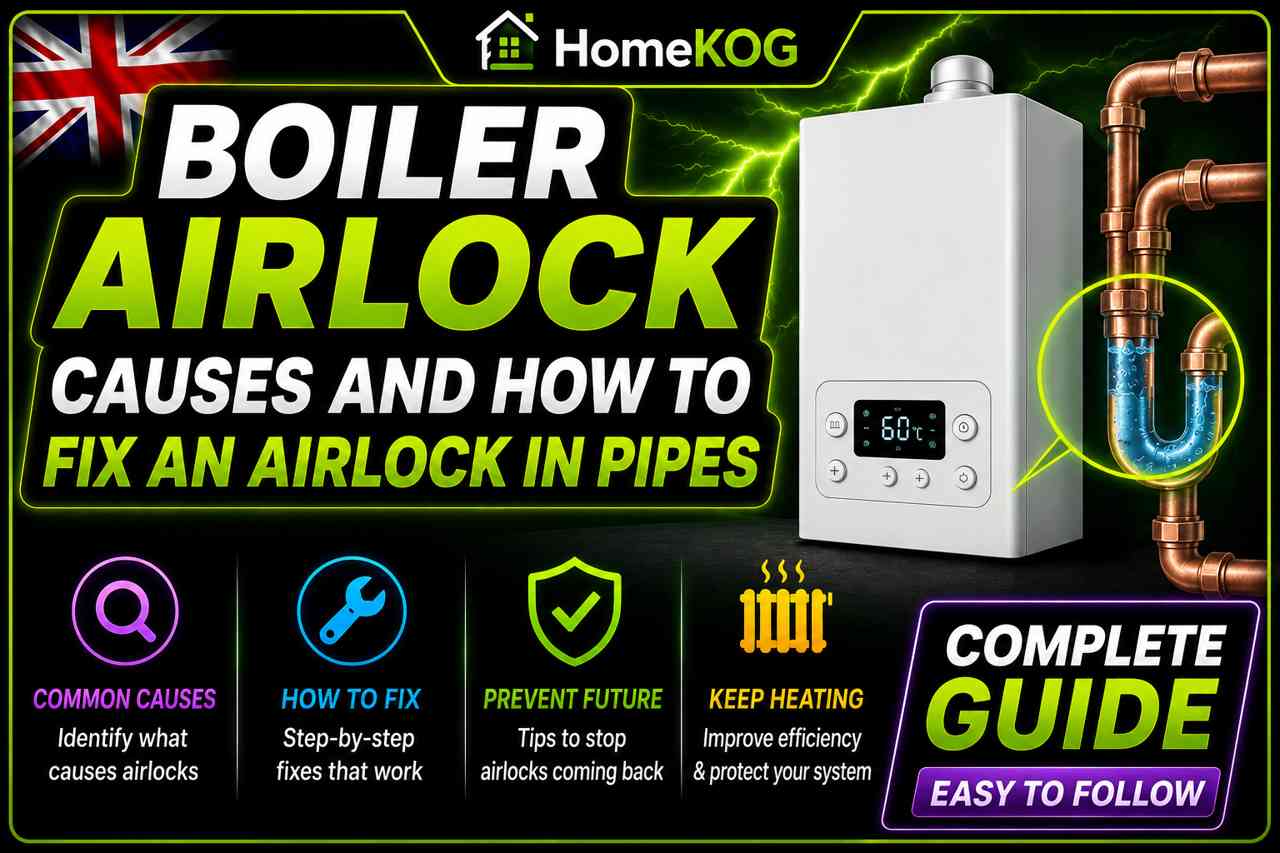


Boiler Airlock Causes and How To Fix an Airlock in Pipes
Quick Answer
A boiler airlock happens when trapped air blocks water flow in your heating system. This can cause no hot water, low pressure, or noisy pipes. The most common fix is bleeding radiators or flushing the system, but persistent issues may require a heating engineer. boiler pump troubleshooting tips can also help identify other potential issues in your system. Regular maintenance, such as checking for leaks or ensuring the pump is working efficiently, can prevent future problems. Additionally, understanding the common signs of a failing boiler pump can save you time and money in the long run. Regular check-ups can also help in recognizing boiler maintenance troubleshooting tips, which are crucial for keeping your heating system running smoothly. Being proactive in addressing minor issues can prevent major breakdowns and costly repairs. Make sure to keep an eye on unusual noises or changes in performance as they are often early indicators of potential problems.
Airlocks are a common central heating issue in UK homes, especially in older systems or after maintenance work.
The good news is they’re usually simple to fix and don’t require a full boiler replacement.
Boiler Airlock Entity Relationships
-
Airlock → blocks → water circulation
-
Boiler → heats → water
-
Pipes → transport → heated water
-
Radiators → release → heat
-
Trapped air → reduces → system efficiency
-
Pressure gauge → indicates → system pressure
-
Radiator valve → releases → trapped air
-
Heating system → requires → continuous flow
-
Low pressure → signals → circulation issue
-
Bleeding radiators → removes → air pockets
-
Sediment build-up → contributes → airlocks
-
Maintenance → prevents → system faults

What Is a Boiler Airlock?
A boiler airlock occurs when air becomes trapped inside your pipes or heating system.
This trapped air prevents hot water from circulating properly.
H3: Why airlocks matter
Without proper water flow, your heating system cannot distribute heat effectively.
This leads to cold radiators, no hot water, or inconsistent heating.
What Causes an Airlock in Pipes?
Airlocks can develop for several reasons within a central heating system.
Understanding the cause helps prevent future issues.
H3: Common causes
Air can enter the system during repairs or installation.
Low water pressure may allow air pockets to form.
Leaks or loose connections can introduce air into the pipes.
Sediment or sludge build-up can disrupt normal water flow.
Boiler Airlock Symptoms
Recognising the signs of an airlock early can help you fix it quickly.
H3: Most common symptoms
| Symptom | What It Means |
|---|---|
| No hot water | Air blocking water flow |
| Low pressure | Circulation issue |
| Gurgling noises | Air trapped in pipes |
| Cold radiators | Uneven heat distribution |
| Leaks | Possible pressure imbalance |
These symptoms often appear together in affected systems.
How to Fix a Boiler Airlock
Fixing an airlock usually involves removing trapped air from the system.
Some methods are simple, while others may require professional help.
H3: Bleeding radiators (most common fix)
-
Turn off your heating system
-
Use a radiator key to open the valve
-
Let trapped air escape until water flows
-
Close the valve and check pressure
This restores proper water circulation in most cases.
H3: Flushing the system
If bleeding doesn’t work, forcing water through the system can push air out.
This method is more complex and may require a professional.
Can an Airlock Damage Your Boiler?
Yes, leaving an airlock unresolved can lead to further problems.
Restricted water flow puts extra strain on your heating system.
H3: Potential risks
Reduced efficiency increases energy usage.
Components like pumps may wear out faster.
Pressure imbalances can lead to leaks or system failure.
How to Prevent Boiler Airlocks
Preventative maintenance is the best way to avoid airlocks.
Regular checks keep your system running efficiently.
H3: Prevention tips
Bleed radiators regularly to remove trapped air.
Maintain correct boiler pressure levels.
Service your boiler annually to detect issues early.
Use inhibitor chemicals to reduce sludge build-up.
When to Call a Heating Engineer
Some airlocks are harder to fix than others.
If basic methods don’t resolve the issue, professional help is needed.
H3: Signs you need expert help
Persistent low pressure after bleeding radiators.
Repeated airlocks occurring frequently.
Unusual noises or leaks that don’t stop.
Is a Quiet Boiler Essential for Preventing Airlocks in Pipes?
A quiet boiler can significantly reduce the risk of airlocks in pipes, ensuring efficient heating throughout your home. By choosing from the top quiet boilers in uk, homeowners can enjoy a peaceful environment while maintaining optimal performance. This thoughtful choice helps prevent disruptions caused by airlock issues.
FAQs
What is a boiler airlock?
A boiler airlock is a blockage caused by trapped air in the heating system. This prevents water from circulating properly, leading to heating issues such as cold radiators or no hot water.
How do I know if I have an airlock?
Common signs include gurgling noises, low boiler pressure, cold radiators, and lack of hot water. These symptoms indicate that air is preventing proper water flow.
Can I fix an airlock myself?
Yes, many airlocks can be fixed by bleeding radiators. This releases trapped air and restores circulation. More complex issues may require a heating engineer.
Why does my boiler keep getting airlocks?
Recurring airlocks may be caused by leaks, low pressure, or sludge build-up. Regular maintenance helps prevent these issues from returning.
Is a boiler airlock dangerous?
An airlock is not immediately dangerous, but it can lead to reduced efficiency and potential damage if left untreated over time.
How long does it take to fix an airlock?
Simple fixes like bleeding radiators take a few minutes. More complex issues may take longer if professional intervention is required.
Can low pressure cause an airlock?
Yes, low pressure can allow air to enter the system, leading to airlocks. Maintaining proper pressure helps prevent this issue.
Do I need a new boiler if I have an airlock?
No, an airlock is usually a minor issue that can be fixed without replacing the boiler. Only severe or repeated problems may require further investigation.
Conclusion
A boiler airlock is a common but manageable issue in UK homes.
By recognising the symptoms early and using simple fixes like bleeding radiators, you can restore your heating system quickly.
Regular maintenance and pressure checks will help prevent future airlocks, keeping your home warm and your boiler running efficiently.