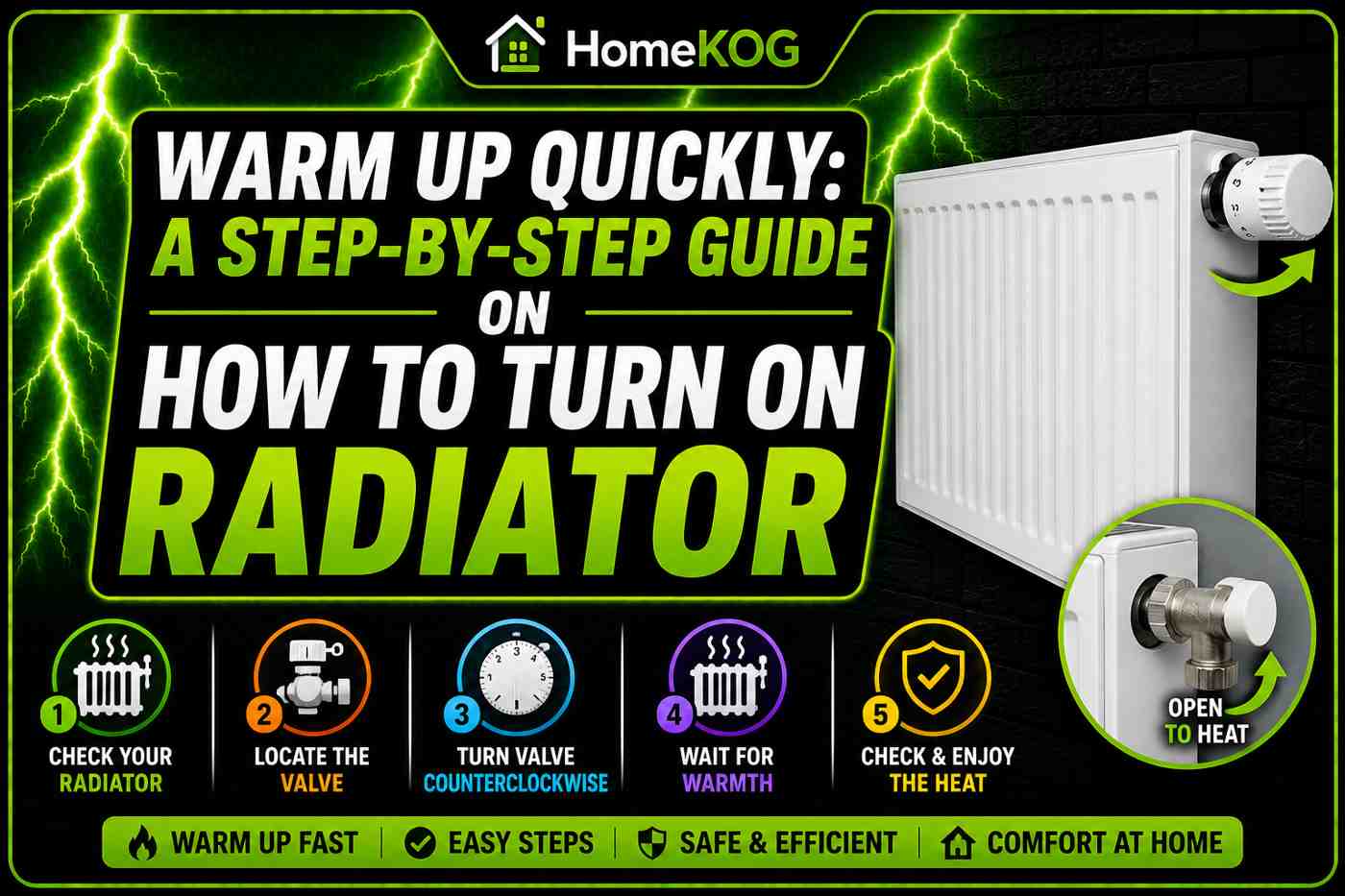

How to Turn On a Radiator
Quick Answer: To turn on a radiator, make sure your heating system is on, then turn the radiator valve anticlockwise to open it. If the radiator stays cold or only warms partly, check for trapped air, low boiler pressure, or a stuck valve. A quick bleed or pressure top-up often solves the problem.
Knowing how to turn on a radiator sounds simple, but plenty of UK homeowners still get caught out when a room stays stubbornly cold. Sometimes the radiator valve is closed. Sometimes the heating is on but the radiator is full of air or sludge.
This guide explains how to turn on a radiator properly, how to check if it is working, and what to do if it heats unevenly. It also covers the most common radiator problems in plain English, so you can get warm faster without guessing.
Key Heating Relationships
- Radiator valve → controls → hot water flow into the radiator.
- Boiler pressure → affects → radiator heating performance.
- Trapped air → causes → cold spots at the top of a radiator.
- Lockshield valve → helps balance → heat across the heating system.
- Thermostatic radiator valve → regulates → room temperature automatically.
- Central heating system → sends → hot water through radiator pipes.
- Bleed valve → releases → trapped air from the radiator.
- Sludge build-up → reduces → radiator efficiency.
- Boiler pump → circulates → heated water around the home.
- Radiator brackets → support → the radiator on the wall.
- Home insulation → improves → heat retention and system efficiency.
- Annual servicing → protects → boiler and radiator performance.

Why Radiators Sometimes Do Not Heat Properly
A radiator only works well when hot water can move through it freely and release heat into the room. If anything blocks that process, the radiator may stay cold, heat slowly, or warm only in patches.
The most common causes are closed valves, trapped air, low boiler pressure, and internal sludge. In some homes, poor balancing across the heating system also means one radiator gets hot while another barely warms up.
What to Do Before You Turn On a Radiator
Before touching the valves, make sure the area around the radiator is clear. Thick curtains, sofas, washing baskets, and furniture can all trap heat and stop it spreading properly through the room.
It is also worth checking for dust behind and between the radiator panels. Built-up dust acts like insulation and reduces heat output, which means your radiator works harder for less warmth.
Basic checks before switching it on
| Check | Why it matters | What to do |
|---|---|---|
| Boiler switched on | Radiators will not heat without it | Confirm heating is active |
| Room thermostat set correctly | Heating may not be calling for heat | Raise setting above room temperature |
| Space around radiator clear | Blocked heat reduces efficiency | Move furniture or curtains away |
| Valves visible and accessible | You need to control water flow | Remove covers if needed |
| No obvious leaks | Leaks reduce pressure and performance | Investigate before use |
How to Turn On a Radiator
Turning on a radiator is usually a quick job. Most UK radiators have two valves, one to control heat and one to balance flow. The valve you use day to day is normally the manual valve or thermostatic radiator valve.
Turn the main control valve anticlockwise to open it. If it is a thermostatic radiator valve, turn it to a higher number so it starts calling for heat when the room is cool enough.
Step-by-step radiator start-up
1. Switch on the central heating
Make sure the boiler and central heating are running. If the boiler is off, the radiator cannot heat even if the valve is fully open.
2. Open the radiator valve
Turn the control valve anticlockwise. On a thermostatic radiator valve, choose a setting such as 3 or 4 to allow the radiator to warm the room.
3. Wait a few minutes
Give the radiator time to respond. It may take several minutes for hot water to travel through the system, especially if the heating has just been switched on.
4. Feel for even heat
Check whether the radiator warms evenly from top to bottom. A fully working radiator should feel consistently warm across the surface after a short while.
Understanding the Two Radiator Valves
Most radiators have a control valve on one side and a lockshield valve on the other. The control valve is the one you normally adjust.
The lockshield valve is not meant for regular use. It helps control how quickly hot water flows through that radiator compared with the rest of the system.
Radiator valve types
| Valve type | Purpose | Should you adjust it often? |
|---|---|---|
| Manual valve | Turns radiator on or off | Yes |
| Thermostatic radiator valve | Controls room temperature automatically | Yes |
| Lockshield valve | Balances system flow | No, only for balancing |
How to Tell If the Radiator Is Actually On
A radiator that is switched on should gradually become warm all over. You should feel heat spreading from the pipework into the body of the radiator.
If the pipes are hot but the radiator stays cold, the problem is usually inside the radiator itself. If both the radiator and pipes stay cold, the issue may be the boiler, thermostat, valve, or system pressure.
Common Signs the Radiator Needs Bleeding
If your radiator is warm at the bottom but cold at the top, trapped air is the likely cause. This is one of the most common reasons a radiator feels partly on but does not fully heat the room.
You may also hear gurgling or bubbling sounds when the heating is running. That usually means air is moving through the system instead of water flowing cleanly through the radiator.
Signs of trapped air
| Symptom | Likely cause | Typical fix |
|---|---|---|
| Cold at top, warm at bottom | Trapped air | Bleed radiator |
| Gurgling noises | Air in system | Bleed radiator |
| Slow heat-up | Air or sludge | Bleed, then assess |
| Uneven warmth | Balancing or blockage issue | Check valves and system |
How to Bleed a Radiator Safely
Bleeding a radiator lets trapped air escape, allowing hot water to fill the radiator properly. It is a simple maintenance task and often makes an immediate difference.
Before you start, turn the heating off and let the radiator cool slightly. Hold a cloth and small container under the bleed valve to catch any drips.
Step-by-step bleeding process
1. Turn off the heating
This prevents hot water from moving through the system while you work and makes the process safer.
2. Find the bleed valve
It is usually at the top corner of the radiator and can be opened with a radiator key or flat-head screwdriver, depending on the model.
3. Open the valve slowly
Turn the bleed valve gently until you hear a hiss. That is the trapped air escaping.
4. Wait for water
Once water starts to trickle out steadily, close the valve again. That means the air has been released.
5. Wipe and check
Dry the area and make sure the valve is closed securely, but do not overtighten it.
Check Boiler Pressure After Bleeding
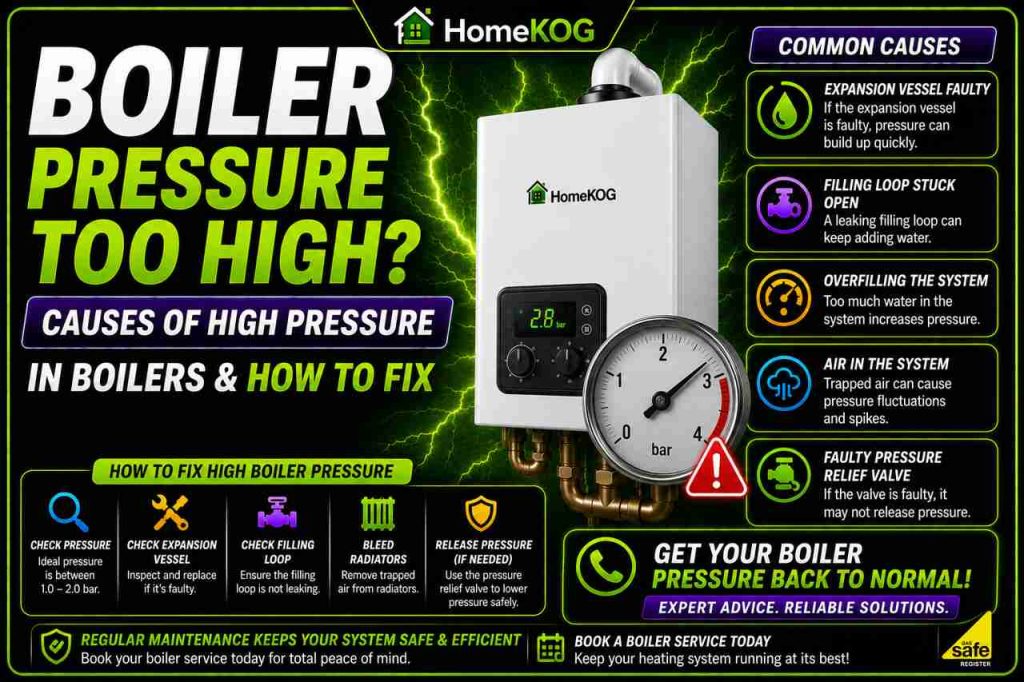
Bleeding radiators can reduce system pressure slightly. After bleeding one or more radiators, check the boiler pressure gauge.
In most UK homes, boiler pressure should usually sit around 1 to 1.5 bar when the system is cool. If the pressure drops too low, the radiators may not heat properly and the boiler may lock out.
What If the Radiator Is Cold at the Bottom?
A radiator that is cold at the bottom but warm at the top often points to sludge build-up rather than trapped air. Sludge is made of rust, dirt, and debris that settles inside older heating systems.
This build-up restricts water flow and reduces efficiency. In mild cases, chemical treatment may help. In more serious cases, a professional power flush may be needed.
What If the Valve Seems Stuck?
Sometimes the radiator valve does not open properly because the internal pin sticks in place. This is common with thermostatic radiator valves, especially after summer when they have not been used for months.
If the valve head turns but the radiator still does nothing, the pin underneath may be stuck. This can often be freed carefully, but if you are unsure, it is better to get a heating engineer to deal with it.
Basic radiator fault guide
| Problem | Most likely cause | Next step |
|---|---|---|
| Radiator fully cold | Valve closed, boiler off, low pressure | Check controls and boiler |
| Hot at bottom only | Air trapped | Bleed radiator |
| Hot at top only | Sludge build-up | Consider flush |
| One radiator cold, others hot | Stuck valve or balancing issue | Inspect valve |
| Multiple radiators cold | Boiler or system issue | Check thermostat and pressure |
Balancing Radiators for Better Heat
If some rooms overheat while others stay chilly, your radiators may need balancing. This means adjusting the lockshield valves so hot water is shared more evenly across the system.
Balancing is especially useful in larger homes where the radiators closest to the boiler heat quickly and the ones further away lag behind. It improves comfort and can help the whole system run more efficiently.
Why balancing matters
Heat reaches every room more evenly
Balanced radiators stop one side of the house becoming too warm while another struggles to heat up.
The boiler works more efficiently
Better flow across the system means the boiler does not need to work as hard to maintain a steady temperature. how a combi boiler provides heating is also essential in ensuring energy efficiency. By using both water and gas effectively, these systems reduce waste and lower utility bills. Additionally, a well-optimized combi boiler can enhance comfort levels throughout the home by delivering consistent warmth. Understanding the combi boiler working principles is key to optimizing home heating systems. These boilers operate by heating water directly from the mains supply, offering on-demand hot water without the need for a bulky storage tank. This efficient design not only saves space but also provides a reliable and continuous supply of hot water whenever needed.
How Thermostatic Radiator Valves Help
Thermostatic radiator valves, often called TRVs, automatically adjust radiator heat based on the room temperature. That means a bedroom, bathroom, and lounge can all heat differently without constant manual adjustments.
They also help reduce wasted energy. If a room is already warm enough, the valve reduces the hot water flow instead of overheating the space.
Extra Ways to Keep Rooms Warm
Turning on a radiator is only one part of warming a room quickly. If your home loses heat fast, even a good radiator will struggle to keep up.
Small improvements like draught proofing, thicker curtains, and loft insulation can help your radiators work more effectively and reduce heating bills at the same time.
When to Call a Heating Engineer
If you have turned the radiator on, bled it, checked the pressure, and cleared the area, but it still does not work properly, it may be time to get expert help.
Persistent cold spots, leaks, repeated pressure loss, and multiple radiators failing at once often point to a wider heating system issue that needs proper diagnosis.
How to Ensure Safe Radiator Operation While Turning It On?
To ensure safe radiator operation while turning it on, always inspect the unit for leaks and ensure the pressure is within the recommended range. Familiarize yourself with safe radiator removal techniques in case maintenance is needed. This preparation helps prevent accidents and keeps your heating system functioning efficiently.
FAQ
How do I know if my radiator valve is open?
If your radiator valve is open, it will usually turn anticlockwise and allow hot water to flow into the radiator. On a manual valve, opening it fully should let the radiator heat up when the central heating is on. On a thermostatic radiator valve, a higher number means a warmer room setting and more heat demand.
Why is my radiator on but not getting hot?
A radiator can be switched on but still stay cold if there is trapped air, sludge inside the unit, low boiler pressure, or a stuck valve. If the pipes are warm but the radiator is not, the issue is usually inside the radiator itself. If both are cold, the problem may sit elsewhere in the heating system.
Should both radiator valves be open?
In normal use, the main control valve should be open so the radiator can heat. The lockshield valve should also be open, but it is usually set to a specific position for balancing and left there. If either valve is fully closed, the radiator may not heat properly or may stay completely cold.
How often should I bleed my radiators?
Radiators should usually be bled at least once or twice a year, especially before winter when the heating starts being used more heavily. If you notice cold spots at the top, gurgling noises, or slow heat-up times, you may need to bleed them sooner. Regular bleeding helps keep the system efficient and comfortable.
Why is my radiator cold at the top?
A radiator that is cold at the top usually has trapped air inside it. Air rises above the hot water, which stops the upper section from filling and heating properly. Bleeding the radiator releases this trapped air and usually restores even heat. After bleeding, it is worth checking the boiler pressure as well.
Why is my radiator cold at the bottom?
If a radiator is cold at the bottom but warm above, the usual cause is sludge or debris build-up inside the radiator. This blocks water flow and reduces heat output. A power flush or chemical clean may be needed if the problem is severe. This is more common in older systems with poor maintenance.
Can I turn on one radiator without the whole heating system?
In most standard wet central heating systems, a radiator only heats when the central heating system is running. You can control individual radiators by opening or closing their valves, but the boiler still needs to be active. A radiator cannot normally heat by itself unless the system and controls are specifically set up for zoned heating.
Do thermostatic radiator valves save money?
Yes, thermostatic radiator valves can help save money because they reduce heat output once a room reaches the chosen temperature. That stops rooms from overheating and cuts unnecessary energy use. Over time, this can lower heating bills, especially in homes where some rooms are used far less often than others.
Final Thoughts
Learning how to turn on a radiator is simple once you know what to look for. In most cases, you just need the heating on, the right valve open, and enough system pressure for hot water to circulate properly.
If a radiator still refuses to heat, the problem is usually trapped air, sludge, or a faulty valve rather than the radiator being permanently broken. A little maintenance goes a long way, and when it does not, a heating engineer can sort the deeper issue before it turns into a bigger repair.