
How To Increase Boiler Efficiency and Save Money
Quick Answer
To increase boiler efficiency, service your boiler every year, lower the flow temperature, improve insulation, bleed radiators, keep pressure correct, and use smart heating controls. Most savings come from reducing wasted heat, helping your boiler run for shorter periods while using less gas to keep your home warm.
Boilers are one of the biggest energy users in most UK homes, so even small efficiency improvements can make a noticeable difference to your heating bills. The aim is simple: help your boiler produce the heat you need while wasting as little fuel as possible.
A modern A-rated boiler can be far more efficient than an older model, but even if you are not replacing your boiler yet, there are still several practical ways to improve performance and cut costs.
Boiler Efficiency Entity Relationships
- Boiler efficiency → reduces → household energy bills
- Annual boiler service → improves → boiler performance
- Lower flow temperature → increases → condensing efficiency
- Home insulation → reduces → heat loss
- Smart thermostat → controls → heating more accurately
- Radiator bleeding → removes → trapped air
- Correct boiler pressure → supports → safe operation
- Pipe insulation → prevents → heat escaping
- Clean boiler components → improve → heat transfer
- Older boilers → use → more fuel for the same heat
- Efficient heating controls → reduce → unnecessary boiler runtime
- Boiler upgrades → deliver → higher seasonal efficiency
What Does Boiler Efficiency Mean?
Boiler efficiency is a measure of how much of the fuel your boiler uses is turned into usable heat for your home and hot water. The higher the efficiency, the less energy is wasted during the heating process.
In simple terms, an efficient boiler uses less gas to create the same level of warmth. That means lower running costs and less unnecessary energy use.
How boiler efficiency is measured
Boiler efficiency is usually discussed as a percentage. If a boiler is 94% efficient, that means 94% of the fuel is turned into useful heat and the remaining 6% is lost.
This is why modern condensing boilers are far cheaper to run than many older models, which may waste much more heat through the flue.
The Best Ways to Increase Boiler Efficiency
The most effective approach is to improve how your existing system runs before spending money on major replacements. Small gains across several areas often add up to a meaningful annual saving.
Service Your Boiler Every Year
Annual servicing is one of the most effective ways to keep a boiler working efficiently. Dirt, wear, and small faults can all reduce performance over time.
A professional boiler service helps keep components clean, checks combustion performance, and catches issues before they become expensive breakdowns. It also helps keep manufacturer warranties valid. To ensure thorough maintenance, an ideal boiler service checklist should include inspecting the pressure and temperature settings, verifying safety controls, and ensuring proper ventilation. This comprehensive approach not only enhances performance but also extends the lifespan of the boiler. Regular adherence to this checklist can significantly improve energy efficiency, leading to lower utility bills.
What a boiler service helps with
A yearly service can improve combustion efficiency, identify worn parts, and keep your heating system running safely. It also reduces the risk of your boiler working harder than necessary. boiler maintenance frequency tips suggest that in addition to the annual service, homeowners should check their boiler system every few months for signs of wear or leaks. Regular inspection can catch minor issues before they escalate, potentially saving costly repairs in the long run. Additionally, keeping an eye on the water pressure and maintaining clear access to the boiler will contribute to its efficiency and longevity. Understanding the recommended boiler service frequency can also help homeowners make informed decisions about maintenance scheduling. By adhering to these guidelines, you can ensure the longevity of your system and avoid unexpected breakdowns. Ultimately, taking a proactive approach to boiler care can enhance your home’s overall energy efficiency.
If your boiler is overdue a service, efficiency is one of the first things that can suffer.
Lower the Boiler Flow Temperature
Reducing your boiler’s flow temperature is one of the most overlooked ways to improve efficiency. This is especially true for condensing boilers.
When the flow temperature is lower, the boiler is more likely to operate in condensing mode for longer. That allows it to recover more heat from exhaust gases instead of wasting it.
Recommended flow temperature approach
For many combi boilers, lowering the central heating flow temperature can improve efficiency without affecting comfort, as long as the radiators are sized correctly for the home.
This is often one of the easiest no-cost adjustments you can make.
Improve Home Insulation
Even the best boiler wastes energy if your home loses heat too quickly. Poor insulation makes the boiler run longer and more often.
Loft insulation, cavity wall insulation, draft proofing, and better windows all help retain heat. That means the boiler reaches the target temperature sooner and stays off for longer.
Why insulation matters to boiler efficiency
Boiler efficiency is not only about the boiler itself. It is also about how much heat your home can hold onto after it is produced. Understanding boiler efficiency testing methods can provide valuable insights into optimizing heat retention in your home. By implementing these methods, homeowners can identify inefficiencies and make informed decisions regarding upgrades or maintenance. This ultimately leads to a more comfortable living environment and lower energy costs.
A well-insulated home reduces overall demand, which lowers both gas use and wear on the heating system.
Install a Programmable or Smart Thermostat
Better controls help your boiler heat your home only when necessary. This reduces wasted heating hours and gives you better control over energy use.
A programmable thermostat follows a fixed schedule. A smart thermostat adds more flexibility, including remote control and learning features.
Why controls improve efficiency
A boiler with poor controls may fire too often, overheat rooms, or run when nobody is home. Smarter controls reduce that waste.
This improves system efficiency because the boiler runs in a more controlled and purposeful way.
Bleed Your Radiators
If air is trapped in your radiators, they will not heat properly. That means your boiler has to run longer to achieve the same room temperature.
Bleeding radiators removes that trapped air and restores even heat distribution. This helps the system warm rooms faster and more effectively.
Signs your radiators need bleeding
If the top of a radiator is cold but the bottom is hot, trapped air is often the cause. Gurgling noises can also point to the same problem.
Bleeding them is a simple maintenance step that supports overall heating efficiency.
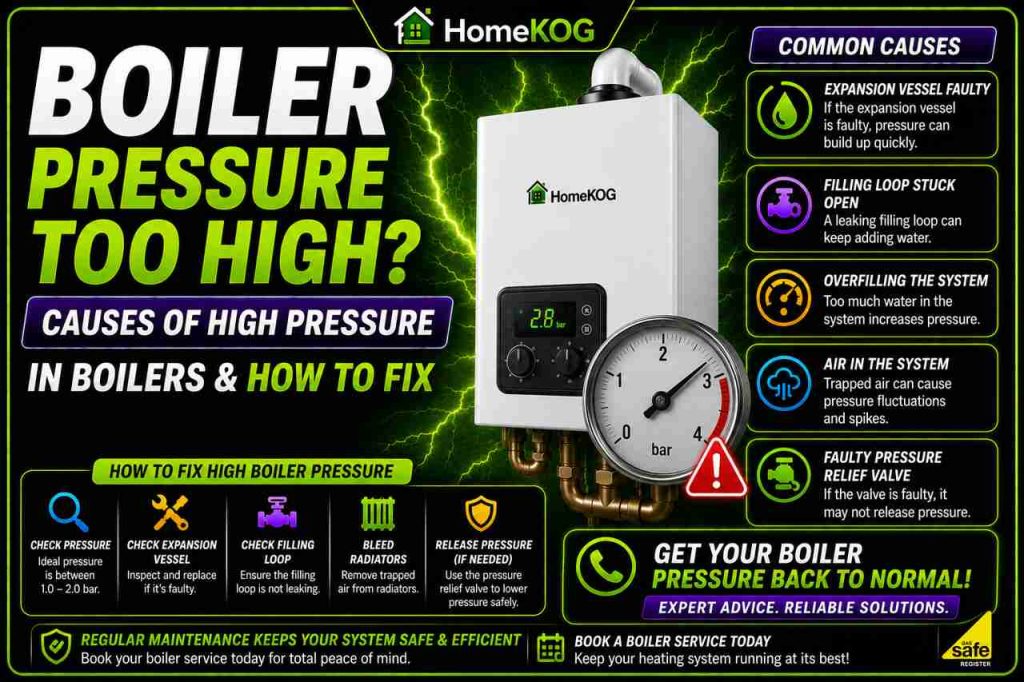
Check and Maintain Boiler Pressure
Boiler pressure that is too low or too high can affect heating performance and system stability. Most domestic boilers operate best around the manufacturer’s recommended range.
If pressure drops too far, circulation can suffer. If it rises too much, the system can become stressed and less reliable.
Why pressure matters
Correct pressure helps the boiler and radiators work together properly. It also reduces the risk of faults, lockouts, and inefficient operation.
Checking the pressure gauge regularly is a small habit that can prevent bigger problems.
Insulate Heating Pipes
Pipe insulation reduces heat loss before hot water even reaches your radiators or hot water outlets. Exposed pipework in lofts, garages, and cupboards is especially vulnerable.
By insulating pipes, you keep more heat in the system and reduce the energy needed to maintain temperatures.
Where pipe insulation helps most
Pipe insulation is most useful on accessible hot water and heating pipes in unheated areas. It is inexpensive and can make the system more efficient without changing the boiler itself.
Keep the Boiler and Surrounding Area Clean
A boiler should always be serviced internally by a qualified engineer, but keeping the external housing and surrounding space clean also helps.
Dust, clutter, and poor airflow can all make maintenance harder and may affect how well the system vents and operates over time.
Why a clean setup matters
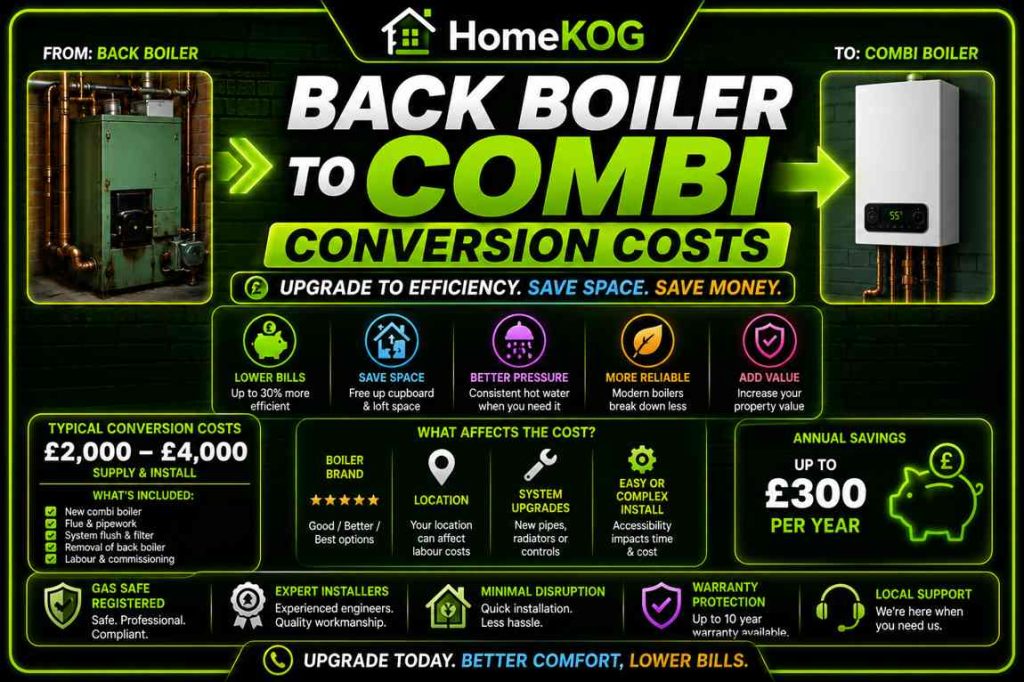
A clean, accessible boiler is easier to inspect, easier to service, and less likely to suffer from preventable issues caused by blocked vents or neglected surroundings. understanding the back boiler heating system overview is crucial for homeowners looking to optimize their heating efficiency. Regular maintenance and proper installation can significantly enhance performance while minimizing energy costs. Additionally, familiarizing oneself with the system’s components can aid in early detection of potential problems, ensuring a consistent and comfortable living environment.
Consider Upgrading to a High-Efficiency Boiler
If your current boiler is very old, replacement may be the biggest single improvement you can make. Older boilers can run far below the efficiency levels of modern condensing units.
A modern A-rated boiler can reduce fuel use substantially, especially when paired with better controls and a well-balanced heating system.
Boiler Efficiency Improvements at a Glance
| Efficiency Measure | Typical Upfront Cost | Potential Benefit |
|---|---|---|
| Annual boiler service | Low | Better performance and fewer faults |
| Lower flow temperature | None | Higher condensing efficiency |
| Loft and wall insulation | Medium to high | Reduced heat loss and lower gas use |
| Programmable thermostat | Low to medium | Less wasted heating time |
| Smart thermostat | Medium | Better control and scheduling |
| Bleeding radiators | Very low | Faster, more even heating |
| Pipe insulation | Low | Less heat lost in transit |
| New A-rated boiler | High | Major efficiency improvement |
Signs Your Boiler Is Running Inefficiently
An inefficient boiler often gives warning signs before it fails completely. Higher bills are the most obvious clue, but they are not the only one. You may also notice unusual noises or inconsistent heating throughout your home. Exploring energyefficient boiler options for homes can help you avoid these issues and reduce your energy costs. Investing in a modern system not only enhances comfort but also contributes to a more sustainable environment.
Longer heating times, uneven radiator temperatures, frequent cycling, strange noises, and poor hot water performance can all suggest the boiler or wider heating system is not working as well as it should.
Best Boiler Efficiency Checklist
- Book an annual boiler service.
- Lower the central heating flow temperature where suitable.
- Fit or upgrade a programmable or smart thermostat.
- Bleed radiators and balance the system if needed.
- Keep the boiler pressure in the correct range.
- Improve loft, wall, and pipe insulation.
- Replace an old inefficient boiler if savings justify it.
Can Flushing a Central Heating System Improve Boiler Efficiency and Save Money?
Flushing a central heating system can significantly enhance boiler efficiency and reduce energy costs. By removing sludge and debris, homeowners can ensure optimal heat transfer. Regular maintenance helps to flush central heating system issues effectively, leading to improved performance and potential savings on bills, making it a wise investment for any property.
FAQs
How can I make my boiler more efficient?
You can make your boiler more efficient by servicing it annually, lowering the flow temperature, using a programmable thermostat, bleeding radiators, and improving home insulation. Boiler efficiency improves when less heat is wasted and the system reaches the desired temperature more quickly. Small changes across the heating system usually work better than relying on just one adjustment.
Does lowering the boiler flow temperature save money?
Yes, lowering the boiler flow temperature can save money, especially on modern condensing boilers. A lower flow temperature allows the boiler to condense more effectively, which improves heat recovery from exhaust gases. That means the boiler uses less gas to produce the same comfort level, provided your radiators can still heat the rooms properly.
Does a boiler service improve efficiency?
A boiler service can improve efficiency because it keeps the appliance clean, safe, and properly adjusted. Dirt, wear, and small faults can reduce performance over time, making the boiler work harder than it should. A yearly service helps restore efficient operation and may also identify issues before they become more expensive problems.
Do smart thermostats really reduce boiler running costs?
Smart thermostats can reduce boiler running costs by improving when and how your heating comes on. They help prevent wasted heating hours, reduce overheating, and give you better control over room temperature. A smart thermostat works best when combined with a sensible schedule, good insulation, and a heating system that is already in decent condition.
Why do bleeding radiators help boiler efficiency?
Bleeding radiators helps boiler efficiency because trapped air reduces heat output and stops radiators from warming evenly. If radiators are only partly hot, the boiler must run longer to heat the room. Removing the air improves circulation, helps rooms heat faster, and reduces the amount of work the boiler needs to do.
Does insulation affect boiler efficiency?
Insulation affects boiler efficiency indirectly by reducing the amount of heat your home loses. If heat escapes quickly through walls, lofts, floors, or windows, the boiler has to keep firing to replace it. Better insulation lowers overall heating demand, which means the boiler runs less often and uses less fuel to keep the home comfortable.
How do I know if my boiler is inefficient?
A boiler may be inefficient if your heating bills are rising without a clear reason, your home takes longer to warm up, radiators heat unevenly, or the boiler cycles on and off too often. Older boilers are especially likely to waste heat. A service or heating assessment can confirm whether the issue is the boiler, the controls, or the wider system.
Is replacing an old boiler worth it for efficiency savings?
Replacing an old boiler is often worth it if the current model is inefficient, unreliable, or expensive to run. A modern A-rated condensing boiler can use significantly less fuel than many older units, especially when paired with better heating controls. The decision depends on the boiler’s age, repair history, and how much you are currently spending on gas.
Conclusion
Improving boiler efficiency is usually a combination of better maintenance, smarter controls, and reducing heat loss in the home. You do not always need a brand-new boiler to make meaningful savings.
That said, if your current boiler is old and inefficient, replacement can deliver the biggest improvement of all. Whether you start with servicing, insulation, or a full upgrade, the goal is the same: use less fuel, waste less heat, and spend less money keeping your home warm.