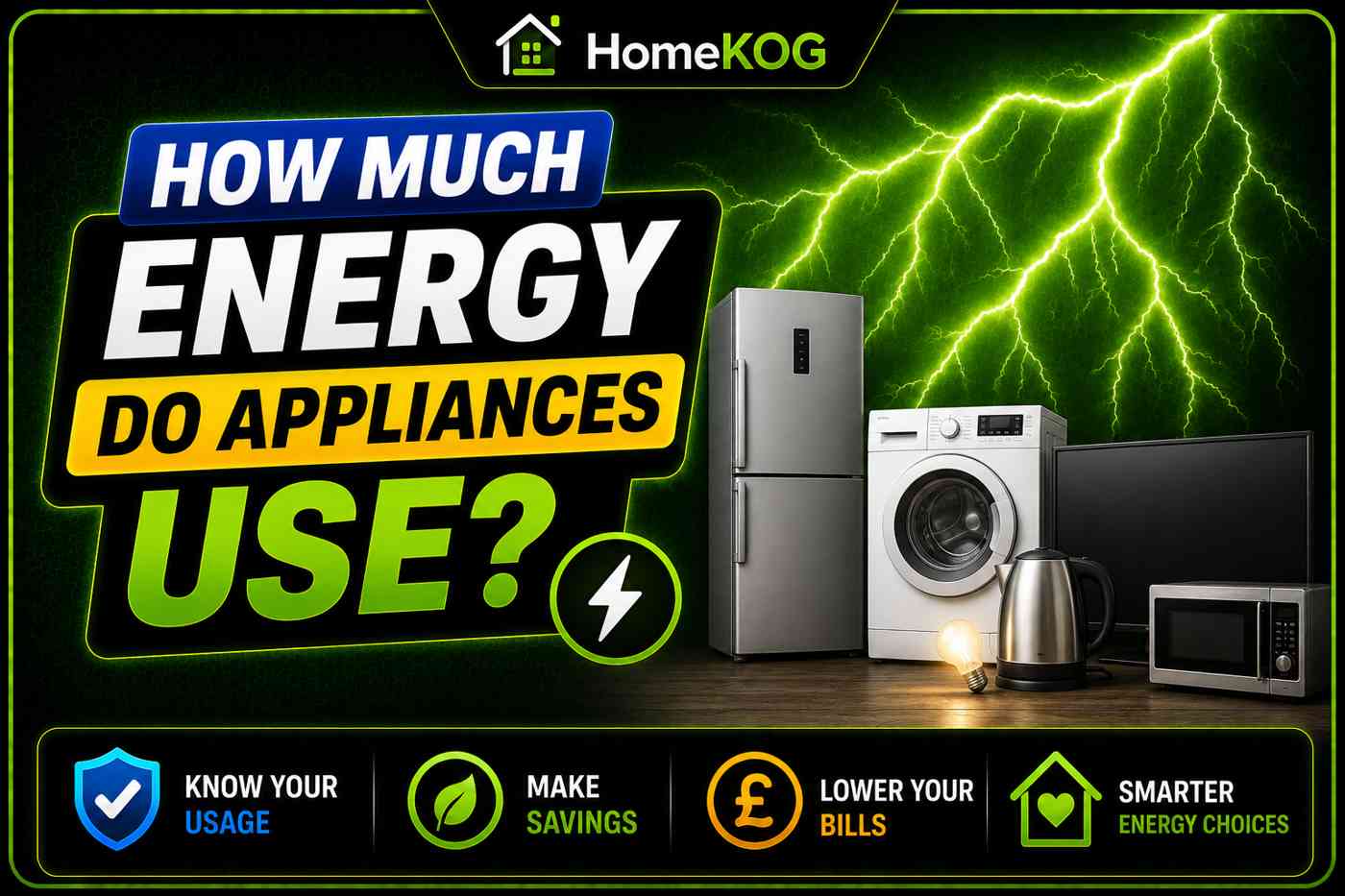

How Much Energy Do Appliances Use?
Quick Answer
Household appliances in the UK use varying amounts of energy, with heating systems, dryers, and cooling devices using the most. A typical home uses between 1,800 and 4,300 kWh per year. High-usage appliances like boilers, tumble dryers, and electric heaters drive most costs, but efficiency changes can significantly reduce bills.
With energy costs still high in 2026, understanding appliance usage is one of the easiest ways to cut your household bills. Improving boiler efficiency for energy savings can significantly reduce heating expenses. By investing in modern heating systems and implementing regular maintenance, you can ensure optimal performance. Additionally, monitoring energy consumption can help identify further opportunities for cost reductions. Understanding back boiler mechanisms is crucial for proper maintenance and troubleshooting. By getting familiar with how these systems operate, homeowners can more easily detect issues before they escalate into costly repairs. This knowledge not only enhances the longevity of the boiler but also contributes to sustained energy efficiency over time.
Key Appliance Energy Relationships (Semantic Triples)
- Household appliances → consume → electricity and gas energy
- Gas boilers → use → energy for heating homes
- Tumble dryers → require → high electricity per cycle
- Fridge freezers → run → continuously throughout the year
- Air conditioners → increase → electricity consumption significantly
- Electric heaters → convert → electricity into heat
- Desktop computers → draw → power during active use
- TVs → consume → energy during operation and standby
- Dishwashers → use → electricity and water per cycle
- Kettles → heat → water using high short bursts of power
- Energy efficiency ratings → measure → appliance performance
- Smart usage habits → reduce → household energy bills

Average UK Household Energy Use
The amount of electricity used varies depending on household size and lifestyle.
Most UK homes fall into the following range:
| Usage Level | Annual Electricity Use | Typical Household |
|---|---|---|
| Low usage | ~1,800 kWh | Small homes or flats |
| Medium usage | ~2,700 kWh | Average households |
| High usage | ~4,300 kWh | Larger homes or high demand |
Energy bills in 2026 remain sensitive to usage habits, especially with frequent appliance use.
Which Appliances Use the Most Energy?
Different appliances consume energy in different ways.
Some run continuously, while others use large bursts of power in short periods.
High Energy-Use Appliances Comparison
| Appliance | Typical Usage | Estimated Annual Cost |
|---|---|---|
| Gas boiler | 4–6 hrs/day | High (varies widely) |
| Electric heater | 2 hrs/day | ~£250 |
| Air conditioner | 2 hrs/day | ~£500+ |
| Tumble dryer | 3 cycles/week | ~£125 |
| Fridge freezer | 24/7 | ~£140 |
| Desktop computer | 8 hrs/day | ~£220 |
| TV | 6 hrs/day | ~£150 |
| Dishwasher | Regular use | ~£60–£70 |
| Kettle | Daily use | ~£50–£60 |
These figures vary depending on energy prices and efficiency ratings.
Gas Boilers and Energy Use
Gas boilers are one of the biggest energy users in UK homes.
A 30kW boiler can use around 30 kWh per hour when operating at full output.
Actual usage depends on insulation, home size, and heating habits.
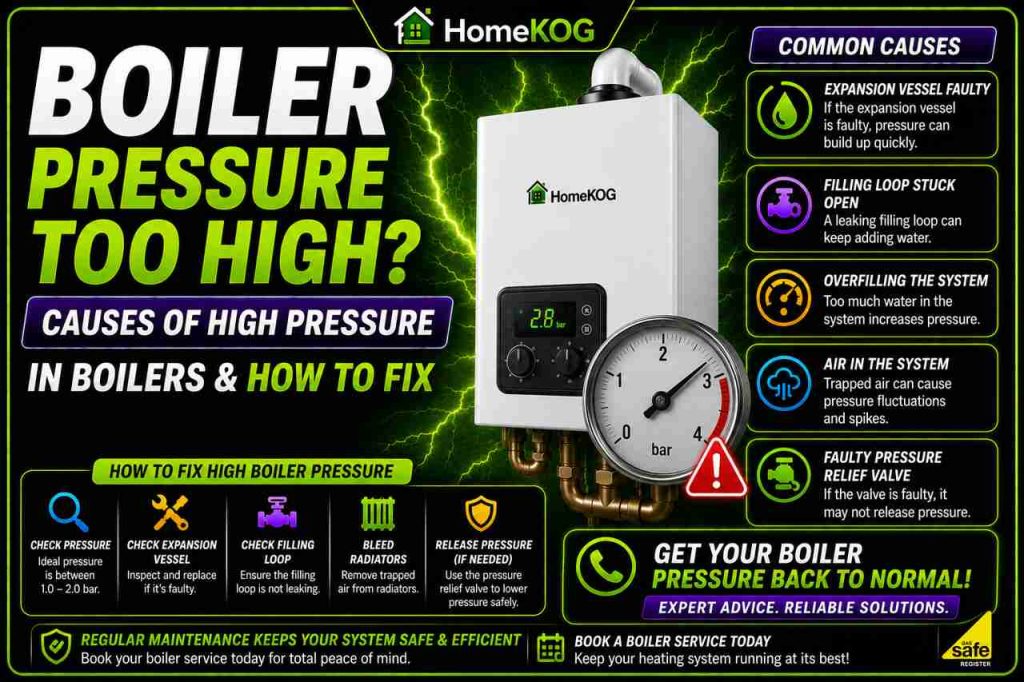
How to Reduce Boiler Energy Usage
- Lower the flow temperature slightly
- Service your boiler annually
- Upgrade to an A-rated model
- Use a programmable thermostat
Even small adjustments can reduce gas consumption significantly.
High Electricity Appliances Explained
Some appliances use large amounts of electricity due to how they operate.
Air Conditioners and Electric Heaters
Cooling and heating devices consume a lot of power because they regulate temperature.
Using them less frequently or improving insulation can make a noticeable difference.
Tumble Dryers
Tumble dryers are among the most expensive appliances to run.
They use high heat and long cycles, which increases electricity usage quickly.
Fridge Freezers
Fridge freezers run constantly, making them a steady contributor to energy bills.
Choosing an efficient model is key since they operate 24/7.
Everyday Appliances That Add Up
Smaller appliances still contribute to overall energy use.
TVs and Computers
These devices use moderate power but are often used for long periods.
Standby mode also wastes energy over time.
Dishwashers and Kettles
Dishwashers use energy per cycle, while kettles use short bursts of high power.
Boiling only what you need can reduce unnecessary usage.
How to Reduce Appliance Energy Costs
Improving energy efficiency doesn’t require major changes.
Simple Energy-Saving Steps
- Turn appliances off instead of leaving on standby
- Use eco modes on washing appliances
- Run full loads only
- Upgrade to energy-efficient models
- Improve insulation to reduce heating demand
- Reduce usage time where possible
These small changes can lead to noticeable savings over a year.
Understanding Energy Efficiency Ratings
Appliances in the UK are rated from A to G based on efficiency.
Higher-rated appliances use less energy for the same performance.
Why Ratings Matter
Choosing A-rated appliances reduces long-term costs.
Although they may cost more upfront, they save money over time.
Does Understanding Appliance Energy Use Help Predict Future Energy Prices?
Understanding appliance energy use plays a crucial role in economic forecasting. By analyzing consumption patterns, researchers can create models that inform future energy price predictions. These insights allow consumers and policymakers to make informed decisions, ensuring efficient energy use and better preparation for shifts in the energy market.
FAQs
How much electricity does a typical UK home use?
A typical UK household uses between 1,800 and 4,300 kWh of electricity annually. Smaller homes use less energy, while larger households with more appliances use more. Usage also depends on lifestyle, heating type, and efficiency of appliances.
Which appliance uses the most electricity?
Heating systems and cooling devices use the most energy. Gas boilers, electric heaters, and air conditioners are the biggest contributors. These appliances require high power to regulate temperature, making them the most expensive to run.
Do appliances use energy on standby?
Yes, appliances still consume electricity on standby. TVs, computers, and kitchen appliances continue drawing small amounts of power when not in use. Over time, this adds up and increases your energy bill unnecessarily.
Is it cheaper to run appliances at night?
Running appliances at night can be cheaper if you are on an off-peak tariff. Some energy providers offer lower rates during certain hours. However, for standard tariffs, the cost remains the same regardless of the time of use.
How can I reduce my appliance energy usage?
You can reduce energy usage by switching appliances off completely, using eco settings, running full loads, and upgrading to efficient models. Improving insulation also reduces heating demand, which lowers overall energy consumption.
Are new appliances more energy efficient?
Yes, modern appliances are designed to be more energy efficient. They use less electricity while delivering the same performance. Energy ratings help identify the most efficient options when purchasing new appliances.
Does boiling a full kettle waste energy?
Yes, boiling more water than needed wastes energy. Heating excess water requires more electricity, increasing costs. Only boiling the amount you need can reduce energy usage over time.
What is the cheapest appliance to run?
Small kitchen appliances like kettles and microwaves are relatively cheap to run when used efficiently. However, frequent use can still increase costs. Appliances with short usage times typically consume less energy overall.
Conclusion
Household appliances play a major role in your energy bills, especially in 2026 where costs remain high.
Heating systems, dryers, and cooling devices are the biggest contributors, while smaller appliances add up over time.
By understanding how much energy each appliance uses and making simple changes, you can reduce your bills without sacrificing comfort.