
Will Energy Prices Go Down in the UK?
Quick Answer
UK energy prices may ease gradually in 2026, but they are unlikely to return to pre-2021 levels soon. Wholesale costs have stabilised, yet supplier pricing, global demand, and infrastructure factors mean households should expect moderate fluctuations rather than a sharp drop in bills.
Energy bills have been a major concern for UK households since 2021. While there are signs of improvement, predicting exact price movements remains difficult due to global and domestic influences.
Understanding what drives energy costs can help you plan ahead and manage your bills more effectively.
Energy Price Entity Relationships
- Wholesale gas prices → influence → UK household energy bills
- Global demand → affects → energy supply availability
- Energy suppliers → purchase → energy in advance
- UK households → rely on → gas for heating and electricity
- Energy Price Cap → limits → unit price charges
- Renewable energy → reduces → reliance on fossil fuels
- Gas imports → support → UK energy supply
- Inflation → increases → energy costs and living expenses
- Insulation → reduces → household energy consumption
- Efficient boilers → lower → gas usage and bills
- Government schemes → support → vulnerable households
- Market volatility → drives → price fluctuations

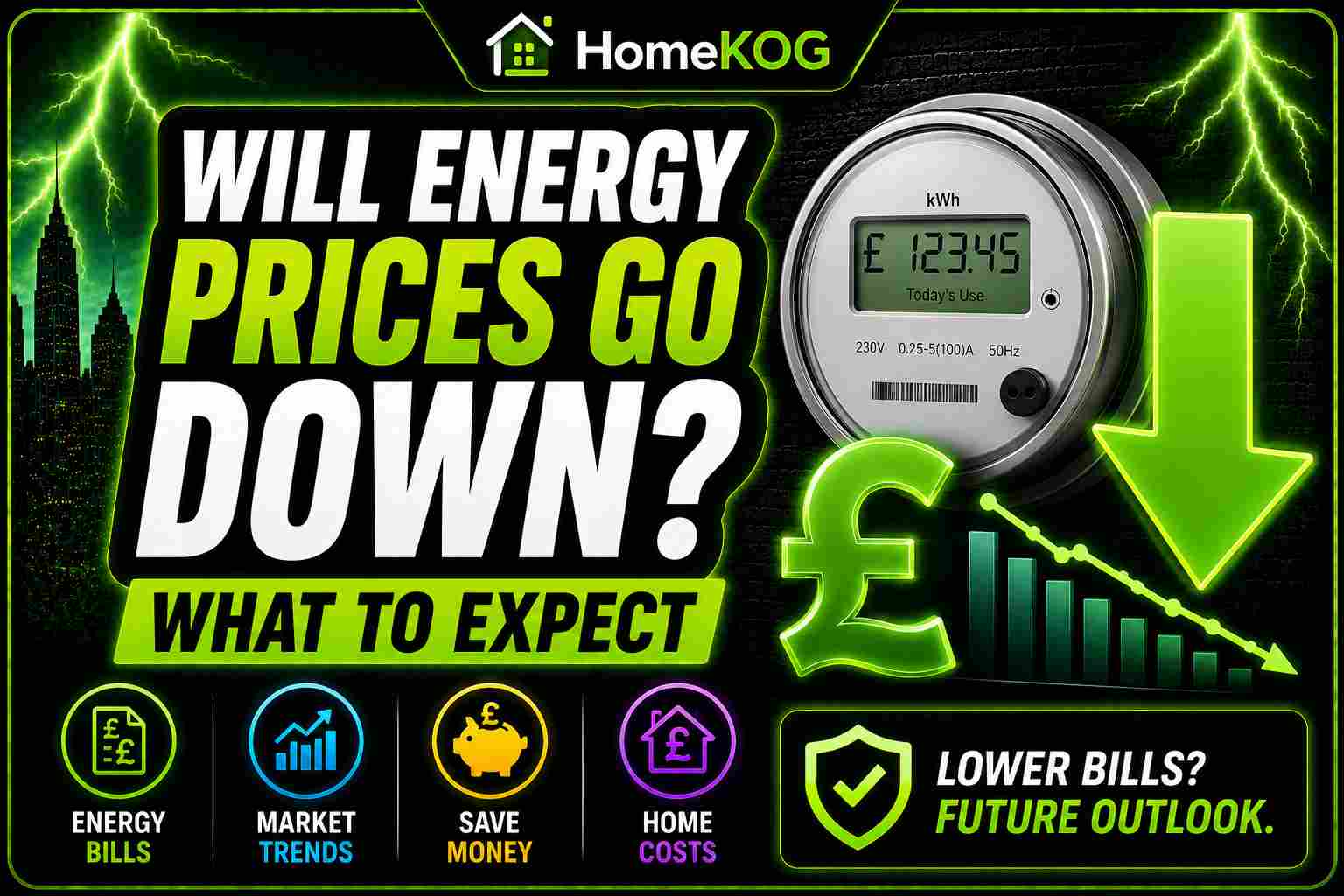
Will Energy Prices Go Down in 2026?
Energy prices in the UK have shown signs of stabilising compared to previous years. However, a full return to low-cost energy is unlikely in the short term.
Prices are expected to fluctuate rather than drop significantly.
H3: Current outlook
Wholesale gas prices have eased since their peak.
However, suppliers often buy energy in advance, meaning price reductions take time to reach consumers.
H4: What this means for households
You may see slight decreases or stabilisation in bills.
But long-term affordability still depends on market conditions and energy demand.
Why Have Energy Prices Been So High?
Several global and domestic factors have contributed to rising energy costs.
These pressures have affected both gas and electricity prices.
H3: Key causes explained
The global energy market has been heavily impacted by geopolitical events.
Supply shortages and increased demand have pushed prices higher.
The UK’s reliance on imported gas has also made it vulnerable to global price changes.
Lower renewable output during certain periods has increased reliance on fossil fuels.
Limited gas storage capacity has added pressure during peak demand seasons.
UK Energy Price Trends and Data
Energy costs have risen significantly over recent years.
The table below highlights key trends.
| Factor | Impact on Prices |
|---|---|
| Wholesale gas costs | Major driver of household bills |
| Global demand | Increases competition for supply |
| Supply disruptions | Causes price spikes |
| Energy imports | Links UK prices to global markets |
| Inflation | Raises overall energy costs |
These factors continue to influence pricing into 2026.
Government Support and Price Controls
The UK government has introduced measures to help households manage rising costs.
These schemes aim to limit the impact of price increases.
H3: Key support measures
The Energy Price Cap limits how much suppliers can charge per unit.
Financial support schemes have been provided to vulnerable households.
Seasonal payments help offset winter heating costs.
While helpful, these measures do not eliminate rising energy costs entirely.
Will Energy Prices Drop Long Term?
Over the long term, energy prices may become more stable.
However, several factors will shape future costs.
H3: Long-term influences
Investment in renewable energy could reduce reliance on gas.
Improved infrastructure may stabilise supply.
Global market conditions will continue to play a major role.
The transition to low-carbon energy will also impact pricing structures.
How to Reduce Your Energy Bills
Even if prices remain high, there are ways to lower your household energy costs.
H3: Practical steps to save money
- Improve home insulation to reduce heat loss.
- Upgrade to an energy-efficient boiler.
- Use a smart thermostat to control heating.
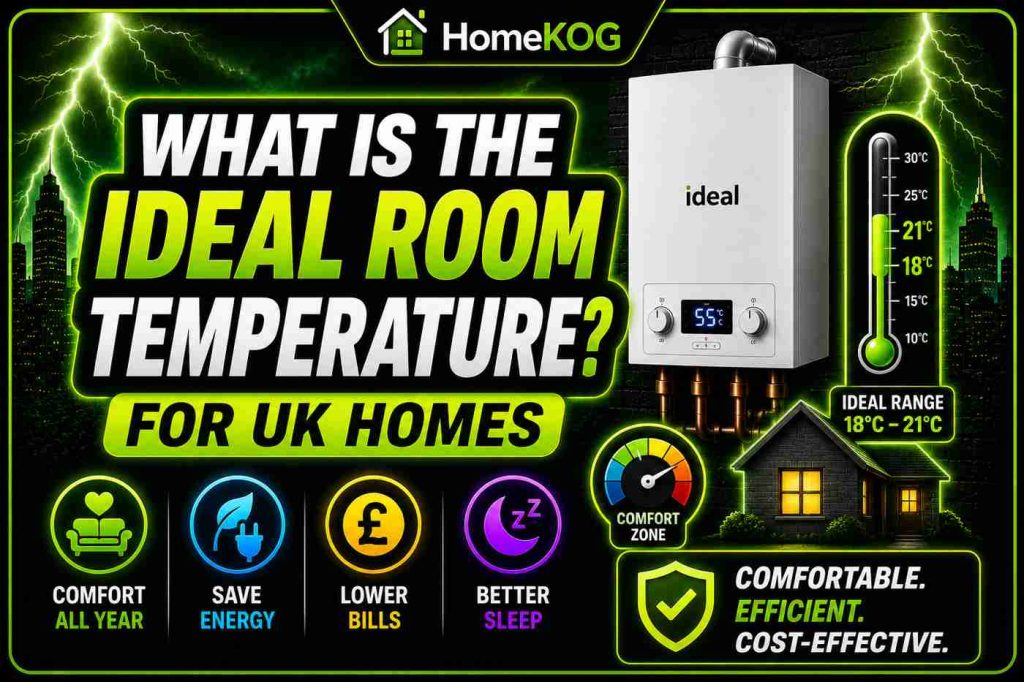
- Lower your thermostat by 1°C to cut usage.
- Switch to energy-efficient appliances.
Small changes can make a noticeable difference over time.
Energy Efficiency Savings Comparison
| Upgrade | Potential Saving Per Year |
|---|---|
| New A-rated boiler | Up to £800+ |
| Loft insulation | £200–£300 |
| Smart thermostat | £100–£150 |
| LED lighting | £40–£70 |
Improving efficiency is often the most reliable way to reduce bills.
How Do Energy Prices Affect Heating Costs When Using Radiators?
Energy prices play a crucial role in determining heating costs when using radiators. Higher energy costs directly inflate utility bills, making it essential for homeowners to understand their system. A comprehensive “radiator heating step guide” can help optimize efficiency and reduce expenses, ensuring comfort without breaking the bank.
FAQs
Will energy prices go down in the UK in 2026?
Energy prices in the UK may stabilise or slightly decrease in 2026 due to improved wholesale conditions. However, they are unlikely to fall dramatically because suppliers hedge prices in advance and global demand continues to influence costs.
Why are UK energy prices still high?
UK energy prices remain high due to global supply and demand pressures, reliance on imported gas, and infrastructure limitations. Even when wholesale prices fall, delays in supplier pricing mean households may not see immediate savings.
What is the Energy Price Cap?
The Energy Price Cap is a limit set by regulators on how much suppliers can charge per unit of gas and electricity. It helps protect consumers from excessive pricing but does not cap total bills, which depend on usage.
Will renewable energy reduce bills?
Renewable energy can reduce long-term costs by lowering reliance on imported fossil fuels. However, infrastructure investment and transition costs mean savings may take time to fully benefit households.
Is it worth fixing an energy tariff now?
Fixed tariffs can offer stability if prices rise again, while variable tariffs may be cheaper if prices fall. The best option depends on market trends and your preference for price certainty versus flexibility.
How can I lower my energy bills quickly?
You can lower energy bills by reducing heating usage, improving insulation, and using energy-efficient appliances. Simple actions like lowering your thermostat or turning off unused devices can provide immediate savings.
Do energy suppliers set their own prices?
Energy suppliers set tariffs based on wholesale market costs, operating expenses, and regulations like the Energy Price Cap. They often purchase energy in advance, which affects how quickly price changes reach consumers.
Will energy ever return to pre-2021 prices?
It is unlikely that energy prices will return to pre-2021 levels in the near future. Structural changes in the global energy market and increased demand mean prices may remain higher than historic lows.
Conclusion
Energy prices in the UK are showing signs of stabilising, but a significant drop is unlikely in the short term.
Global market conditions, supply challenges, and infrastructure will continue to influence costs throughout 2026 and beyond.
For most households, the best strategy is to focus on energy efficiency and smart usage to keep bills as low as possible while prices remain uncertain.