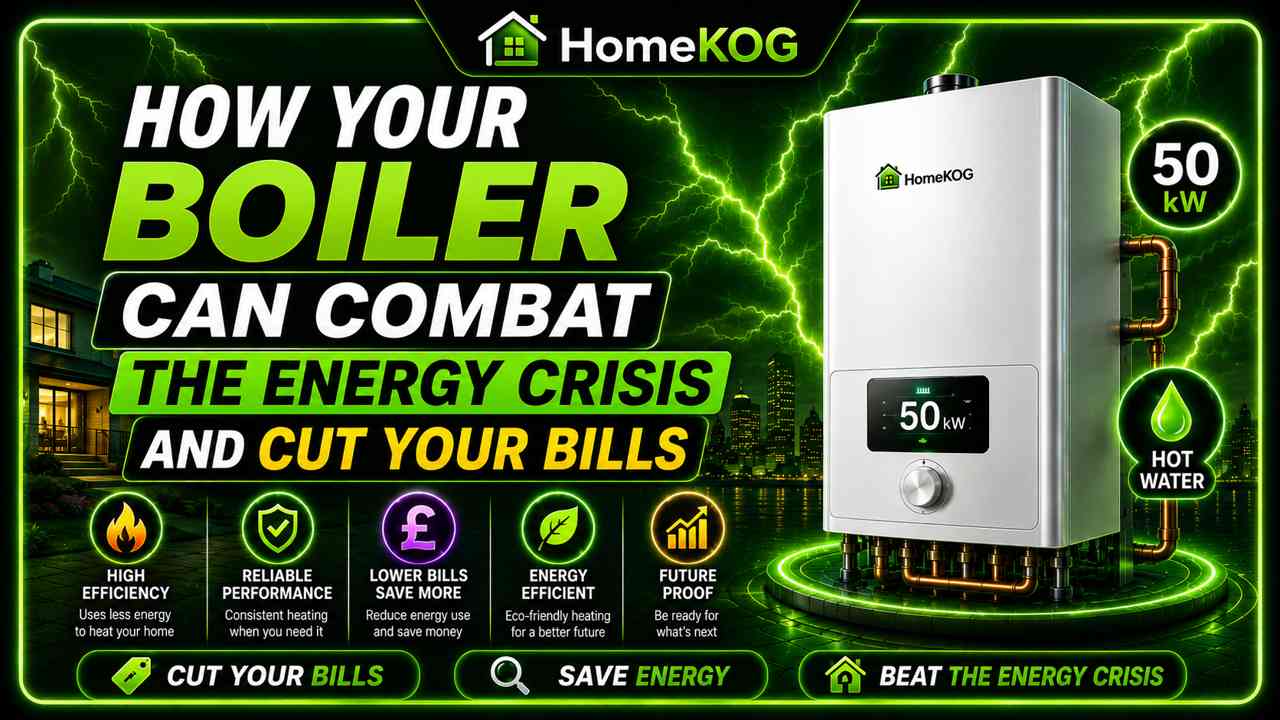

How Your Boiler Can Help Combat Rising Energy Costs and Cut Your Bills in 2026
Quick Answer: The Ofgem energy price cap for a typical dual-fuel household paying by Direct Debit is £1,641 per year from April to June 2026 — down 7% from the January to March 2026 level of £1,758, but still 35% above pre-energy crisis levels. The most effective ways to reduce your energy bills include lowering your boiler’s flow temperature, upgrading to a modern A-rated condensing boiler, and improving home insulation. A flow temperature reduction alone can cut heating costs by 6 to 8%.
Energy bills in the UK remain significantly higher than they were before the energy crisis of 2021 to 2023. While the price cap has fallen from its peak and is forecast to remain broadly stable through 2026, typical household bills are still more than a third above their pre-crisis levels. For most households, the boiler is the single largest energy consumer in the home, which makes it the most impactful place to focus when looking for ways to reduce costs. In addition to the boiler, the energy consumption of kitchen appliances also contributes significantly to household energy expenses. By upgrading to more energy-efficient models or adjusting usage patterns, families can further decrease their energy bills. As energy conservation becomes increasingly vital, it’s essential to consider all aspects of home energy use.
This guide explains what the current energy price situation means for UK households, and the practical steps you can take right now to lower your bills without sacrificing comfort.
Get a new boiler quote online here >
Key Facts: Energy Bills and Boiler Efficiency Relationships
- The Ofgem energy price cap is the maximum unit rate and standing charge that energy suppliers can charge customers on default tariffs, reviewed and updated quarterly.
- The energy price cap from April to June 2026 is set at £1,641 per year for a typical household paying by Direct Debit for gas and electricity, a 7% decrease from the January to March 2026 level of £1,758.
- Typical domestic consumption values used by Ofgem to calculate the price cap are 2,700kWh per year for electricity and 11,500kWh per year for gas.
- The average gas unit rate from April to June 2026 is 5.74 pence per kWh, and the average electricity unit rate is 24.67 pence per kWh, under the direct debit price cap.
- Despite recent reductions, typical household energy bills under the April 2026 price cap remain 35% higher than they were in winter 2021 to 2022.
- Boiler flow temperature is the temperature of the water as it leaves the boiler into the central heating circuit, and reducing it from 80°C to 60°C or below can cut heating bills by 6 to 8% with no loss of comfort in most homes.
- A condensing boiler is the legally required standard for all new gas boiler installations in the UK and achieves over 90% efficiency by recovering latent heat from flue gases — significantly more efficient than older non-condensing models.
- A hydrogen-blend ready boiler is the current standard for new boiler installations, designed to operate on a mixture of natural gas and up to 20% hydrogen as the UK gas network evolves.
- The ECO4 scheme is a government-backed programme that has required energy companies to fund heating upgrades in eligible low-income households, with the scheme running until March 2026.
- Fuel poverty is the condition in which a household must spend a disproportionate share of its income on energy to maintain an adequate temperature, and an estimated millions of UK households remain in or near fuel poverty despite recent price cap reductions.
- An EPC (Energy Performance Certificate) rating measures a property’s energy efficiency, and improving a home’s EPC rating through boiler upgrades and insulation reduces energy consumption and bills.
- Weather compensation is a boiler control system that automatically adjusts flow temperature in response to outdoor conditions, maximising efficiency savings without manual intervention.
What Is the Energy Price Cap in 2026?
The Ofgem energy price cap sets the maximum unit rate and standing charge that suppliers can apply to customers on default tariffs. It does not cap the total annual bill — the amount any household pays depends on how much energy they actually use. The cap is reviewed and updated every quarter.
From April to June 2026, the energy price cap is set at £1,641 per year for a typical household paying by Direct Debit — a reduction of 7% or £117 compared to the January to March 2026 level. Ofgem The average gas unit rate from April 2026 is 5.74 pence per kWh, and the average electricity unit rate is 24.67 pence per kWh. Ofgem
While this represents meaningful progress from the crisis peak, typical bills under the April to June 2026 price cap are still 35% higher than in winter 2021 to 2022. House of Commons Library For most households, energy remains a significant monthly expense, and the case for improving efficiency has not diminished with recent price reductions.
From April 2026, the government is cutting funding for some environmental and social schemes from energy bills and moving them to general taxation, with the predicted average household saving of around £150 per year as a result. Eon
Why Your Boiler Is Central to Reducing Energy Bills
The boiler accounts for the largest share of energy consumption in most UK homes — typically between 55% and 70% of the total annual energy bill. This means that even modest improvements to how the boiler operates can translate into meaningful reductions in monthly costs. Investing in energy-efficient upgrades, such as a modern boiler or improved insulation, can significantly enhance your home’s energy performance. As a result, homeowners not only reduce utility bills but also increase your home value with upgrades, making it more appealing to potential buyers. This strategic approach to home improvement ensures that your investment pays off both in comfort and market value.
The good news is that many of the most effective improvements are low-cost or free. Changing the flow temperature setting on the boiler, fitting thermostatic radiator valves, and adjusting the heating schedule all cost nothing and can deliver measurable savings from day one. In addition to these changes, homeowners should consider regular inspections to identify any potential issues before they escalate. Implementing boiler maintenance tips for homeowners can ensure optimal performance and extend the lifespan of the unit. Simple tasks like bleeding radiators and checking for leaks can make a significant difference in efficiency and safety. Additionally, homeowners should take the time to clean and inspect the boiler’s components regularly. This proactive approach can prevent breakdowns and reduce the likelihood of costly repairs. By following these boiler maintenance tips for homeowners, individuals can not only save money but also ensure a safe and comfortable living environment.
For households with older, less efficient boilers, upgrading to a modern A-rated condensing model offers the largest potential saving — both through improved efficiency and through the reduced frequency of expensive repair call-outs that older boilers generate.
The Most Effective Ways to Reduce Your Energy Bills Through Your Boiler
Lower the Flow Temperature
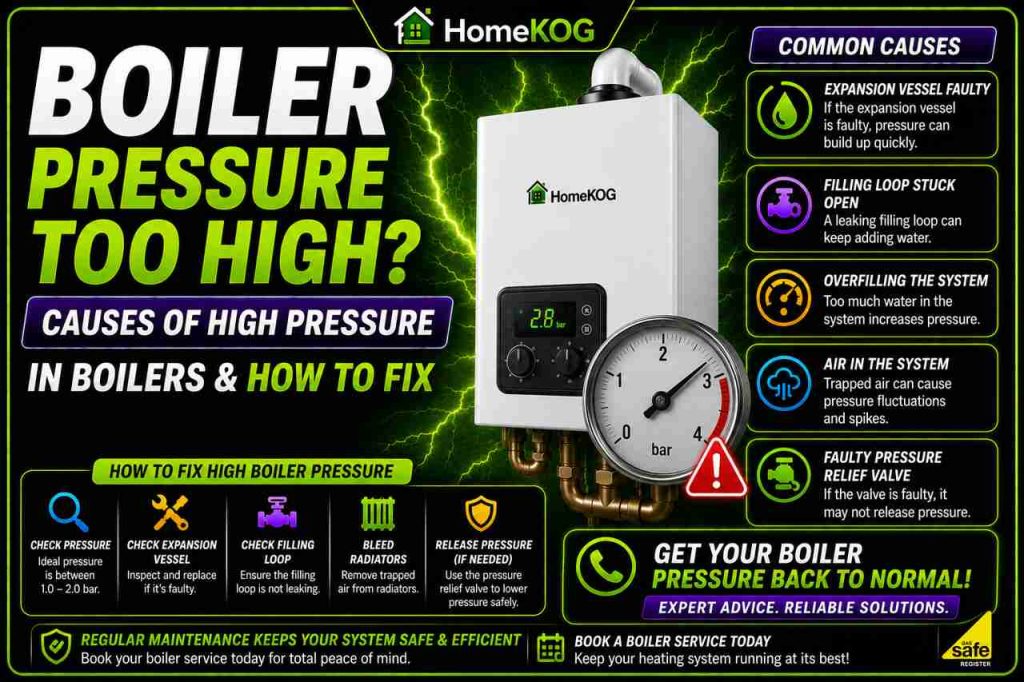
This is the single most impactful free action most homeowners can take right now. The flow temperature is the temperature the water reaches inside the boiler before it circulates to the radiators. Most boilers are factory-set to run at around 75 to 80°C — a setting that prevents them from operating in full condensing mode and delivering their best efficiency. Understanding how pressure release valve functions explained is essential for maintaining safety and efficiency in your heating system. When these valves operate correctly, they prevent excessive pressure buildup, which can lead to system failures or even dangerous situations. Regular maintenance of these components ensures optimal performance and extends the lifespan of your boiler.
Reducing the flow temperature to 60°C for properties built before 2010 — or to 50°C for newer, better-insulated homes — allows the boiler to enter condensing mode more consistently, recovering heat from the flue gases that would otherwise be wasted. This adjustment can reduce heating bills by 6 to 8% with no impact on comfort in the vast majority of homes.
The adjustment is made using the radiator dial on the boiler control panel and takes a matter of minutes. For most homeowners, this is the fastest route to a lower gas bill available in 2026.
Upgrade to a Modern A-Rated Condensing Boiler
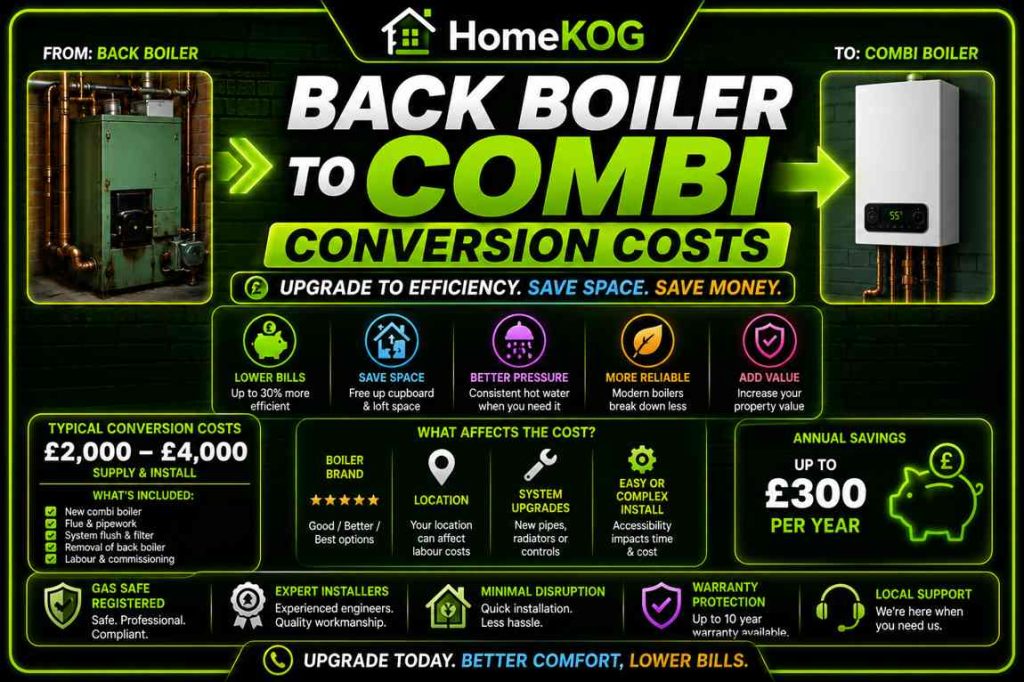
Older non-condensing boilers operate at efficiency levels of 70 to 80% at best. A modern A-rated condensing combi boiler achieves over 90% efficiency, with the best current models reaching 93 to 98%. The difference in fuel consumed to produce the same level of heat is substantial over a full heating season. understanding combi boiler benefits can lead to significant cost savings on energy bills over time. Not only do these modern systems provide efficient heating, but they also offer the convenience of hot water on demand, eliminating the need for separate water heaters. This results in a streamlined and more efficient home heating and hot water system.
For households whose boiler is more than ten years old, upgrading is likely to pay for itself through reduced gas bills over the medium term — while also providing the peace of mind of a new manufacturer warranty and significantly reduced risk of breakdown. A new hydrogen-blend ready condensing boiler is now the standard for all new installations, providing a degree of future-proofing as the UK’s gas network continues to evolve.
Use a Smart or Programmable Thermostat
A smart thermostat that is correctly programmed prevents the boiler from running when heating is not needed. Simply ensuring the heating is not on for longer than necessary — and is set to the right temperature for the time of day and occupancy of the home — can reduce annual gas consumption meaningfully. In addition to energy-efficient heating solutions, it’s important to consider home emergency cover explained to safeguard against unexpected repairs. This coverage can provide peace of mind, ensuring that urgent issues like plumbing leaks or electrical failures are addressed promptly. With the right emergency cover, homeowners can focus on maintaining a comfortable living environment without the stress of unforeseen costs.
Smart thermostats that support OpenTherm communication can also work with the boiler to modulate its output continuously, ensuring it uses only the energy needed to maintain the desired temperature rather than cycling between full output and off.
Consider Weather Compensation
Weather compensation takes the benefits of flow temperature reduction further by adjusting the boiler’s output automatically in response to outdoor temperature. On a mild day the boiler runs at a lower flow temperature; on a cold day it increases output accordingly. This keeps the home at a more consistent temperature while minimising fuel waste. For many homeowners, forgetting daylight saving time impacts the efficiency of their heating systems. When clocks change, the heating demand can shift unexpectedly, leading to over- or underheating. Implementing smart technology can help manage these adjustments seamlessly, ensuring comfort while optimizing energy usage throughout the year.
Weather compensation systems can reduce energy consumption by between 10% and 40% depending on the property and usage pattern, and are compatible with all modern condensing boilers.
Improve Home Insulation
The boiler’s efficiency is only part of the equation. A well-insulated home retains heat for longer, which reduces the amount of time the boiler needs to run to maintain a comfortable temperature. Around 50% of UK homes are currently rated below EPC C Energy UK, meaning there is significant potential across the housing stock for insulation improvements that would reduce heating demand.
Loft insulation, cavity wall insulation, and double or triple glazing all reduce heat loss through the building fabric. These improvements work alongside boiler efficiency measures rather than in competition with them — combining both produces the largest overall reduction in energy consumption and bills.
Understanding the Energy Price Cap and What It Means for Your Bills
The price cap sets a maximum on the unit rate suppliers can charge, not on the total amount a household pays. This means that using less energy — through improved boiler efficiency and better insulation — is the only reliable way to substantially reduce the actual bill, regardless of what happens to the cap itself.
The cap is reviewed quarterly by Ofgem. The price cap is currently forecast to remain at broadly its Q2 2026 level in the following quarter, though forecasts are uncertain and prices could change with global energy market conditions. House of Commons Library
Wholesale gas prices have fallen since their post-crisis high, and the April 2026 reduction is largely due to reductions in policy costs House of Commons Library rather than a fundamental change in the underlying cost of energy. The volatility that characterised the energy crisis period has reduced, but the structural factors that made UK energy bills expensive have not been fully resolved.
Improving the energy efficiency of your home — starting with the boiler — is the most durable protection against future price volatility, because it reduces the volume of energy consumed regardless of what the unit rate does next. Regular boiler safety inspections and maintenance are crucial to ensure your system operates safely and efficiently. Neglecting these important tasks can lead to costly repairs and safety hazards down the line. By prioritizing this aspect of home care, you not only protect your investment but also contribute to a more sustainable energy usage. Addressing back boiler safety concerns for homeowners is essential to prevent potential accidents and ensure peace of mind. Investing in proper safety features and adhering to maintenance schedules can help mitigate risks associated with heating systems. Homeowners should also stay informed about any recalls or updates related to their boiler models to ensure maximum safety.
Current Energy Price Cap Rates at a Glance — 2026
| Period | Typical Annual Bill (Direct Debit) | Gas Unit Rate | Electricity Unit Rate |
|---|---|---|---|
| January–March 2026 | £1,758 | 5.93p/kWh | 27.69p/kWh |
| April–June 2026 | £1,641 | 5.74p/kWh | 24.67p/kWh |
| Pre-energy crisis (Winter 2021/22) | Approx. £1,200 | Significantly lower | Significantly lower |
Are There Grants or Financial Support Available?
The ECO4 scheme — which required energy companies to fund heating and insulation upgrades in eligible low-income and fuel-poor households — ran until March 2026. For households that qualified, the scheme provided access to fully funded or heavily subsidised boiler replacements and insulation improvements.
Beyond ECO4, the Boiler Upgrade Scheme continues to offer grants towards the installation of heat pumps and other low-carbon heating technologies for eligible homeowners who want to move away from gas boilers entirely. Grant values vary by technology — air source heat pumps and ground source heat pumps both attract government support under this programme.
For households on means-tested benefits struggling with energy bills, the Warm Home Discount provides a reduction on electricity bills, and the Winter Fuel Payment continues to support pensioners with heating costs. Contacting an energy supplier directly to ask about available support is always a worthwhile starting point for any household finding bills difficult to manage.
What About the Future of Gas Boilers?
New build homes in the UK are no longer permitted to install fossil fuel boilers under the Future Homes Standard, which requires new properties to be built to a specification producing 75 to 80% less carbon than homes built under previous standards. For the millions of existing properties already fitted with gas boilers, however, a like-for-like gas boiler replacement remains entirely legal and is the most practical option for the majority of households in 2026. As homeowners consider their options, awareness of gas boiler regulations for 2026 will be crucial in making informed decisions about energy efficiency and future-proofing their properties. Many will need to explore alternatives that align with the latest environmental standards, while still ensuring comfort and reliability in their heating systems. Transitioning to more sustainable heating solutions could also contribute to long-term savings and lower carbon footprints.
All new boilers installed today are hydrogen-blend ready, meaning they are designed to operate on a mixture of natural gas and up to 20% hydrogen. This prepares them for potential changes to the composition of the gas supply network as the UK progresses towards its long-term decarbonisation goals.
The most energy-efficient and future-ready approach for any household replacing a boiler in 2026 is to choose an A-rated hydrogen-blend ready condensing model, pair it with a smart thermostat and thermostatic radiator valves, set the flow temperature correctly, and ensure the home’s insulation is as good as the budget allows.
Frequently Asked Questions
What is the energy price cap in 2026?
The Ofgem energy price cap from April to June 2026 is set at £1,641 per year for a typical household paying by Direct Debit for gas and electricity — a reduction of 7% or £117 from the January to March 2026 level of £1,758. Ofgem The cap sets a maximum unit rate rather than a total bill limit, so the amount any household actually pays depends on their energy consumption. The cap is reviewed quarterly and can change in either direction depending on wholesale energy market conditions.
How can my boiler help reduce my energy bills in 2026?
The most immediate and cost-free action is to lower the boiler’s flow temperature to 60°C or below — this allows the boiler to operate in condensing mode more consistently and can reduce heating bills by 6 to 8%. Fitting thermostatic radiator valves, using a programmable or smart thermostat, and considering a weather compensation system all add further savings. For households with older boilers, upgrading to a modern A-rated condensing model offers the largest potential reduction in gas consumption.
Are energy bills still high in 2026 compared to before the crisis?
Yes. Despite the reductions since the crisis peak, typical household bills under the April 2026 price cap remain 35% higher than they were in winter 2021 to 2022. House of Commons Library While conditions have improved considerably from the peak of the crisis in 2022 to 2023, the underlying cost of energy remains elevated relative to the pre-crisis baseline, making efficiency improvements more financially worthwhile than they were before the crisis began.
Should I replace my gas boiler in 2026?
If your gas boiler is more than ten years old, is regularly requiring repairs, or is underperforming in terms of efficiency, replacing it with a modern A-rated condensing model is worth considering seriously. A new boiler will be more efficient, will carry a full manufacturer warranty, and is hydrogen-blend ready as standard. For most existing properties in 2026, a gas boiler replacement is entirely legal and practical. New build properties are subject to different requirements under the Future Homes Standard.
What is the best way to reduce my gas bill right now?
The fastest free action is to lower the boiler flow temperature from its factory setting of around 75 to 80°C down to 60°C for homes built before 2010, or 50°C for newer properties. This can be done in minutes using the radiator dial on the boiler’s control panel and can reduce heating bills by 6 to 8%. Other effective steps include fitting or upgrading to a smart thermostat, improving home insulation, and having the boiler serviced annually to ensure it is operating at its rated efficiency.
What is fuel poverty?
Fuel poverty describes the situation in which a household has to spend a disproportionately high share of its income on energy in order to maintain an adequate temperature. Despite improvements since the height of the energy crisis, a significant number of UK households remain in or near fuel poverty in 2026. If you are struggling to pay energy bills, contacting your energy supplier is the recommended first step — suppliers are required to offer support including repayment plans, and a Debt Relief Scheme was launched in early 2026 to assist around 195,000 households claiming means-tested benefits.
What is a hydrogen-ready boiler and do I need one?
A hydrogen-ready boiler is a gas boiler designed to operate on a mixture of natural gas and up to 20% hydrogen, and is now the standard specification for all new boiler installations in the UK. You do not need to replace your existing boiler simply because hydrogen-ready models are now available, but if your boiler requires replacement, choosing a hydrogen-ready model provides a degree of future-proofing as the UK’s gas supply network potentially evolves. All major boiler manufacturers now offer hydrogen-blend ready models across their ranges.
Conclusion
Energy bills in 2026 remain significantly elevated compared to the pre-crisis period, even as the price cap has eased from its peak. For UK households, improving the efficiency of the central heating system — starting with the boiler — remains the most effective and durable way to reduce the amount spent on energy each month.
The actions available range from the free and immediate — lowering the boiler flow temperature — to the more substantial, such as upgrading an older boiler or improving home insulation. Each measure delivers ongoing savings every month for the life of the improvement, providing protection against future price volatility that no change to the price cap can guarantee.
An annual boiler service keeps the system operating at its rated efficiency, extends the boiler’s working life, and identifies developing faults before they become costly breakdowns. For any household looking to reduce their energy bills in 2026, it is the most important single maintenance investment available. When considering system boiler installation costs, homeowners should also factor in potential long-term savings from energy efficiency. Investing in a new system can significantly lower heating expenses, particularly in an era of rising energy prices. Additionally, a well-installed system can enhance overall home comfort and reduce the likelihood of unexpected repairs. Having an ideal boiler maintenance checklist is crucial for ensuring that all necessary tasks are completed during service visits. Regularly reviewing this checklist can help maintain peak performance and prevent any potential issues from escalating. Homeowners should prioritize routine inspections and address any maintenance items to safeguard their investment and enhance system reliability.