
Vaillant F29 Fault Code: Meaning, Causes & How to Fix It
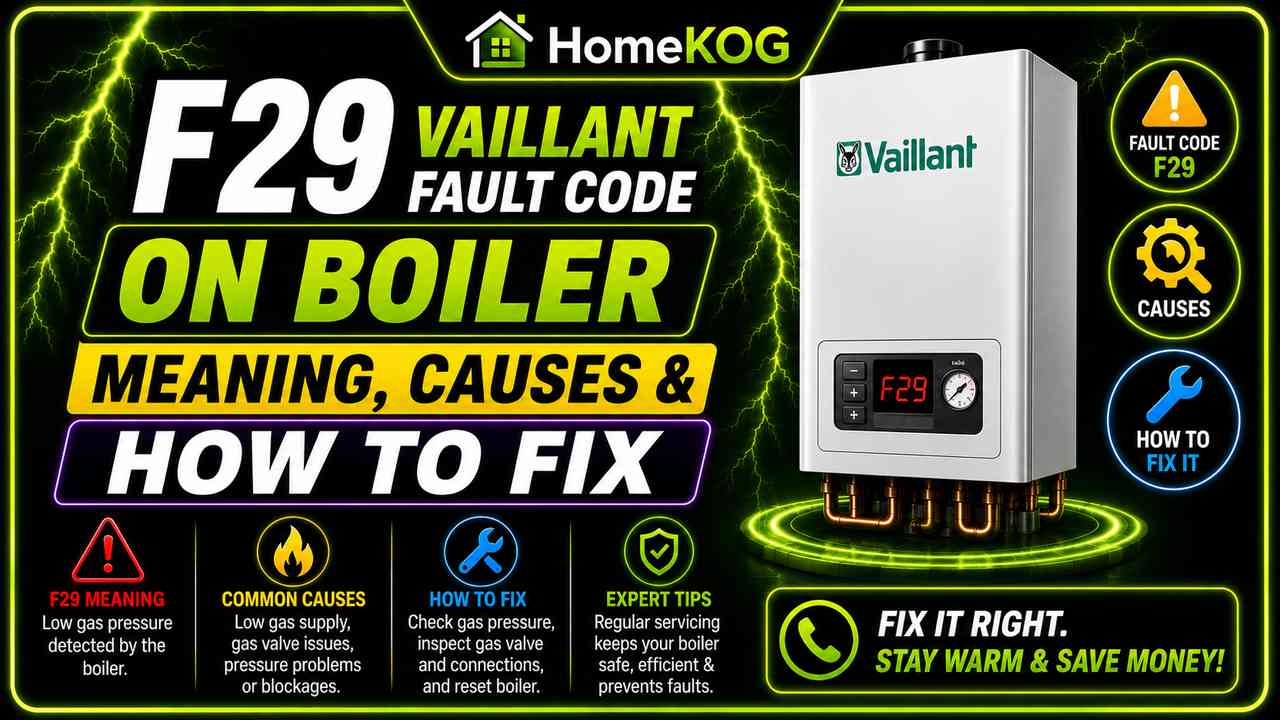
Quick Answer: The Vaillant F29 fault code indicates flame failure — the boiler has attempted to ignite but cannot maintain a stable flame, resulting in a safety lockout. It appears on Vaillant ecoTEC models and is most commonly caused by a frozen condensate pipe, a gas supply problem, a blocked flue, or a faulty ignition electrode. A frozen condensate pipe can be resolved by the homeowner; all other causes require a Gas Safe registered engineer. For those experiencing issues with a vaillant f76 boiler fault solutions may vary depending on the specific symptoms presented. Common troubleshooting steps include checking the power supply and ensuring the thermostat is set correctly. If the problem persists, it’s advisable to consult a professional for a comprehensive evaluation and repair.
A Vaillant boiler displaying the F29 code has not failed permanently — it has shut itself down because something prevented it from establishing or holding a flame safely. Understanding what that something is determines whether you can restore heating quickly yourself or whether an engineer is needed. Either way, acting on the fault promptly rather than leaving the boiler repeatedly attempting ignition is the right approach. When dealing with vaillant f75 fault code solutions, it’s essential to consult the user manual for specific guidance tailored to your model. Additionally, checking for common issues such as air in the system or an obstruction in the flue can often lead to a quick resolution. By following these steps, you may find a simple fix that restores your boiler’s functionality without the need for professional help. If you encounter the F83 vaillant boiler fault explanations, it may indicate a problem with your heating system’s circulation or sensor performance. Addressing these issues swiftly is crucial to ensure your home remains warm and comfortable. Always consult the manufacturer’s guidelines or a professional if you’re unsure how to proceed.
Vaillant F29 Fault Code: Key Entity Relationships
- The Vaillant F29 fault code is a flame failure error displayed on Vaillant ecoTEC boilers when the appliance cannot establish or sustain a burner flame during the ignition sequence, resulting in a safety lockout that prevents further ignition attempts.
- Flame failure is the condition in which a Vaillant ecoTEC boiler’s ignition sequence does not produce a sustained flame detectable by the flame sensor, causing the boiler to lock out and display the F29 code as a safety precaution.
- A frozen condensate pipe is the most common cause of the Vaillant F29 fault code in cold weather, occurring when the plastic waste pipe carrying acidic condensate from the boiler to an external drain freezes solid and blocks the discharge pathway.
- A condensate pipe is a plastic external pipe required on all condensing boilers that carries acidic wastewater produced during the condensing cycle away from the appliance, with freezing of this pipe during cold spells a frequent trigger for F29 lockout on Vaillant ecoTEC models.
- A gas valve is the appliance-specific valve within the Vaillant ecoTEC boiler that controls gas flow to the burner, with a faulty, blocked, or incorrectly adjusted valve preventing adequate gas supply and causing the flame failure that triggers the F29 code.
- The boiler burner is the combustion component within the Vaillant ecoTEC that mixes gas and air to produce the flame that heats the system water, with debris accumulation reducing inlet gas pressure and causing ignition failure over time.
- A flue pipe is the ducted exhaust system that removes combustion gases from the Vaillant ecoTEC boiler to the outside of the property, with blockages or incorrect installation disrupting airflow and preventing stable combustion, triggering the F29 lockout.
- An ignition electrode is the component that produces the electrical spark initiating combustion in the Vaillant ecoTEC boiler, with worn, corroded, or moisture-damaged electrodes causing inconsistent or absent ignition and the resulting F29 flame failure code.
- The Vaillant ecoTEC is a range of condensing combi and system boilers manufactured by Vaillant on which the F29 fault code is specifically used to indicate flame failure during the ignition or combustion cycle.
- A Gas Safe registered engineer is the legally required professional for any internal Vaillant boiler inspection or repair work related to the F29 fault, including gas valve replacement, burner cleaning, flue inspection, and ignition electrode assessment.
- Annual Vaillant boiler servicing by a Gas Safe registered engineer reduces the likelihood of F29 fault appearances by identifying burner debris accumulation, valve calibration drift, and ignition component wear before they cause a flame failure lockout.
- An internal boiler water leak can cause damage to ignition electrodes and electrical wiring within a Vaillant ecoTEC boiler, making leak identification and repair an important part of the F29 diagnostic process when electrical ignition components are found to be faulty.

What Does the Vaillant F29 Fault Code Mean?
The F29 code on a Vaillant ecoTEC boiler means flame failure. During a normal ignition sequence, the boiler opens the gas valve, produces a spark via the ignition electrode, and the flame sensor confirms to the control board that a stable flame has been established. When that confirmation does not arrive — because no flame formed, or because a flame formed but could not be maintained — the boiler enters lockout and displays F29. When considering heating systems, Worcester Bosch boiler advantages include reliability and efficiency, making them a popular choice among homeowners. These boilers are designed with advanced technology that enhances performance while minimizing carbon emissions. Additionally, Worcester Bosch boilers often come with comprehensive warranties, providing peace of mind for users.
This is a safety response built into the appliance to prevent unburnt gas from accumulating in the combustion chamber. The boiler will not attempt further ignition cycles while in lockout, and the fault will not clear without a manual reset once the underlying cause has been resolved.
The F29 code is distinct from faults that prevent ignition at the mechanical level, such as pressure loss. It specifically relates to the combustion process — gas reaching the burner, air mixing correctly, a spark being produced, and a flame being detected. A failure at any point in that chain produces the F29 lockout. In contrast, the vaillant f27 fault code explained indicates an issue related to the temperature of the water being heated or the system’s overall functionality. This can arise from a number of factors, including sensor failures or blockages in the system that prevent proper operation. Addressing these issues promptly is crucial to ensure the boiler operates efficiently and safely.
Common Causes of the Vaillant F29 Fault Code
Frozen Condensate Pipe
A frozen condensate pipe is the most frequent cause of the F29 code during cold weather and one of the few causes homeowners can resolve without professional help. All condensing boilers installed since 2005 produce acidic wastewater as a by-product of their efficiency process. This condensate is discharged through a plastic pipe that typically exits through an external wall and connects to a household drain.
When outdoor temperatures fall sharply, the water within the external section of this pipe can freeze. The resulting blockage prevents the boiler from discharging condensate, causing a lockout that on Vaillant ecoTEC models frequently presents as F29. Gurgling sounds from the boiler immediately before shutdown and no response to ignition attempts are the typical accompanying signs.
Locate the white or grey plastic condensate pipe where it exits the property — it is usually found close to the boiler, near ground level. Apply warm water to the frozen section using a watering can, a warm damp cloth, or a hot water bottle. Do not use boiling water, as the temperature differential can crack the plastic pipe. Once the blockage has thawed and water flows freely through the pipe, reset the boiler and it should reignite normally.
If the condensate pipe freezes repeatedly, insulating the external section of the pipe is a straightforward and inexpensive preventive measure worth arranging after the immediate fault is resolved.
Gas Supply Issues
If the boiler has insufficient gas to sustain combustion, flame failure is the inevitable result. Before assuming an internal fault, confirm that gas is reaching the property by testing another gas appliance — a gas hob, fire, or separate boiler on the same supply. If other appliances operate normally, the supply is live and the issue is likely internal to the boiler or its gas circuit.
A faulty or incorrectly adjusted gas valve within the boiler is one of the more common internal gas supply causes of F29. The valve controls gas flow to the burner and must open correctly and deliver gas at the right pressure for a stable flame to form. A valve that is stuck, worn, or out of calibration delivers insufficient gas and the resulting flame either does not establish or extinguishes immediately after ignition. Another common issue that can trigger F54 Vaillant fault code solutions is related to the thermistor, which is responsible for detecting the temperature of the water within the system. If the thermistor is malfunctioning, it may send incorrect signals to the control unit, leading to heating inconsistencies or shutdowns. Addressing these components is essential for ensuring optimal boiler performance and preventing further errors.
Debris accumulation on or around the burner can also reduce inlet gas pressure over time, preventing the correct gas-air mixture from forming and causing the flame to fail. In a well-serviced boiler this is unlikely, but in appliances that have not received an annual service for several years it becomes increasingly probable.
Gas valve work and burner inspection and cleaning must be carried out by a Gas Safe registered engineer. Neither task is within the scope of homeowner maintenance, and both carry significant safety risks if approached without the appropriate qualifications and equipment.
Blocked or Incorrectly Installed Flue
The flue is the exhaust system that carries combustion gases out of the boiler and away from the property through a duct in the roof or wall. A flue that is partially or fully blocked — by debris, nesting material, or physical damage — restricts the airflow that correct combustion depends on. Without adequate airflow, the gas-air mixture at the burner cannot sustain a flame, and the F29 code follows.
An incorrectly installed flue creates a similar problem. A flue that was not fitted to the manufacturer’s specification, or one that has become partially dislodged over time, may allow wind to interfere with combustion in a way that causes intermittent or persistent flame failure. This is a particularly common presentation in windy weather, where the F29 code appears on cold, gusty days and clears temporarily when conditions improve.
Flue blockages and installation faults must be assessed and rectified by a Gas Safe registered engineer. An engineer can clear obstructions, check the installation against Vaillant’s flue specification, carry out any necessary repairs or reinstallation work, and fit a flue guard if required to prevent future blockages from external sources. To ensure optimal performance, it’s crucial to understand the common issues associated with heating systems, such as the vaillant f25 fault code explained. This particular code indicates a potential problem with the boiler’s flame detection or control, which can lead to heating interruptions if not addressed promptly. Regular maintenance and prompt attention to such faults can significantly extend the lifespan of the heating system.
Faulty Ignition Electrode or Internal Water Leak
The ignition electrode produces the spark that initiates combustion. Over time the electrode and its associated ignition leads wear through normal use, and the spark they produce becomes less consistent and eventually insufficient to reliably ignite the gas at the burner. Moisture ingress — most commonly from an internal boiler water leak — accelerates this process and can cause sudden electrode failure.
If a water leak is found to be the cause of ignition component damage, the source of the leak must be identified and repaired before the electrode or leads are replaced. Fitting new ignition components without addressing an active leak means the replacement parts will be exposed to the same damaging conditions and the fault is likely to recur.
Internal leak diagnosis and ignition component replacement are both tasks that require a Gas Safe registered engineer. Attempting to identify or repair internal water leaks or electrical ignition components without the appropriate qualifications creates a genuine safety risk.
How Much Does It Cost to Fix a Vaillant F29 Fault?
Repair costs vary depending on the cause identified during the engineer’s diagnostic visit. Thawing a frozen condensate pipe is a task a homeowner can complete at no cost. Gas valve adjustment, ignition electrode replacement, and burner cleaning represent progressively higher repair costs, with a new burner installation reaching up to approximately £450 depending on the model. Flue repair or reinstallation costs vary based on the nature of the problem and the access required.
Where an internal water leak has caused collateral damage to multiple components, the cumulative repair cost on an older boiler may make replacement the more financially sensible course of action. A Gas Safe engineer who has assessed the fault will give you a clear repair estimate before any work proceeds, allowing you to make a properly informed decision. When considering the replacement of an older system boiler, it’s essential to also evaluate the system boiler installation costs, as these can vary significantly based on the complexity of the installation. Additionally, factors such as the type of boiler you choose and any necessary modifications to existing plumbing can impact the overall expense. Understanding these costs upfront will help you budget effectively and ensure that the transition to a new system is as smooth as possible.
FAQ: Vaillant F29 Fault Code
What does the Vaillant F29 fault code mean?
The Vaillant F29 fault code indicates flame failure on a Vaillant ecoTEC boiler. The appliance has attempted to ignite but was unable to establish or maintain a stable burner flame, triggering a safety lockout that prevents further ignition attempts until the fault is cleared and the boiler is manually reset. Common causes include a frozen condensate pipe, a gas supply problem, a blocked or incorrectly installed flue, and a faulty ignition electrode. Some causes can be resolved by the homeowner; most require a Gas Safe registered engineer. When dealing with Vaillant F22 fault code solutions, it’s essential to first identify the underlying issue that has caused the fault. Similar to the F29 error, a thorough inspection of the boiler’s components should be conducted to ensure there are no blockages or faults in the gas supply. Addressing these common problems can often lead to a quick resolution, allowing the boiler to function safely and efficiently once again. If you’re facing issues with the Vaillant F23 fault code solutions, it’s essential to first identify the underlying cause. Regular maintenance, such as checking the gas supply and ensuring proper ventilation, can help mitigate these problems. Consulting a professional familiar with Vaillant systems can provide you with effective strategies to resolve these issues quickly and safely. It is also important to understand vaillant f24 fault code solutions, which may help diagnose and resolve other issues related to boiler performance. Homeowners should familiarize themselves with these fault codes to enhance their understanding of the appliance’s functionality. Proper maintenance and timely troubleshooting can prevent the recurrence of such faults, ensuring efficient operation of the heating system.
Can I fix the Vaillant F29 fault code myself?
The only element of the F29 fault a homeowner should attempt to resolve independently is a frozen condensate pipe. Applying warm water to the frozen external section of the pipe thaws the blockage and, once the boiler is reset, typically restores normal operation. All other causes — including gas valve faults, burner debris, flue blockages, and ignition electrode replacement — require a Gas Safe registered engineer. Attempting to diagnose or repair internal gas or ignition components without the appropriate qualifications is both illegal in the context of gas work and genuinely dangerous. In the case of any fault codes that are displayed, including the ideal f1 fault code explained, it’s essential to consult the manufacturer’s guidance or a qualified technician. Understanding these codes can help homeowners know what issues might be present but should not replace professional advice. It’s prudent to act cautiously and prioritize safety when dealing with any unfamiliar boiler problems.
How do I fix a frozen condensate pipe causing the Vaillant F29 code?
Locate the condensate pipe where it exits the property — a white or grey plastic pipe near the base of the external wall close to the boiler. Apply warm water to the frozen section using a watering can, warm cloth, or hot water bottle. Avoid boiling water, which can crack the pipe. Once the blockage clears and water flows freely, reset the Vaillant boiler using the reset function on the control panel. The boiler should reignite normally once the condensate can discharge freely. If freezing recurs, insulating the external pipe section prevents a repeat.
What causes flame failure on a Vaillant ecoTEC boiler?
Flame failure on a Vaillant ecoTEC boiler results from any condition that prevents the burner from establishing or sustaining a stable flame. The most common causes are a frozen condensate pipe blocking discharge, a faulty or incorrectly adjusted gas valve reducing gas flow to the burner, debris accumulation on the burner affecting the gas-air mixture, a blocked or incorrectly installed flue disrupting combustion airflow, and worn or moisture-damaged ignition electrodes producing an inconsistent or absent spark. An internal water leak can accelerate damage to electrical ignition components and contribute to flame failure on older appliances. Understanding vaillant boiler installation costs explained can help homeowners prepare for any potential repairs and maintenance necessary for their systems. It’s essential to factor in these costs when considering the overall efficiency and longevity of your heating system. By investing in proper installation and regular maintenance, you can minimize the risk of issues that lead to flame failure and ensure reliable performance year-round.
How do I reset my Vaillant boiler after an F29 fault?
The boiler should only be reset after the underlying cause of the F29 fault has been identified and resolved. Resetting without addressing the cause will result in the code returning immediately or after a brief ignition attempt. Once the fault has been rectified — by thawing the condensate pipe or following an engineer’s repair — use the reset button on the Vaillant ecoTEC control panel to clear the lockout. The reset procedure varies slightly between ecoTEC models; consult the boiler manual for the specific button location on your appliance if it is not immediately visible. In addition to the F29 error, users may encounter the F28 Vaillant fault code explanation, which often indicates issues with the ignition sequence. Understanding this fault code is crucial for addressing heating issues effectively, as it may stem from a gas supply problem or a faulty component in the boiler. Always ensure proper diagnostics are performed to determine the exact cause before proceeding with repairs.
How much does it cost to repair a Vaillant F29 fault?
Repair costs depend on the identified cause. Thawing a frozen condensate pipe can be done by the homeowner at no cost. Ignition electrode replacement and burner cleaning are mid-range repairs. A full burner replacement costs up to approximately £450 including labour. Gas valve replacement and flue repair costs vary based on the extent of the work required. Where an internal leak has caused multiple component failures on an older boiler, the combined repair cost may make a new boiler installation the more cost-effective decision — an assessment your Gas Safe engineer can help you make.
How can I prevent the Vaillant F29 fault code from recurring?
Annual servicing by a Gas Safe registered engineer is the most effective preventive measure. A Vaillant service includes inspection and cleaning of the burner, assessment of gas valve calibration, ignition electrode condition checks, and flue inspection — the components most commonly responsible for F29 faults. Insulating the external condensate pipe reduces the risk of freezing during cold spells. Addressing any internal water leaks promptly prevents moisture damage to ignition components. These routine maintenance steps significantly reduce the likelihood of flame failure causing a mid-winter lockout. In addition to regular servicing, having a vaillant f26 fault code troubleshooting guide can be invaluable for identifying specific issues that may arise during operation. This guide facilitates quick diagnostics and offers step-by-step solutions, ensuring that users can efficiently resolve problems without unnecessary delays. Moreover, familiarizing oneself with common fault codes enhances overall system reliability, providing peace of mind during colder months.
Does the Vaillant F29 fault mean I need a new boiler?
In most cases, no. The F29 fault code indicates a flame failure condition that is repairable in the majority of instances, whether the cause is a frozen condensate pipe, a gas valve fault, or a worn ignition electrode. Replacement becomes the more appropriate consideration when the fault is caused by a serious internal failure — particularly where a water leak has caused widespread component damage — on a boiler that is already 10 years old or more. A Gas Safe engineer’s diagnostic assessment will give you a clear picture of the repair cost and honest guidance on whether repair or replacement represents the better long-term investment.
Conclusion
The Vaillant F29 fault code is a clear and specific signal that the boiler’s combustion process has broken down at some point in the ignition or flame maintenance sequence. In cold weather, checking for a frozen condensate pipe first is always worthwhile — it is the most common cause, it is safe to address without professional help, and it can restore heating within minutes. If the issue persists, it is also important to consult the vaillant f61 fault code troubleshooting tips to identify any additional problems that may not be immediately apparent. These tips often include checking the boiler’s pressure and ensuring that all components are functioning correctly. Addressing these issues promptly can help restore efficient operation and prevent further breakdowns.
For all other causes, a Gas Safe registered engineer is the correct first call. Gas valve work, burner inspection, flue assessment, and ignition component replacement are tasks that require both the technical expertise and the legal authorisation that Gas Safe registration provides. Annual servicing remains the most reliable way to prevent the component deterioration and debris accumulation that make F29 faults more likely — keeping the ecoTEC firing reliably through the months when dependable heating matters most.