
How Do Boiler Installation Costs in Edinburgh Compare to Oil Boiler Service Costs?
When considering home heating options, understanding the 2026 boiler installation expenses in Edinburgh is crucial. These costs can vary significantly compared to traditional oil boiler services, which often involve ongoing maintenance fees. Potential homeowners should evaluate both installation costs and long-term service expenses to make an informed decision.
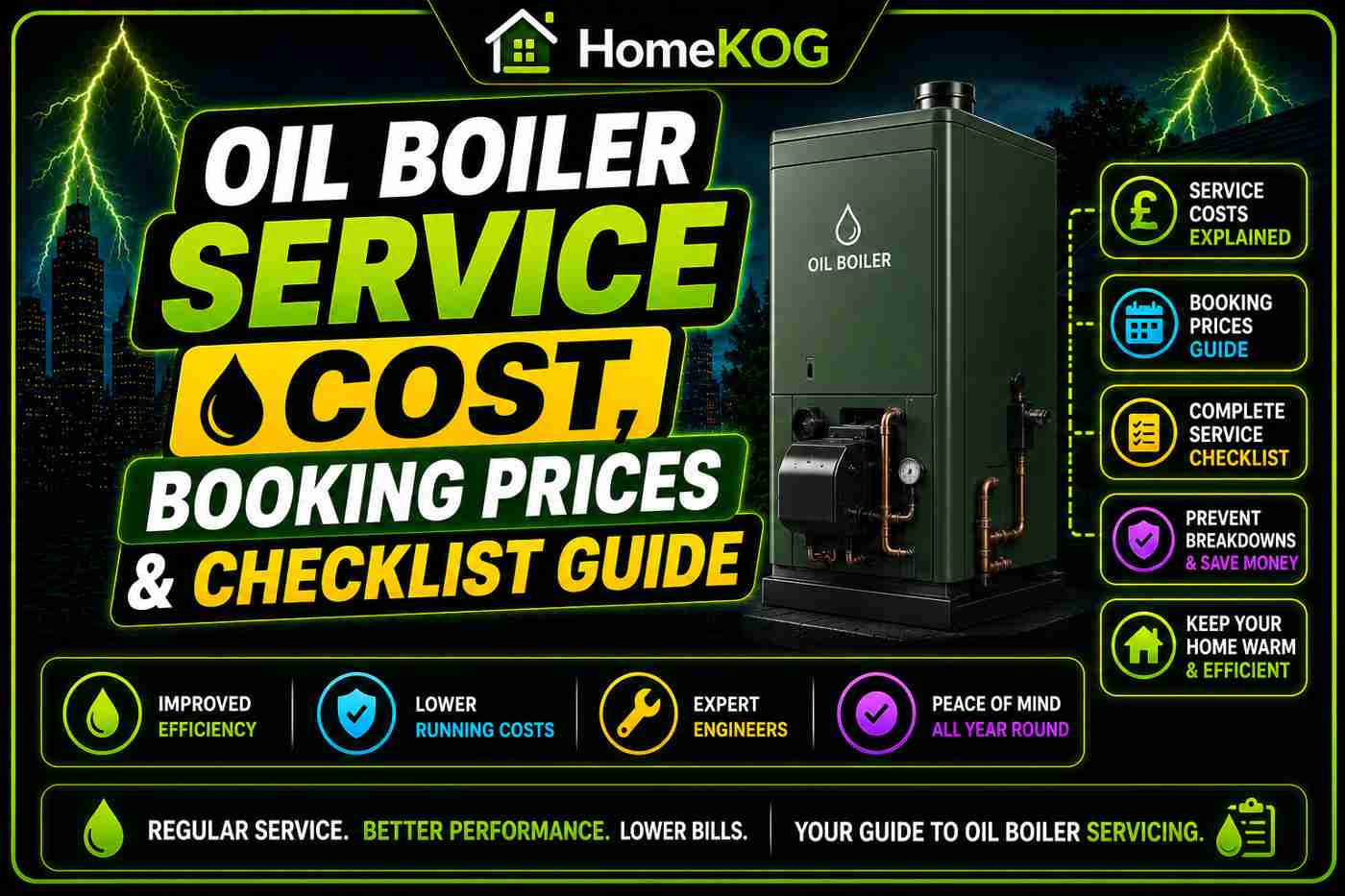
Oil Boiler Service: Costs, What’s Included & How to Book in 2026
Quick Answer: An oil boiler service costs between £120 and £170 plus VAT in 2026, depending on location and the engineer. Services must be carried out by an OFTEC registered engineer — the oil boiler equivalent of the Gas Safe register. OFTEC recommends a minimum of one service per year. Skipping an annual service can void the boiler warranty and increases the risk of an emergency breakdown.
An oil boiler is a significant investment in the comfort and efficiency of a home, and like any central heating system it requires regular professional maintenance to stay safe, efficient, and reliable. For the estimated 1.5 million UK homes that use oil heating — the majority of which are in rural areas without access to the mains gas network — an annual service is not optional. It is the most important single action a homeowner can take to protect the boiler and avoid costly emergency repairs.
This guide covers everything you need to know about oil boiler servicing in 2026, including what is checked, what it costs, and why it matters. Understanding the boiler service requirements for homeowners is essential to ensure safety and efficiency. Regular maintenance can prevent costly repairs and extend the lifespan of your heating system. Homeowners should also be aware of any local regulations that might affect their service needs.
Key Facts: Oil Boiler Service Relationships
- An oil boiler is a central heating boiler that burns heating oil as its fuel source rather than natural gas, and is the most common heating option for properties not connected to the mains gas network.
- An OFTEC registered engineer is the qualified professional required to service, repair, or install an oil-fired boiler in the UK — OFTEC registration for oil boiler work is the equivalent of Gas Safe registration for gas boiler work.
- An OFTEC CD/11 form is the official service record document provided by the engineer after completing an oil boiler service, confirming all work carried out and components checked.
- Annual oil boiler servicing is recommended by OFTEC as the minimum maintenance frequency and is typically required by boiler manufacturers to keep the warranty valid.
- Oil contamination is a common cause of oil boiler faults and occurs when water or debris enters the oil storage tank, affecting fuel quality and reducing system reliability and efficiency.
- Sooting up is the process by which soot accumulates inside an oil boiler that is not regularly serviced, reducing heat transfer efficiency and causing the boiler to consume more fuel to achieve the same output.
- A flue gas analyser is a diagnostic tool used by OFTEC engineers during a service to test combustion quality and confirm that the boiler is burning oil safely and efficiently.
- A boiler nozzle is a component replaced during every oil boiler service as standard, as it degrades with use and directly affects the quality of the oil spray and combustion.
- Carbon monoxide is an odourless, colourless gas produced by incomplete combustion in a faulty oil boiler, and correct servicing including flue inspection and combustion analysis is the primary safety measure against CO risk.
- A pressure relief valve is a boiler safety device tested during every oil boiler service to confirm it activates correctly to prevent dangerous pressure build-up.
- Oil boiler service costs vary by region, with engineers in London and the south of England typically charging more than those in northern parts of the UK.
- Worcester Bosch, Warmflow, Grant, and Firebird are among the major oil boiler brands serviced by OFTEC registered engineers.
Why Does an Oil Boiler Need Annual Servicing?
Oil is a dirtier fuel than natural gas and leaves combustion residues inside the boiler that accumulate steadily during normal operation. Without regular cleaning, these deposits reduce heat transfer efficiency across the heat exchanger, force the boiler to burn more oil to maintain the desired temperature, and can eventually cause component failure.
Oil can also become contaminated in the storage tank. Water ingress into the oil tank — through a poorly sealed tank lid, condensation, or a crack in the tank structure — is a common cause of oil contamination. Contaminated oil affects combustion quality, causes erratic boiler behaviour, and can block the oil supply nozzle.
Beyond efficiency, there is a safety dimension. An oil boiler that is not combusting correctly can produce carbon monoxide. An OFTEC engineer checks combustion quality using a flue gas analyser during every service, confirming that the boiler is burning safely and that waste gases are being expelled through the flue correctly.
For these reasons, OFTEC recommends a minimum of one service per year, and most oil boiler manufacturers make annual servicing a condition of the warranty.
What Does an Oil Boiler Service Include?
An oil boiler service is a thorough inspection and maintenance visit that typically takes around an hour. The OFTEC engineer will work through a structured checklist covering every safety-critical and efficiency-related aspect of the boiler and its associated components.
The service includes the following checks and tasks. The engineer will ask about any problems or unusual behaviour noticed since the last service, giving context for the inspection. A visual inspection of the boiler, all associated pipework, the oil supply line, and the oil storage tank is carried out. The flue is cleaned to remove soot and combustion deposits that restrict the safe expulsion of waste gases.
Combustion quality is tested using a flue gas analyser, which provides readings that confirm whether the oil is burning at the correct air-to-fuel ratio. The oil storage tank is checked for water contamination. The supply pipe is inspected for any signs of leakage. The boiler casing and burner are cleaned. The boiler nozzle — the component that atomises the oil for combustion — is replaced as standard during every service, as it degrades with use and directly affects combustion quality.
All safety systems are tested, including thermostats and the pressure relief valve, to confirm they activate correctly. At the end of the visit the boiler is fired up and run to confirm it is operating correctly before the engineer leaves.
Once the service is complete, the engineer provides an OFTEC CD/11 form listing all work carried out. This document should be kept safely as it forms part of the boiler’s service record and is required when making a warranty claim.
How Much Does an Oil Boiler Service Cost in 2026?
An oil boiler service costs between £120 and £170 plus VAT in 2026. This is slightly more expensive than a gas boiler service, reflecting the additional work involved — particularly the standard nozzle replacement and combustion analysis that form part of every oil service.
| Service Type | Typical Cost (2026) |
|---|---|
| Standard oil boiler service | £120–£170 plus VAT |
| Oil boiler service in London or South East | Towards the higher end of the range |
| Oil boiler service in northern UK | Towards the lower end of the range |
| Additional parts if required during service | Variable — engineer will advise |
Regional variation applies, with engineers working in London and the south of England typically charging more per hour than those based in other parts of the country. The nature of the property’s location — rural areas where OFTEC engineers may need to travel further — can also influence the final cost.
The service cost is modest relative to the value of the boiler and the cost of emergency repairs. A component that fails in the middle of winter because it was not identified during a service can cost significantly more to repair than the service itself would have cost. The boiler nozzle alone — replaced as standard during every service — would cost additional labour to replace outside of a scheduled visit.
How to Keep Your Oil Boiler Warranty Valid
Most oil boiler manufacturers include a condition in their warranty terms requiring the boiler to be serviced annually by an OFTEC registered engineer. Failing to service the boiler as required — or having it serviced by an engineer who is not OFTEC registered — can void the warranty, leaving the homeowner responsible for the full cost of any subsequent repairs regardless of whether the fault is a manufacturing defect.
The OFTEC CD/11 form provided after each service is the proof that the servicing requirement has been met. These forms should be kept throughout the life of the boiler and produced if a warranty claim is ever needed.
Why Annual Oil Boiler Servicing Prevents Costly Breakdowns
Many oil boiler faults are progressive rather than sudden. A nozzle that is beginning to degrade affects combustion quality before it fails completely. A small water ingress into the oil tank contaminates the fuel gradually before it causes a burner fault. Soot accumulates steadily before it causes a noticeable drop in efficiency. An annual service catches all of these developing issues at the point where they are inexpensive to address, before they escalate into breakdowns that may require major component replacement.
Emergency call-outs in winter — the period when oil boilers are under the greatest demand and the most stress — are both more expensive and more disruptive than a planned service carried out in the summer or early autumn. Booking the service before the heating season begins ensures the boiler is in the best possible condition when it is needed most, and typically means more flexible appointment availability and potentially better pricing from engineers who are less busy during warmer months.
Safety: The Case for Not Skipping a Service
Carbon monoxide is one of the most serious risks associated with a poorly maintained oil-fired boiler. It is produced when combustion is incomplete — when the oil does not burn fully due to a faulty nozzle, incorrect air-to-fuel ratio, or a restricted flue. Because it is colourless and odourless, it can accumulate to dangerous levels in a property without any warning.
An OFTEC engineer uses a flue gas analyser during every service to confirm that combustion is occurring at the correct ratio and that CO levels in the flue gases are within safe limits. This check, alongside a visual inspection of the flue for blockages and damage, is the primary line of defence against CO risk in an oil-heated home.
A carbon monoxide detector should be installed in the same room as the oil boiler and on every floor of the property. The detector provides a critical additional safety layer between services but does not replace the need for annual inspection by a qualified engineer.
Frequently Asked Questions
How much does an oil boiler service cost in 2026?
An oil boiler service costs between £120 and £170 plus VAT in 2026. Prices vary by location, with engineers in London and the south of England typically at the higher end of the range and those in northern parts of the UK at the lower end. The cost includes a full inspection, combustion analysis with a flue gas analyser, flue cleaning, burner cleaning, and standard nozzle replacement. An OFTEC CD/11 service record is provided on completion.
Who can service an oil boiler?
Only an OFTEC registered engineer is qualified and permitted to service an oil-fired boiler in the UK. OFTEC registration for oil boiler work is the equivalent of Gas Safe registration for gas boiler work. Using an unregistered engineer can invalidate the boiler warranty and may not meet the safety standards required for oil-fired appliances. Always verify an engineer’s OFTEC registration before booking a service.
How often should an oil boiler be serviced?
OFTEC recommends a minimum of one service per year. Most oil boiler manufacturers also require annual servicing as a condition of the warranty. For properties where the oil tank is in a location vulnerable to contamination, or where the boiler is used very heavily, the engineer may recommend more frequent inspection of specific components.
What happens if I don’t service my oil boiler?
Skipping an annual service increases the risk of emergency breakdowns, reduces the efficiency of the boiler — requiring more oil to produce the same heat output — and voids most manufacturer warranties. Over time, soot build-up, nozzle degradation, and undetected oil contamination can cause progressive component damage that is significantly more expensive to repair than a routine service. There is also a safety risk — an unserviced oil boiler is more likely to produce incomplete combustion and carbon monoxide.
What is an OFTEC CD/11 form?
An OFTEC CD/11 form is the official service record document completed by the OFTEC registered engineer at the end of every oil boiler service. It lists all the work carried out during the visit, components inspected, and any parts replaced or recommendations made. This document should be retained safely by the homeowner throughout the life of the boiler, as it serves as proof that the annual servicing requirement has been met and is required when making a warranty claim.
Does an oil boiler service include replacing the nozzle?
Yes. The boiler nozzle — which atomises the oil into a fine spray for combustion — is replaced as a standard part of every oil boiler service. The nozzle degrades with use and has a direct impact on combustion quality. Replacing it annually ensures the boiler is burning oil efficiently and safely, and prevents the progressive combustion problems that a worn nozzle causes over time.
Is an oil boiler service worth the cost?
Yes. At £120 to £170 plus VAT, an annual oil boiler service is one of the most cost-effective maintenance investments available for a property reliant on oil heating. It keeps the warranty valid, prevents the kind of component failures that cause expensive emergency call-outs in winter, maintains the boiler’s efficiency and therefore reduces fuel costs, and provides the safety checks — particularly combustion analysis and carbon monoxide risk assessment — that protect the occupants of the property.
Conclusion
An annual oil boiler service is not an optional extra — it is an essential requirement for any home that relies on oil heating. It keeps the boiler operating safely, maintains the efficiency that controls your fuel costs, satisfies the conditions of the manufacturer warranty, and prevents the minor faults that become major breakdowns when left undetected.
At £120 to £170 plus VAT, the cost of an annual service is modest relative to the value it protects and the emergency repair bills it prevents. Booking the service in summer or early autumn — before the heating season begins — makes practical and financial sense, giving the boiler the best possible chance of getting through winter without incident.
Always use an OFTEC registered engineer for any oil boiler service, repair, or installation. It is the legal and safest standard for oil-fired heating work, and it is the only route to maintaining the warranty protection that comes with your boiler.