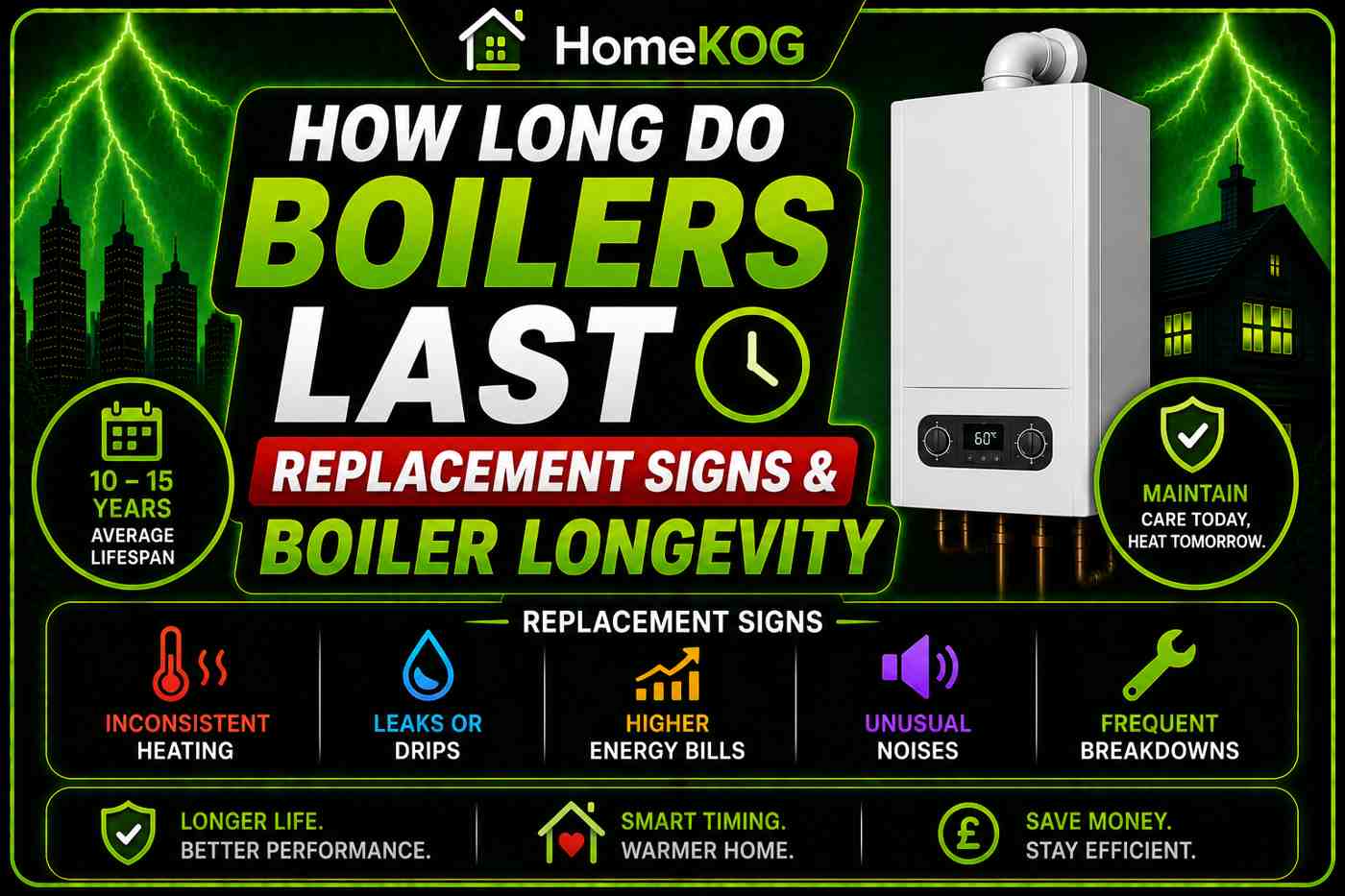

Most boilers last between 10 and 15 years in the UK, although this depends heavily on servicing, water quality, system condition, and how hard the boiler works. Regular maintenance is crucial to extend the lifespan of a boiler, and many homeowners wonder how long boiler service takes. Typically, a thorough service can be completed within an hour, depending on the complexity and age of the unit. Investing this time in regular servicing can ultimately save money on repairs and enhance the efficiency of the system. Determining boiler maintenance frequency recommendations can help homeowners stay proactive in their upkeep efforts. Following these guidelines ensures that any potential issues are identified early, reducing the risk of unexpected breakdowns. Additionally, adhering to recommended maintenance schedules can significantly improve the overall performance and reliability of the heating system.
A well-maintained modern condensing boiler can sometimes last longer, but efficiency, reliability, and repair costs usually make replacement worth considering once a boiler reaches around 12–15 years old.
Average Boiler Lifespan in the UK
The lifespan of a boiler is influenced more by system condition and maintenance than by the boiler itself. Sludge, limescale, poor water treatment, and lack of servicing are the main reasons boilers fail early.
Modern condensing boilers typically last:
- Combi boilers: 10–15 years
- System boilers: 12–15 years
- Heat-only boilers: 12–15 years
Older non-condensing boilers sometimes lasted longer, but they were far less efficient and more expensive to run.
The most common causes of reduced boiler life include sludge in the central heating system, limescale inside the heat exchanger, worn pumps or valves, and poor system water quality. boiler short cycling causes explained can further exacerbate these issues by causing the system to frequently turn on and off, leading to inefficient operation. This not only increases energy consumption but also places additional stress on components, ultimately shortening boiler lifespan and requiring more frequent maintenance. Addressing short cycling is crucial to ensure optimal performance and longevity of the heating system.
What Affects Boiler Life Expectancy
System Sludge and Limescale
Sludge forms from rust and debris inside radiators and pipework. Over time it blocks heat exchangers, pumps, and valves, forcing the boiler to work harder and increasing the chance of breakdowns.
Limescale is more common in hard water areas and can damage the heat exchanger, reducing efficiency and overheating components.
A magnetic filter and system inhibitor help prevent both issues and are strongly recommended on all modern heating systems.
Servicing and Maintenance
An annual boiler service carried out by a Gas Safe registered engineer is one of the most important factors in boiler lifespan. Servicing helps identify worn parts, safety issues, incorrect pressure, and combustion problems before they cause breakdowns.
Many manufacturer warranties also require annual servicing to remain valid.
Installation Quality
Poor installation is one of the biggest causes of early boiler failure. Incorrect pipe sizing, dirty systems, missing filters, or incorrect setup can significantly reduce boiler life. Understanding Viessmann boiler error codes explained can help identify issues before they lead to costly repairs. Regular maintenance and monitoring of your system can assist in catching these error codes early on, ensuring your boiler operates efficiently. Additionally, being aware of common error codes allows for more informed communication with service technicians when problems arise.
A properly installed boiler on a clean, protected heating system can last many years longer than one installed on a dirty system.
Signs Your Boiler Is Reaching the End of Its Life
Increasing Energy Bills
Older boilers lose efficiency over time, especially if the heat exchanger becomes coated in sludge or limescale. A modern A-rated condensing boiler is typically over 90% efficient, while very old boilers may be closer to 60–70% efficient.
This difference can significantly increase heating costs.
Frequent Breakdowns
If your boiler keeps needing new pumps, fans, diverter valves, or printed circuit boards, repair costs can quickly add up. Multiple repairs in a short period often indicate the boiler is nearing the end of its life.
Parts Becoming Hard to Find
Manufacturers eventually stop producing spare parts for older boilers. When parts become obsolete, replacement is usually the only option.
Strange Noises
Banging, kettling, humming, or vibrating noises often indicate sludge, limescale, or pump issues. These problems can shorten boiler lifespan if not fixed.
When to Replace a Boiler
Most homeowners start considering replacement when the boiler is around 12–15 years old, especially if repair costs are increasing or efficiency is poor.
Replacing an old boiler with a modern condensing boiler can reduce energy usage and improve heating performance. New boilers also include features such as modulation, weather compensation, and smart heating controls, which improve efficiency and comfort.
Boiler Replacement Costs in the UK
Boiler replacement costs vary depending on the boiler type, installation complexity, and system upgrades required.
Typical installed prices in the UK:
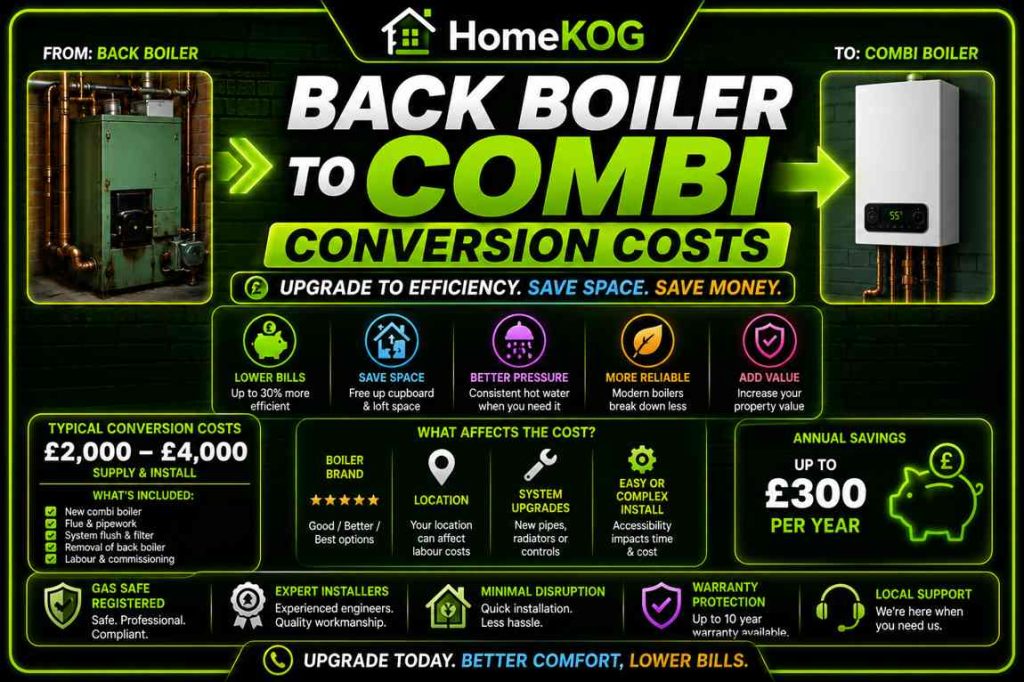
- Combi boiler replacement: £1,800 – £3,000
- System boiler replacement: £2,000 – £3,500
- Heat-only boiler replacement: £2,000 – £3,500
Costs increase if new pipework, radiators, a hot water cylinder, or a system flush is required.
What Are the Key Signs That Indicate a Boiler Needs Replacement Before Considering Installation Costs?
A boiler that frequently breaks down, shows inconsistent heating, or leaks water may indicate a need for replacement. Additionally, age plays a crucial role; if your boiler is over 15 years old, it’s wise to consider replacement, especially when assessing boiler installation costs in cardiff. Prioritize efficiency and safety.
How to Make Your Boiler Last Longer
Regular maintenance and system protection can significantly extend boiler life. Annual servicing, keeping the system pressure correct, using inhibitor, and fitting a magnetic filter all help reduce wear on internal components.
Running the heating occasionally during summer can also help prevent pumps and valves from seizing.
Keeping the heating system clean and properly maintained often makes the biggest difference to how long a boiler lasts.
Troubleshooting Table – Boiler Age and Replacement Signs
| Symptom | Likely Cause | Action |
|---|---|---|
| Boiler over 12–15 years old | Normal lifespan reached | Consider replacement |
| Frequent breakdowns | Worn internal components | Compare repair vs replacement cost |
| Rising energy bills | Reduced efficiency | Consider new A-rated boiler |
| Loud banging or kettling | Sludge or limescale | System clean or replacement |
| Parts obsolete | Boiler too old | Replace boiler |
| Leaks from boiler | Internal corrosion | Replacement usually required |
What Factors Affect the Longevity of External Boilers Compared to Traditional Indoor Boilers?
When considering the pros and cons of external boilers, durability and maintenance play crucial roles. External boilers often face harsher weather conditions, potentially impacting their lifespan. However, their accessibility can simplify repairs and maintenance, balancing the longevity challenge. Thus, environmental factors and design choices significantly influence their overall durability.
Frequently Asked Questions
How long do boilers last in the UK?
Most modern boilers last between 10 and 15 years if serviced annually and installed on a clean heating system with inhibitor and a magnetic filter. Regularly addressing boiler maintenance frequency recommendations ensures optimal efficiency and can help prevent costly breakdowns. Additionally, maintaining a consistent service schedule allows homeowners to identify potential issues early, saving both time and money in the long run. Following these guidelines will ultimately extend the lifespan of the boiler and enhance overall system performance.
Can a boiler last 20 years?
Some boilers can last 20 years, but this is less common with modern condensing boilers. Efficiency and reliability usually drop long before this point, making replacement more cost-effective.
Should I replace a 12-year-old boiler?
If the boiler is reliable and efficient, it may still have a few years left. However, if breakdowns are becoming more frequent or energy bills are increasing, replacement is often worth considering.
Is it cheaper to replace a boiler or repair it?
If a repair costs more than a few hundred pounds and the boiler is over 12 years old, replacement is often the better long-term option.