
Boiler Corrosion Causes, Effects & Prevention
Quick Answer
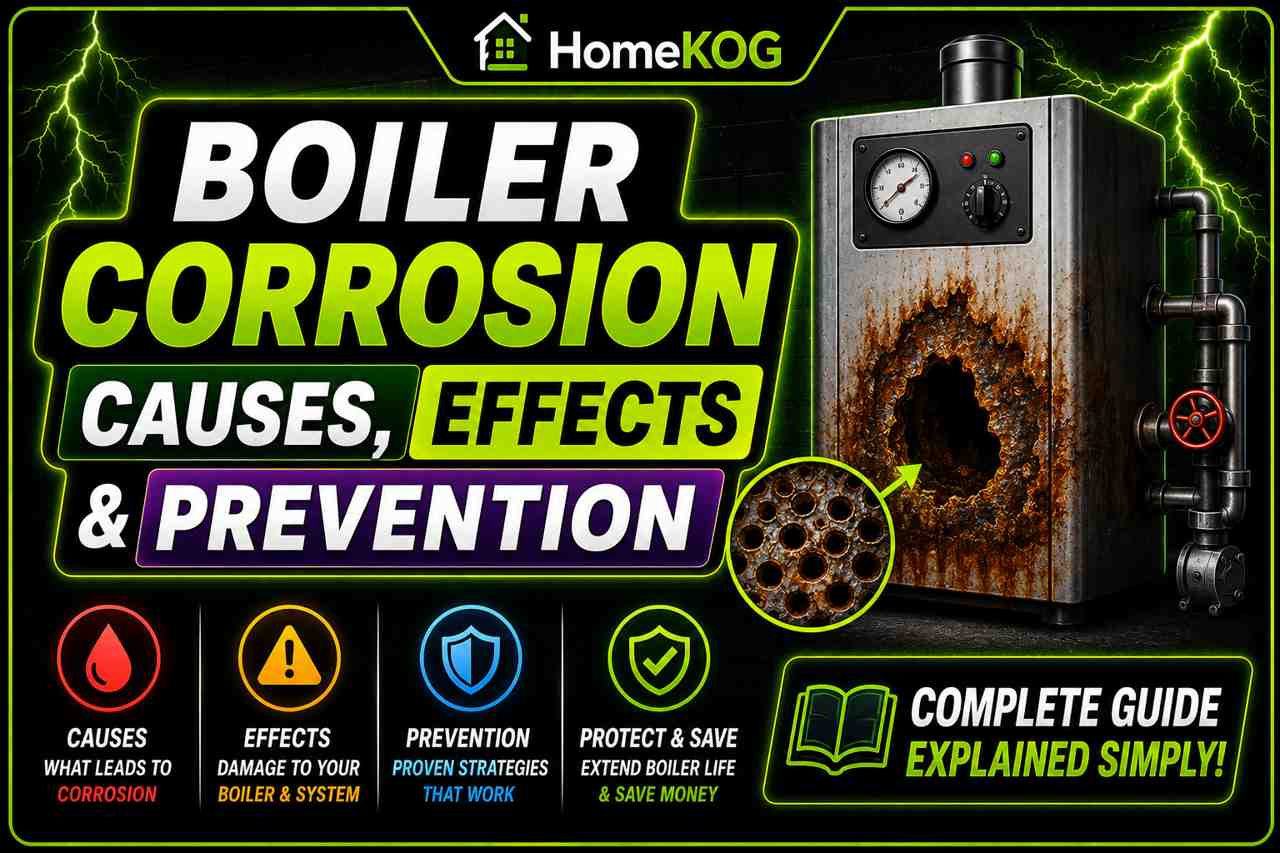
Boiler corrosion happens when metal inside a boiler or heating system reacts with oxygen, water, and contaminants. Over time, this causes rust, sludge, leaks, and poor heating performance. The best prevention is regular servicing, correct water treatment, inhibitor use, and keeping the system clean and properly balanced.
Boiler corrosion is one of the most common hidden problems in UK heating systems. It often starts slowly, but if left untreated it can shorten boiler life, reduce efficiency, and lead to expensive repairs.
The good news is that corrosion is usually preventable. If you understand what causes it and spot the early warning signs, you can protect your heating system before serious damage sets in.
Boiler Corrosion Entity Relationships
- Boiler corrosion → damages → metal components
- Oxygen in water → reacts with → internal metal surfaces
- Poor water quality → increases → corrosion risk
- Corrosion → creates → rust and sludge
- Sludge build-up → reduces → heating efficiency
- Corroded pipework → causes → leaks
- Inhibitor chemicals → slow → corrosion reactions
- System flushing → removes → debris and contamination
- Magnetic filter → captures → metallic particles
- Hot water → accelerates → chemical reactions
- Annual servicing → identifies → early corrosion problems
- Proper water chemistry → protects → boilers and radiators

What Is Boiler Corrosion?
Boiler corrosion is the gradual breakdown of metal parts inside a boiler or central heating system. It happens when metal reacts with water, oxygen, and impurities circulating through the system.
That reaction weakens components over time. If it continues unchecked, it can damage radiators, pipework, heat exchangers, valves, and other internal parts.
What Causes Boiler and Heating System Corrosion?
The main cause of corrosion is the combination of water and oxygen coming into contact with metal surfaces. Once that happens, oxidation begins.
In simple terms, the metal starts to rust from the inside.
Oxygen and water
Water inside the system acts as the medium that allows chemical reactions to happen. Oxygen speeds up the process by reacting with exposed metal surfaces.
This is why sealed, well-maintained systems usually resist corrosion better than poorly maintained ones.
Poor water quality
Dirty or untreated system water is a major cause of corrosion. If the water contains contaminants, dissolved minerals, or a poor chemical balance, metal parts are more likely to deteriorate.
Once corrosion starts, it can spread through the whole system.
Incorrect pH levels
If the water chemistry is too acidic or too alkaline, internal components can suffer faster wear.
That is why inhibitor treatment and proper water quality are so important in modern heating systems.
High temperatures
Heat speeds up chemical reactions. Because boilers constantly heat water, any corrosion process that has already started can become more aggressive over time.
This is one reason hot water systems are particularly vulnerable if they are not properly protected.
Signs of Corrosion in a Boiler or Heating System
Corrosion is often difficult to see directly, but the system usually gives warning signs. Spotting these early can help you avoid more serious damage.
Common Signs of Boiler Corrosion
| Sign | What it may indicate |
|---|---|
| Rust-coloured water | Internal corrosion in pipes or radiators |
| Leaks | Corroded joints, valves, or metal sections |
| Noises from the system | Sludge, scale, or restricted circulation |
| Reduced heat output | Corrosion affecting water flow or radiator performance |
| Bad smells | Dirty system water or internal deterioration |
| Frequent pressure issues | Leaks or failing components caused by corrosion |
Rust-coloured or dirty water
If you bleed a radiator and the water comes out brown, orange, or black, that is a strong sign that rust and contamination are present in the system.
Clean system water should not look heavily discoloured.
Leaks around the system
Corrosion weakens metal. That means pinhole leaks, damp patches, and dripping components can all point to underlying corrosion in the heating system.
Strange noises
Banging, tapping, kettling, and gurgling sounds often mean there is sludge, scale, or restricted circulation in the system. Corrosion frequently contributes to all three.
Effects of Corrosion on a Heating System
Corrosion does more than just damage one part. It can affect the efficiency, reliability, and lifespan of the whole central heating system.
Reduced efficiency
As corrosion creates rust and sludge, water flow becomes more restricted. That means radiators heat unevenly and the boiler has to work harder to warm the property.
This increases fuel use and pushes up heating bills.
More frequent breakdowns
Corroded systems are more likely to suffer pump issues, blocked heat exchangers, leaking valves, and poor circulation.
The longer corrosion continues, the more expensive the repair work usually becomes.
Shorter system lifespan
A well-maintained radiator can last for decades, but corrosion can reduce that lifespan dramatically. The same applies to boilers, cylinders, and pipework.
How To Prevent Boiler Corrosion
Prevention is always better than cure when it comes to corrosion. Once metal has deteriorated badly, repair or replacement is often the only option.
Best Ways To Prevent Boiler Corrosion
Use central heating inhibitor
Corrosion inhibitors are chemical treatments added to the system water. Their job is to reduce the chemical reactions that cause internal corrosion and sludge formation.
This is one of the most effective ways to protect both boilers and radiators.
Flush the system regularly
Regular flushing helps remove sediment, sludge, and metallic debris before it builds up. This keeps water cleaner and reduces the chance of corrosion-related damage.
The right flush interval depends on the age, condition, and design of the system.
Maintain proper water quality
System water should be chemically balanced and free from unnecessary contamination. If the water is too aggressive or too dirty, corrosion becomes much more likely.
Water treatment plays a key role here.
Install a magnetic filter
A magnetic filter captures iron-based particles before they circulate around the boiler and radiators. This helps reduce sludge build-up and keeps metallic contamination under control.
It is one of the best long-term preventative upgrades for a heating system.
Book regular servicing
Annual servicing gives an engineer the chance to spot early signs of corrosion before they become bigger problems. It also helps ensure the boiler is running safely and efficiently.
Common Types of Corrosion Inhibitors
Different chemical inhibitors protect systems in different ways. The exact type used depends on the heating system and water conditions.
Typical inhibitor categories
- Phosphates, which help reduce scale formation and oxygen-related corrosion
- Silicates, which help stabilise water chemistry and protect metal surfaces
- Organic inhibitors, which help reduce corrosion caused by oxygen and contaminants
The exact product should always be suitable for the system it is being used in.
How Often Should a Heating System Be Flushed?
There is no single answer for every home, because the right frequency depends on system age, water quality, and existing contamination.
In general, a system should be checked regularly, and flushing should be carried out when there are clear signs of sludge or corrosion.
Which Materials Resist Corrosion Best?
Some materials are naturally better at resisting corrosion than others.
Corrosion Resistance by Material
| Material | Corrosion Resistance | Typical Note |
|---|---|---|
| Stainless steel | High | Durable and widely used in modern systems |
| Copper | High | Good resistance and long service life |
| Cast iron | Moderate | Long-lasting but vulnerable if neglected |
| Galvanised steel | Lower | Can corrode faster over time |
Copper and stainless steel are generally the strongest choices where corrosion resistance is a priority, although they are usually more expensive.
Can Corrosion Cause Boiler Failure?
Yes, corrosion can absolutely cause system failure. It can weaken components, create leaks, block circulation, and reduce heat transfer.
If the wrong part fails, such as a heat exchanger or a key section of pipework, the repair can be costly and sometimes makes replacement the better option.
How Much Does It Cost To Fix a Corroded Heating System?
The cost depends on how far the corrosion has spread and which parts have been affected.
Typical Corrosion-Related Repair Costs
| Repair Type | Typical Cost Range |
|---|---|
| Minor repair or clean-up | A few hundred pounds |
| System flush and treatment | Varies by property and system size |
| Radiator replacement | Depends on radiator type and labour |
| Major boiler component repair | Can run into the hundreds or more |
| Large-scale replacement work | Can cost thousands |
Small issues are usually manageable. System-wide corrosion is where costs rise sharply.
Why Hot Water Increases Corrosion Risk
Hot water makes corrosion worse because higher temperatures speed up chemical reactions. The warmer the water, the more quickly oxygen and contaminants can react with metal surfaces.
This is why heating systems need protection even if they look fine from the outside.
Can You Fix a Corroded Radiator?
Yes, sometimes. If corrosion is only minor and superficial, cleaning and recoating may help. But if the radiator is internally corroded or leaking, replacement is usually the better long-term solution.
Once a radiator starts failing from the inside, repairs are often only temporary.
Boiler Corrosion Prevention Checklist
- Book an annual boiler service.
- Keep the system water properly treated with inhibitor.
- Fit a magnetic filter if you do not already have one.
- Flush the system when sludge or contamination is present.
- Investigate rust-coloured water or leaks early.
- Replace badly corroded components before they fail completely.
How Does Pump Overrun Relate to Boiler Corrosion Causes and Prevention?
Understanding pump overrun causes and solutions is crucial for preventing boiler corrosion. When pumps operate beyond their intended cycle, it can lead to inadequate water circulation, increasing the risk of localized overheating and corrosion. Regular maintenance and monitoring of pump performance can help mitigate these risks and extend boiler lifespan.
FAQs
What causes boiler corrosion?
Boiler corrosion is caused when metal inside the system reacts with oxygen, water, and impurities. Boiler corrosion becomes more likely when system water is dirty, poorly treated, or chemically unbalanced. High temperatures speed up the process, which is why internal corrosion can gradually affect boilers, radiators, valves, and pipes if the system is not properly maintained.
What are the signs of corrosion in a heating system?
Common signs of heating system corrosion include rust-coloured water, leaks, strange noises, bad smells, reduced heat output, and recurring pressure problems. These warning signs usually mean metal parts are deteriorating or that corrosion has already created sludge and debris. If several of these symptoms appear together, the heating system should be checked as soon as possible.
Can boiler corrosion be prevented?
Yes, boiler corrosion can usually be prevented with proper maintenance and water treatment. The best prevention methods include using inhibitor, flushing the system when needed, fitting a magnetic filter, and booking annual servicing. Boiler corrosion is far less likely in a clean, sealed, well-maintained system than in one with dirty or untreated water circulating through it.
Does inhibitor stop boiler corrosion?
Inhibitor helps stop boiler corrosion by reducing the chemical reactions that cause rust and internal metal breakdown. It is one of the most important protective treatments for central heating systems. While inhibitor does not repair existing damage, it can slow or prevent further corrosion when the system water is otherwise clean and properly maintained.
Can corrosion damage a boiler?
Yes, corrosion can damage a boiler by weakening metal components, creating sludge, restricting circulation, and causing leaks. Corrosion can affect pumps, heat exchangers, valves, and other internal parts. If left untreated, boiler corrosion can reduce efficiency, increase repair costs, and in severe cases lead to complete component failure or early boiler replacement.
How often should a heating system be flushed to prevent corrosion?
A heating system should be flushed whenever sludge, dirty water, or circulation problems show that contamination is present. The exact timing depends on water quality, system age, and maintenance history. To prevent corrosion, many systems benefit from regular monitoring, proper inhibitor levels, and flushing when early signs of internal debris begin to appear.
Which radiator materials resist corrosion best?
Copper and stainless steel are generally the best radiator and pipe materials for resisting corrosion. They are more durable and less reactive than many cheaper alternatives. While cast iron can also last a long time with good maintenance, poor water quality can still lead to corrosion in any material if the system is neglected.
Is hot water worse than cold water for corrosion?
Yes, hot water is worse than cold water for corrosion because higher temperatures speed up chemical reactions between metal, oxygen, and water. That means hot heating systems can corrode faster if the water is untreated or contaminated. This is why good water chemistry and regular maintenance are so important in protecting boilers and radiators over time.
Conclusion
Boiler corrosion is one of the most serious long-term threats to a heating system, but it is also one of the most preventable. The key is to treat the cause early rather than waiting for obvious failure.
Clean system water, proper inhibitor levels, regular flushing, and annual servicing all help reduce corrosion risk. If you stay on top of those basics, your boiler and heating system are far more likely to run efficiently, safely, and for much longer.