
Central Heating Sludge Build-Up Removal UK, Prevention and Cures
Quick Answer
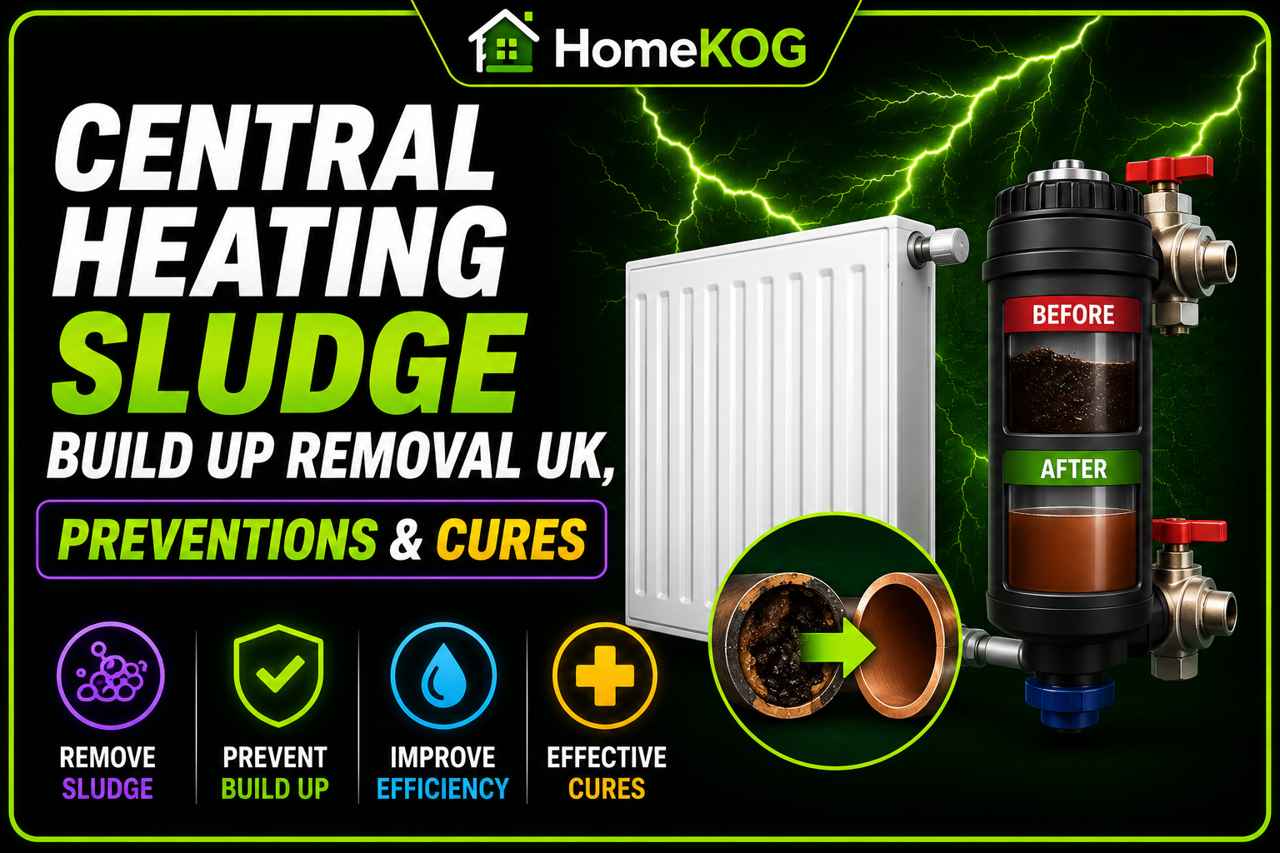
Central heating sludge is a dirty mix of rust, debris, and magnetite that builds up inside radiators, pipes, and boilers. It reduces heating performance, creates cold spots, raises energy bills, and can damage key parts. The best fix is early treatment, system cleaning, and long-term prevention with inhibitor and a magnetic filter.
Central heating sludge is one of the most common hidden problems in UK heating systems. It builds slowly, often unnoticed, until radiators stop heating properly, the boiler starts making noise, or your energy bills climb without a clear reason.
The good news is that sludge is treatable. In many cases, if you catch it early, you can restore performance without replacing your whole heating system.
Central Heating Sludge Key Relationships
- Central heating sludge → forms from → rust, dirt, and magnetite
- Sludge build-up → restricts → water circulation
- Poor circulation → creates → cold spots on radiators
- Dirty system water → signals → internal contamination
- Corrosion inside radiators → produces → sludge particles
- Boiler pump → struggles with → sludge-filled water
- Magnetic filter → captures → iron-based debris
- Central heating inhibitor → slows → internal corrosion
- Power flush → removes → stubborn sludge deposits
- Annual servicing → helps identify → sludge-related faults
- Sludge build-up → increases → heating costs
- Clean heating systems → improve → boiler efficiency

What Is Central Heating Sludge?
Central heating sludge is a thick, dirty build-up that forms inside your heating system over time. It is usually made up of rust, debris, limescale residue, and magnetite, which is a black iron oxide created when metal parts corrode internally.
As sludge moves around the system, it settles in low-flow areas such as the bottoms of radiators and older pipework. Once enough gathers, it starts to restrict the flow of hot water.
Why Central Heating Sludge Is a Problem
Sludge is not just dirty water. It affects how efficiently your whole heating system works.
When hot water cannot move freely, radiators heat unevenly, the boiler works harder, and key components wear faster. That is why untreated sludge often leads to higher bills and more frequent repairs.
How sludge affects performance
A sludge-filled system takes longer to warm your home. It also reduces how much heat each radiator can release into the room.
This means your boiler may run for longer just to achieve the same temperature, using more fuel in the process.
What Causes Sludge Build-Up?
Sludge does not appear overnight. It usually forms gradually because of corrosion and poor system water quality.
Older heating systems are especially vulnerable, but even newer systems can develop sludge if they are not properly protected.
Common causes of radiator sludge
Poor water quality is a major cause. If the water inside the heating system is untreated, metal components can begin to corrode from the inside.
Lack of regular maintenance also increases the risk. If radiators are never checked, inhibitor is not topped up, and debris is left circulating, sludge can build much faster.
Ageing components contribute too. Older radiators, valves, and pipes shed internal debris as they deteriorate.
Bad system design can also play a role. Poor circulation, dead legs, and low-flow areas allow sludge to settle more easily.
Signs of Central Heating Sludge
The symptoms of sludge are often fairly easy to spot once you know what to look for. The problem is that many homeowners assume these signs point to a failing boiler rather than dirty system water.
Common Sludge Symptoms
| Symptom | What it usually means |
|---|---|
| Cold spots on radiators | Sludge settled at the bottom of the radiator |
| Noisy radiators or pipes | Restricted water flow or trapped debris |
| Slow heating | Hot water not circulating efficiently |
| Dirty radiator water | Internal corrosion and contamination |
| Higher energy bills | Boiler working harder to heat the home |
| Frequent boiler faults | Sludge affecting pumps, heat exchangers, or sensors |
| Reduced water pressure or poor flow | Blockages within the heating circuit |
Cold spots on radiators
One of the clearest warning signs is when radiators feel hot at the top but cold at the bottom. That usually means sludge has settled in the lower section and is blocking heat transfer.
Noises from the system
If your heating makes banging, gurgling, or rushing noises, sludge could be restricting circulation. This is especially common in older systems that have not been flushed for years.
Discoloured water
When you bleed a radiator, the water should be relatively clean. If it comes out dark brown or black, that is a strong sign that sludge is already present.
How Central Heating Sludge Is Detected
A heating engineer may use a visual inspection, radiator temperature checks, or a water sample to confirm sludge build-up. In some cases, thermal imaging or pressure testing can also help identify poor circulation caused by contamination.
A professional diagnosis is usually the best route if symptoms are affecting more than one radiator or the boiler itself.
How To Remove Sludge From a Central Heating System
There is more than one way to remove sludge. The right method depends on how severe the contamination is and how old the system is.
Power flushing
Power flushing uses high-velocity water and cleaning chemicals to force sludge and debris out of the system. It is one of the most effective treatments for heavily contaminated systems.
It should only be carried out by a professional because older pipework and weak joints can be vulnerable if the flush is done badly.
Chemical flush
A chemical flush is a gentler treatment. A sludge remover is added to the system to break down deposits, which are then drained out.
This can be a good option where the contamination is lighter or where a full power flush may be too aggressive.
New radiators
If radiators are badly blocked internally or very old, replacement may make more sense than repeated cleaning. New radiators also improve efficiency and remove the risk of old sludge remaining trapped inside damaged units.
How To Remove Sludge From a Radiator
If one radiator is affected more than the others, it may be possible to clean that radiator separately.
Step-by-step radiator sludge removal
- Turn off the heating and allow the system to cool fully.
- Close both radiator valves and place towels or a tray underneath.
- Bleed the radiator to release pressure.
- Disconnect the radiator and drain the dirty water.
- Flush the radiator with clean water until it runs clear.
- Refit the radiator and reopen the valves.
- Bleed the radiator again once the system is back on.
- Recheck the boiler pressure and top up if needed.
This can help with a single blocked radiator, but if the rest of the system is also dirty, the problem will often return.
Best Ways To Prevent Central Heating Sludge
Prevention is far cheaper than cure. Once a system has been cleaned, the next goal is to stop sludge coming back.
Use inhibitor
Central heating inhibitor is a chemical treatment added to the system water. It helps reduce internal corrosion, which is one of the main causes of sludge.
If your system has been drained, repaired, or flushed, the inhibitor level should always be checked and topped up where needed.
Fit a magnetic filter
A magnetic filter captures iron-rich debris before it can settle in radiators, pumps, or the boiler heat exchanger. It is one of the most effective long-term defences against sludge returning.
It should be cleaned during annual servicing to keep it working properly.
Book regular servicing
An annual boiler service does more than check combustion. It also gives an engineer the chance to inspect overall heating system health, spot poor circulation, and identify early signs of contamination. In addition to improving system efficiency, homeowners can explore various boiler finance options for homeowners, making it easier to manage costs associated with necessary repairs or upgrades. These options can provide flexibility in payment plans, allowing families to invest in a reliable heating system without immediate financial strain. Ultimately, taking proactive steps ensures comfort and safety throughout the colder months. Regular tips for boiler maintenance in winter should include checking the pressure gauge and ensuring all radiators are bled to eliminate trapped air. Additionally, homeowners should monitor their boiler for any unusual noises or leaks, which could indicate potential issues. By staying vigilant and addressing minor problems early on, you can extend the lifespan of your heating system and enjoy a warmer home during the cold season.
Sludge Removal and Prevention Comparison
| Method | Best for | Main benefit | Main limitation |
|---|---|---|---|
| Power flush | Heavy sludge build-up | Thorough system cleaning | Not ideal for every old system |
| Chemical flush | Mild to moderate sludge | Gentler cleaning option | May not clear severe blockages |
| Radiator flush | One badly affected radiator | Targeted local fix | Does not clean whole system |
| Magnetic filter | Long-term prevention | Captures circulating debris | Must be cleaned regularly |
| Inhibitor treatment | Corrosion prevention | Slows sludge formation | Needs correct dosing |
When To Call a Heating Engineer
If several radiators have cold spots, your boiler is making unusual noises, or heating performance has dropped across the house, it is time to bring in a professional.
The same applies if you suspect sludge but are unsure how advanced it is. A proper inspection can prevent you wasting money on partial fixes that do not solve the real problem.
Do Boiler Issues Contribute to Central Heating Sludge Build-Up?
Boiler issues significantly contribute to central heating sludge build-up, impacting system efficiency. Regular maintenance helps mitigate this problem. Understanding “boiler lifespan and replacement indicators explained” can guide homeowners on when to replace their systems, ensuring optimal heating performance and preventing costly repairs linked to sludge accumulation.
FAQs
What is central heating sludge?
Central heating sludge is a dirty build-up of rust, magnetite, and debris that forms inside radiators, pipes, and boilers. Central heating sludge restricts water flow, reduces heating efficiency, and can damage components like pumps and heat exchangers. In simple terms, central heating sludge is contamination inside the system that makes your heating work harder and perform worse.
What causes sludge in radiators?
Sludge in radiators is usually caused by corrosion inside the heating system. When untreated water reacts with metal components, rust and magnetite form and begin circulating through the pipes. Over time, these particles settle in radiators, especially in low-flow areas. Poor maintenance, missing inhibitor, and ageing components all increase the risk of radiator sludge building up.
How do I know if my heating system has sludge?
You can often tell your heating system has sludge if radiators have cold spots, the system heats slowly, or the water released during bleeding is black or very dirty. Boiler noises, poor circulation, and rising heating bills are also common signs. A sludge-filled system usually shows a pattern of reduced performance rather than one single dramatic fault.
Can central heating sludge damage a boiler?
Yes, central heating sludge can damage a boiler by restricting circulation and forcing components to work harder. Pumps, valves, and heat exchangers are especially vulnerable when dirty water moves through the system. If central heating sludge is left untreated, it can increase wear, trigger boiler faults, reduce efficiency, and in some cases lead to expensive repairs or premature boiler replacement.
What is the best way to remove central heating sludge?
The best way to remove central heating sludge depends on how severe the contamination is. A power flush is usually the most effective option for heavy sludge, while a chemical flush may be enough for lighter build-up. In all cases, proper cleaning should be followed by inhibitor treatment and ideally a magnetic filter, so the central heating sludge does not return quickly. Proper maintenance of your central heating system is crucial, and this includes timely inspections of the drain valves for central heating systems. Ensuring these valves are functioning correctly can help prevent leaks and reduce the likelihood of sludge build-up. Regular checks and maintenance can contribute to the longevity and efficiency of your heating system.
Does a magnetic filter stop sludge build-up?
A magnetic filter helps stop sludge build-up by capturing iron-based debris before it settles inside the system. A magnetic filter does not replace good water treatment, but it is one of the best long-term prevention tools available. When used alongside inhibitor and annual servicing, a magnetic filter can significantly reduce the chance of central heating sludge building up again.
Can I remove radiator sludge myself?
You can remove sludge from a single radiator yourself by draining and flushing it, but this only treats that one radiator. If the rest of the system contains contamination, sludge will often return. A full heating system clean is usually needed if multiple radiators show symptoms. For widespread central heating sludge, professional treatment is usually the safer and more effective solution.
How often should a heating system be checked for sludge?
A heating system should be checked for sludge during annual servicing or whenever there are warning signs such as cold spots, noisy radiators, or dirty water. There is no fixed timescale for sludge formation because system age, water quality, and maintenance all matter. In general, regular inspections and inhibitor checks give you the best chance of stopping serious sludge problems early.
Conclusion
Central heating sludge is one of the most common causes of poor heating performance in UK homes. It can create cold radiators, higher bills, and unnecessary strain on your boiler, but it is both preventable and treatable if dealt with at the right time.
The best approach is always a combination of quick action and long-term prevention. Clean the system properly, protect it with inhibitor and a magnetic filter, and keep up with regular servicing so sludge does not quietly build up again.