
What Is an Expansion Vessel in a Boiler?
Quick Answer
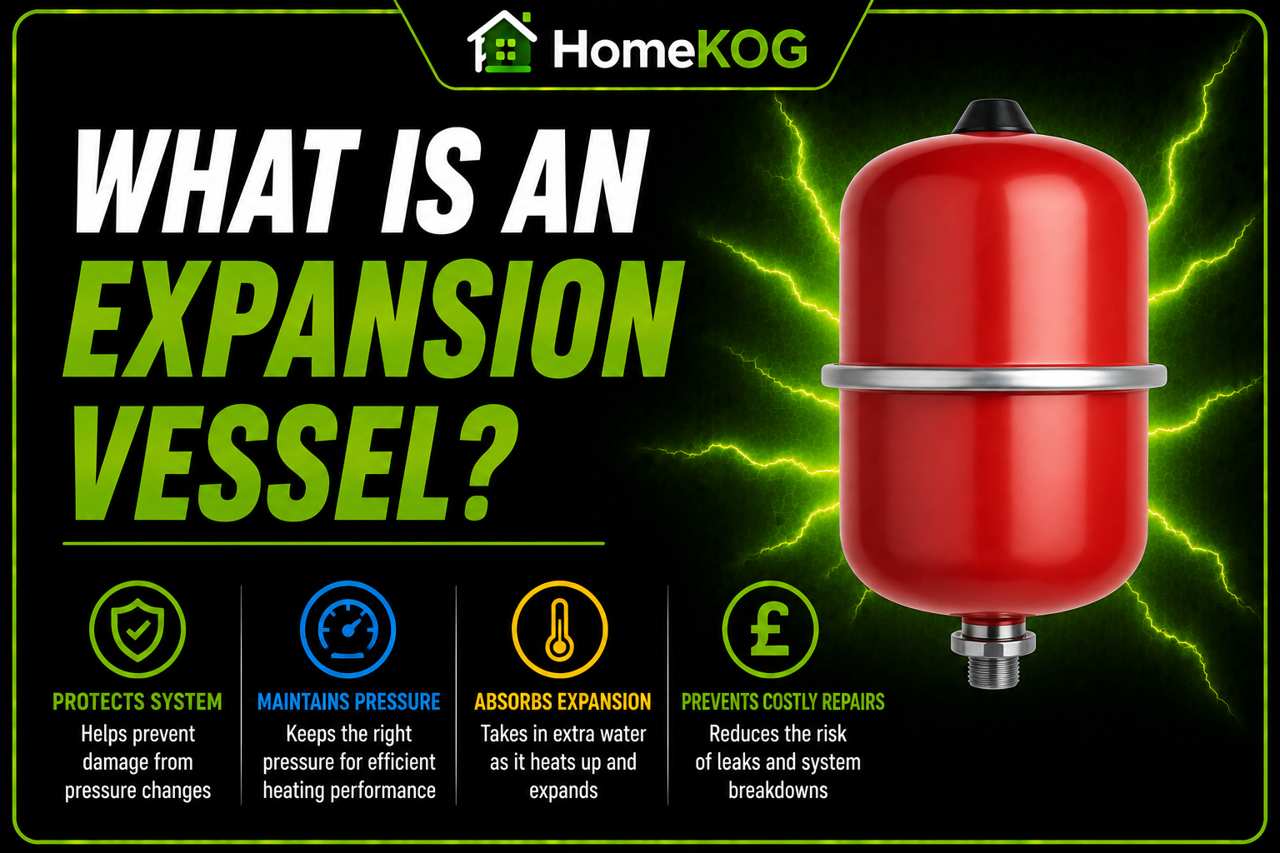
An expansion vessel is a sealed component inside a boiler that absorbs excess pressure as water heats and expands. It uses a diaphragm to balance water and air, preventing pressure build-up, leaks, and system damage while keeping your central heating running safely and efficiently.
Most UK homes rely on boilers daily, but few people understand the parts that keep them safe. The expansion vessel is one of the most important components, quietly controlling pressure as your heating system operates.
Knowing how it works can help you spot issues early and avoid costly repairs.
Expansion Vessel Entity Relationships
- Expansion vessel → regulates → boiler pressure levels
- Heated water → expands → inside heating system
- Diaphragm → separates → water and air chambers
- Nitrogen gas → compresses → under pressure
- Central heating system → relies on → pressure stability
- Boiler → heats → circulating water
- Expansion vessel → absorbs → excess pressure
- Cooling system → returns → water to system
- Pressure imbalance → causes → leaks or faults
- Expansion vessel failure → leads to → pressure loss
- Combi boiler → contains → internal expansion vessel
- Annual servicing → ensures → vessel performance

What Is an Expansion Vessel?
An expansion vessel is a pressure control device found in modern boilers and heating systems. It manages changes in water volume as temperatures rise and fall.
Without it, pressure would increase uncontrollably when water heats up.
H3: Why it’s essential
Water expands when heated, which increases system pressure.
The expansion vessel absorbs this change, preventing damage to pipes, radiators, and the boiler itself. Understanding how the boiler condensate pipe functions explained allows for better maintenance and efficiency in heating systems. For instance, ensuring proper slope and insulation of the condensate pipe can prevent freezing and promote optimal drainage. This knowledge can save homeowners from costly repairs and extend the lifespan of their heating equipment. understanding condensing boiler technology is essential for maximizing energy efficiency. By familiarizing themselves with the various components of a condensing boiler, homeowners can ensure they are getting the most out of their heating systems. Regular maintenance, including checking the heat exchangers and ensuring that the flue gas is being properly vented, can lead to significant improvements in performance and savings on energy bills.
How Does an Expansion Vessel Work?
An expansion vessel is a sealed container connected to the heating system.
Inside, it is divided into two sections by a flexible diaphragm.
H3: Internal structure
One side contains water from the heating system.
The other side contains compressed gas, usually nitrogen.
H4: Step-by-step operation
- The boiler heats water, causing it to expand.
- Expanding water increases pressure in the system.
- The diaphragm moves as water enters the vessel.
- Gas compresses to absorb the pressure increase.
- As the system cools, gas pushes water back into circulation.
This continuous cycle keeps pressure stable at all times.
Expansion Vessel vs Pressure Relief Valve
These two components are often confused but perform different roles.
H3: Key differences
| Component | Function | Operation |
|---|---|---|
| Expansion vessel | Absorbs pressure changes | Works continuously |
| Pressure relief valve | Releases excess pressure | Activates in emergencies |
The expansion vessel prevents pressure spikes, while the valve acts as a backup safety measure.
Where Is the Expansion Vessel Located?
The location depends on your boiler type and system design.
H3: Common locations
In combi boilers, the expansion vessel is usually built inside the unit.
In larger systems, it may be installed externally near the pipework or hot water cylinder.
Checking your boiler manual can help confirm its exact position.
Expansion Vessel Sizing Explained
Correct sizing is important for safe and efficient operation.
Water can expand by up to 9% when heated, so the vessel must handle this increase.
H3: Why size matters
An undersized vessel may not absorb enough pressure.
An oversized vessel may affect system performance.
Modern boilers are pre-fitted with suitable vessels, but replacements must match system requirements.
Signs of Expansion Vessel Problems
A faulty expansion vessel can cause noticeable issues in your heating system.
Recognising the symptoms early can prevent more serious damage.
H3: Common warning signs
| Symptom | Possible Cause |
|---|---|
| Frequent pressure drops | Damaged diaphragm |
| Leaking water | Internal failure |
| Noisy boiler | Air or pressure imbalance |
| Overheating | Pressure not being absorbed |
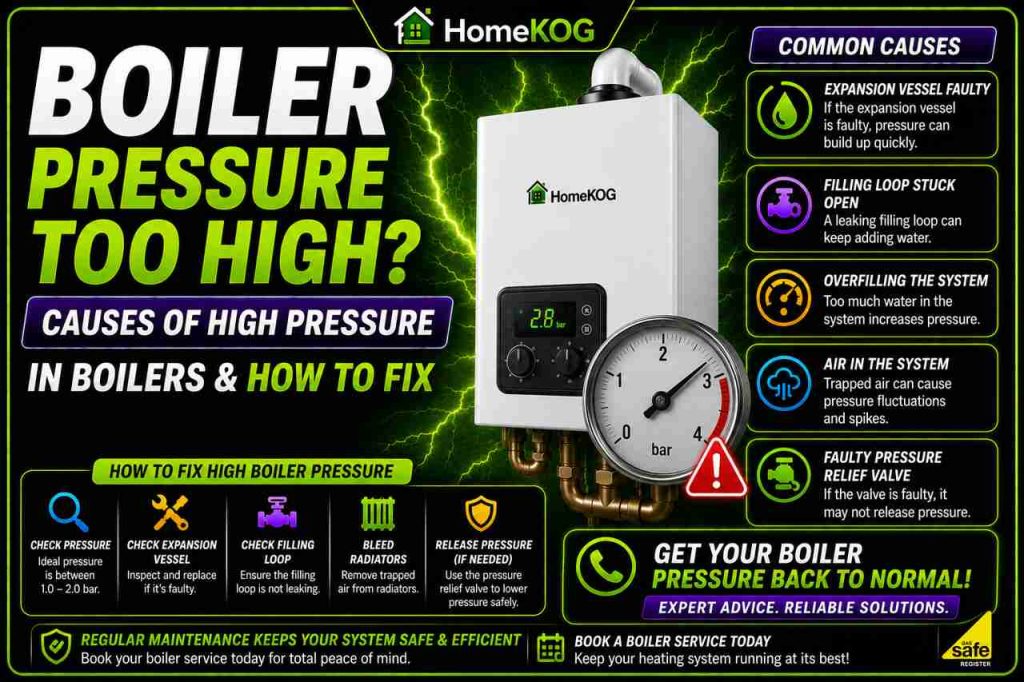
| Pressure spikes | Vessel not functioning |
Any of these signs should be checked by a qualified engineer.
Can You Replace an Expansion Vessel Yourself?
Replacing or repairing an expansion vessel is not a DIY job.
Boilers operate under pressure and must be handled safely.
H3: Safety considerations
UK regulations require boiler work to be carried out by a Gas Safe registered engineer.
Attempting repairs yourself can be dangerous and may void warranties.
Professional installation ensures safe and correct operation.
How Long Does an Expansion Vessel Last?
Expansion vessels are designed to last for several years under normal conditions.
H3: Typical lifespan
Most expansion vessels last between 5 and 10 years.
Their lifespan often matches that of the boiler if properly maintained.
Regular servicing helps extend their durability and performance.
Do Boilers and Their Services Relate to the Function of an Expansion Vessel?
Boilers and their services are crucial for efficient heating systems. An essential component, the expansion vessel, helps manage pressure fluctuations within the system. Regular maintenance, including radiator inspection during boiler servicing, ensures both the boiler and expansion vessel operate smoothly, preventing costly breakdowns and enhancing overall heating performance.
FAQs
What does an expansion vessel do in a boiler?
An expansion vessel controls pressure by absorbing the expansion of heated water. It uses a diaphragm to separate water and gas, allowing pressure to increase safely without damaging the system, then releases it back as the system cools.
How do I know if my expansion vessel is faulty?
Signs include pressure dropping frequently, leaks, unusual noises, or overheating. These symptoms indicate the vessel may not be absorbing pressure correctly, often due to a damaged diaphragm or internal failure.
Is an expansion vessel the same as a pressure relief valve?
No, an expansion vessel manages pressure continuously, while a pressure relief valve only activates when pressure becomes dangerously high. Both work together to keep the system safe.
Where is the expansion vessel located in a combi boiler?
In most combi boilers, the expansion vessel is built inside the unit. In some systems, it may be installed externally near pipework or the hot water cylinder.
Can an expansion vessel be repaired?
In some cases, it can be recharged or adjusted by a professional. However, if the diaphragm is damaged, the vessel usually needs to be replaced to restore proper function.
What causes expansion vessel failure?
Failure is often caused by diaphragm wear, corrosion, or loss of internal air pressure. Over time, these issues prevent the vessel from absorbing pressure effectively.
How often should an expansion vessel be checked?
An expansion vessel should be checked during your annual boiler service. Regular inspections ensure it is functioning correctly and can prevent pressure-related problems.
Is a faulty expansion vessel dangerous?
Yes, it can be. A faulty expansion vessel can lead to pressure build-up, leaks, or overheating. In severe cases, it may damage the boiler or other components, making prompt repair essential.
Conclusion
An expansion vessel plays a crucial role in keeping your boiler safe and efficient.
By managing pressure changes as water heats and cools, it prevents damage and ensures smooth operation.
Understanding how it works and spotting early warning signs can help you avoid costly repairs and keep your heating system running reliably in 2026.