
Hot Water Tank Removal Costs, Timescales & Process Guide 2026
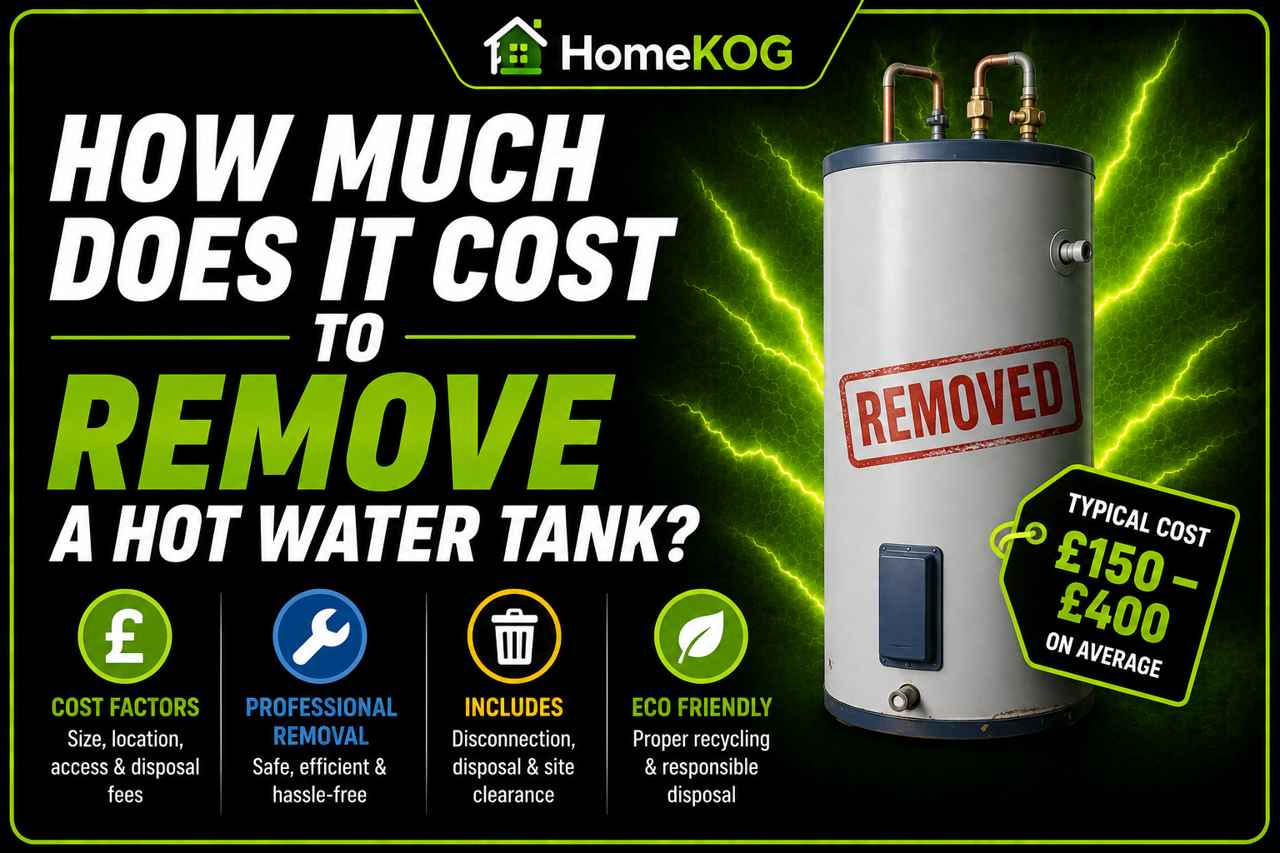
Quick Answer: Removing a hot water tank in the UK costs between £150 and £300 depending on the type of tank, its location, and how accessible it is. A cold water storage tank removal costs around £290, while vented and unvented hot water cylinder removals cost around £200. A full combi boiler conversion including tank removal typically costs around £3,000 in 2026.
Removing a hot water tank is a job most homeowners consider when upgrading to a combi boiler, freeing up space in the loft or airing cupboard, or replacing an ageing or leaking cylinder. The cost varies depending on the type of tank, where it is located, and the amount of associated pipework that needs to be dealt with.
This guide covers every cost involved in removing a hot water tank in 2026, who should carry out the work, and what to expect if you are combining the removal with a full combi boiler conversion.
Key Facts: Hot Water Tank Removal Relationships
- A hot water cylinder is a storage vessel that holds pre-heated water for distribution to taps and showers, and is found in homes with system boilers or conventional boilers rather than combi boilers.
- A cold water storage tank is a separate tank typically located in the loft that supplies cold water to the hot water cylinder and is also removed during a conversion to a combi boiler system.
- A combi boiler conversion is the process of replacing a system or conventional boiler and its associated tanks with a combination boiler that heats water on demand, eliminating the need for a separate cylinder or cold water tank.
- A vented hot water cylinder is an open-vented storage vessel connected to a cold water tank in the loft, and is the most common type found in older UK homes with conventional boilers.
- An unvented hot water cylinder is a sealed pressurised vessel connected directly to the mains water supply, delivering hot water at mains pressure without requiring a cold water tank.
- A Gas Safe registered engineer is the only qualified professional permitted to carry out gas-related aspects of a tank removal and boiler conversion in the UK.
- A qualified plumber is the appropriate professional for removing hot water cylinders and cold water tanks where no gas work is involved in the removal itself.
- Tank accessibility is a key cost factor in hot water tank removal, with tanks located in loft spaces or other confined areas taking longer to remove and therefore costing more in labour.
- Hazardous materials including lead and asbestos found in older water tanks require specialist removal procedures and cannot be disposed of through standard waste channels.
- A copper hot water cylinder is the most common material used in older UK hot water cylinders and carries a scrap value that may offset some of the removal cost when disposed of correctly.
- An open vent boiler or conventional boiler installation typically includes both a hot water cylinder and a cold water storage tank, meaning removal of both is required when converting to a combi boiler.
- Tank disposal costs should be confirmed with the engineer before work begins, as not all quoted removal prices automatically include scrapping or recycling the old tank.

Why Remove a Hot Water Tank?
There are several common reasons UK homeowners choose to remove a hot water tank. The most frequent is upgrading to a combi boiler, which heats water on demand directly from the mains and makes a separate storage cylinder unnecessary. This frees up a significant amount of space — often an entire airing cupboard — and simplifies the heating system by removing components that can develop faults over time.
A leaking or corroded cylinder is another common trigger. Once a cylinder begins to leak, repair is rarely economical and replacement or removal is the more practical solution. Older tanks that were manufactured using hazardous materials such as lead or asbestos must be removed by a specialist and cannot simply be left in place or disposed of through standard waste streams.
Some homeowners in smaller properties choose to remove the cylinder simply to reclaim space, particularly in homes where the airing cupboard is the only practical storage area available.
Who Should Remove a Hot Water Tank?
Hot water cylinder and cold water tank removal is primarily plumbing work and does not inherently require Gas Safe registration unless it forms part of a broader boiler replacement or conversion that involves gas pipework. A qualified plumber has the skills and experience to drain and disconnect a cylinder safely, cap off the associated pipework, and arrange disposal of the old tank.
However, if the removal is taking place as part of a combi boiler conversion — which is the most common scenario — a Gas Safe registered engineer must be involved for the gas side of the work. Many heating engineers are also qualified plumbers and can handle the entire job, making a combined appointment the most straightforward and cost-effective approach.
Attempting to remove a hot water cylinder as a DIY project is not recommended. The tanks are heavy, bulky, and require the heating system to be correctly drained and isolated before removal. Mistakes during this process can cause water damage, damage to pipework, and complications that cost significantly more to rectify than a professional removal would have done in the first place.
Hot Water Tank Removal Costs in 2026
The cost of removing a hot water tank depends primarily on the type of tank and how accessible it is. The table below provides typical prices for the most common removal scenarios.
| Tank Removal Type | Typical Cost (2026) |
|---|---|
| Cold water storage tank | £290 |
| Unvented hot water tank | £200 |
| Vented hot water tank | £200 |
| Copper hot water cylinder | £200 |
| Replacing a hot water tank | £1,000 |
| Boiler replacement with new hot water cylinder | £3,000 |
These figures represent average costs and should be used as a guide rather than a fixed price. The final cost of any removal will be influenced by several factors specific to the property and the installation.
What Affects the Cost of Removing a Water Tank?
Tank location is the single biggest variable affecting removal cost. A cylinder in a ground floor airing cupboard is relatively straightforward to remove and disconnect. A cold water tank in a loft space presents a more challenging job — the tank is often large, heavy, and located in a confined area with limited working room. In some cases, the tank may have been installed before the loft was fully boarded, making it even more difficult to manoeuvre out.
Some homeowners with loft tanks choose to have the tank disconnected and left empty in the loft rather than fully removed, which is a lower-cost option that avoids the practical difficulty of getting it out. An empty plastic cold water tank in a properly capped-off state causes no ongoing problems, though it does take up space that could otherwise be used for storage.
If full removal is preferred, the cost of disposing of or scrapping the old tank should be confirmed with the engineer before work starts. Copper cylinders carry a scrap value that may partially offset the disposal cost. Older tanks containing hazardous materials will require specialist disposal at an additional cost that should be agreed upfront.
The total cost of removing a tank also typically includes clearing and capping off the copper pipework associated with the cylinder. This pipework needs to be properly terminated to leave the system clean and leak-free, and the labour involved adds to the overall time and cost of the job.
Regional labour rates also play a role. Engineers in London and other major cities typically charge higher hourly rates than those working in other parts of the UK, and this will be reflected in the final quote.
Cost of a Full Combi Boiler Conversion Including Tank Removal
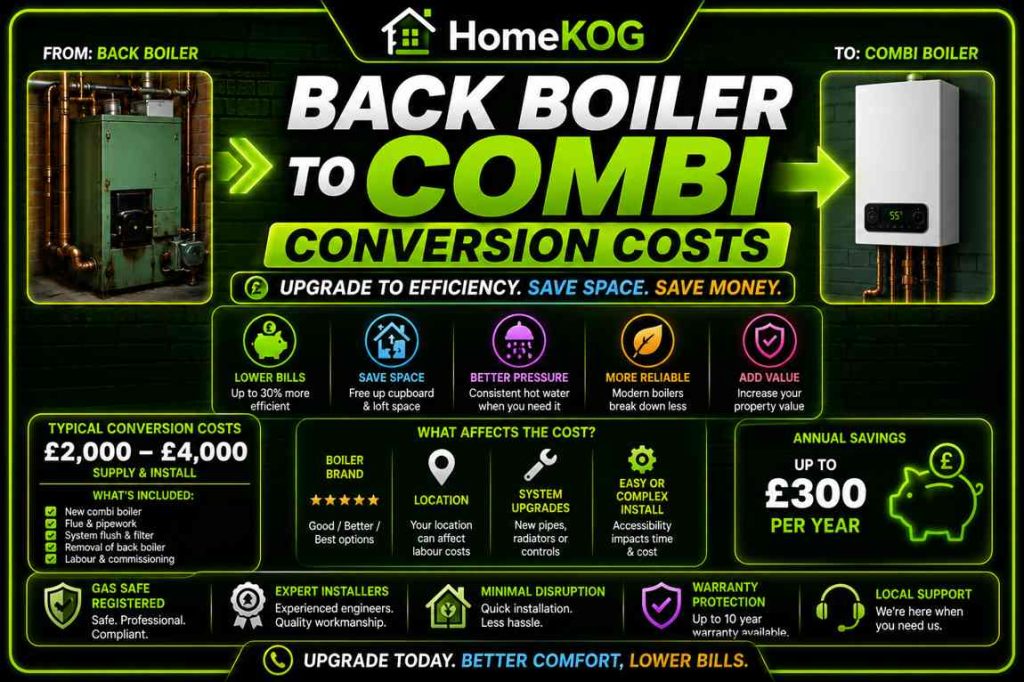
For most homeowners removing a hot water tank, the work forms part of a full conversion from a system or conventional boiler to a combi boiler. The total cost of this conversion — including the new combi boiler, installation, removal of the hot water cylinder, and removal of the cold water storage tank — typically comes to around £3,000 in 2026. In addition to the costs associated with a combi boiler conversion, homeowners should also consider potential heat pump installation costs for 2026. As governments increasingly incentivize renewable energy solutions, opting for a heat pump could lead to long-term savings, despite the initial investment. Comparing these costs to traditional heating solutions will be crucial for making an informed decision.
This figure can vary depending on the boiler model chosen, the complexity of the installation, whether the boiler is being relocated as part of the conversion, and the engineer’s labour rates in your area. If the boiler is being moved to a new position in the property, additional pipework and potentially a new flue run will add to the total cost. Additionally, the cost of materials such as copper piping prices in the UK can significantly impact the overall expenditure. As prices fluctuate with market demand, it’s essential to source high-quality pipes to ensure the longevity of your system. Consulting with your contractor about the best options available can lead to cost-effective solutions.
Getting multiple quotes from Gas Safe registered engineers before committing to the work is always advisable. Prices for the same scope of work can vary meaningfully between installers, and comparing quotes ensures you are paying a fair price for the job.
Is Removing a Hot Water Tank Worth It?
For most homeowners converting to a combi boiler, removing the cylinder and associated tanks is not just worthwhile — it is a necessary part of the process. The freed-up space, simplified system, and elimination of a component that can develop faults or lose heat are all practical benefits that add up over time.
For homeowners who are not converting to a combi boiler but are considering removal purely to free up space, the cost of removal should be weighed against alternatives. Insulating the hot water cylinder more effectively is a significantly cheaper option that reduces standby heat loss and lowers running costs without the disruption of a full removal. Additionally, exploring options like infrared heating panel reviews can provide insights into energy-efficient solutions that maintain comfort levels while minimizing space usage. These panels not only offer a modern aesthetic but also deliver effective heating without the bulk of traditional radiators. Homeowners may find that such innovations align better with their needs and provide long-term savings on heating bills.
If the cylinder is ageing but not yet leaking and the system is otherwise performing well, improving insulation and deferring removal until a full boiler replacement is needed may represent better value in the short term.
Frequently Asked Questions
How much does it cost to remove a hot water tank in 2026?
Removing a hot water tank in the UK typically costs between £150 and £300 for the removal itself, depending on the type of tank and how accessible it is. A cold water storage tank removal costs around £290, while vented and unvented hot water cylinders and copper cylinders all typically cost around £200 to remove. These figures should include the capping off of associated pipework but always confirm whether tank disposal is included in the quote before work begins.
Can I remove a hot water tank myself?
Removing a hot water tank is not recommended as a DIY project. The tanks are heavy, require the heating system to be properly drained and isolated before removal, and the associated pipework must be correctly capped off to prevent leaks. If the removal is part of a combi boiler conversion, a Gas Safe registered engineer must be involved for the gas work. For cylinder-only removals, a qualified plumber should carry out the job to ensure it is completed safely and to a standard that does not cause subsequent problems.
What is the cost of a full combi boiler conversion including tank removal?
A full combi boiler conversion — including the new boiler, installation, and removal of both the hot water cylinder and cold water storage tank — typically costs around £3,000 in 2026. This figure varies depending on the boiler model chosen, whether the boiler is being relocated, and the engineer’s labour rates in your area. Getting at least two or three quotes from Gas Safe registered engineers before committing to the work is always recommended. Homeowners should explore boiler finance options for homeowners to help manage the costs associated with their new heating systems. Many providers offer flexible payment plans that can ease the upfront financial burden and allow for a more manageable approach to home improvement costs. Additionally, some finance options may include incentives or benefits for energy-efficient models, further enhancing the value of your investment.
Does removing a hot water tank free up space?
Yes. A hot water cylinder typically occupies an entire airing cupboard, and the associated cold water storage tank takes up space in the loft. Removing both as part of a combi boiler conversion frees up all of this space for storage or other uses. For homeowners in smaller properties where storage is limited, this is often one of the most practically noticeable benefits of switching to a combi boiler.
What happens to the old hot water tank after removal?
The old tank is typically disposed of or scrapped by the engineer as part of the removal job. Copper cylinders carry a scrap value that may partially offset disposal costs. Confirm with your engineer before work starts whether tank disposal is included in the quoted price or will be charged separately. Older tanks containing hazardous materials such as lead or asbestos require specialist disposal and will carry an additional cost.
Should I remove my loft cold water tank or just disconnect it?
If the tank is in a difficult-to-access loft space, some homeowners choose to have it disconnected and left empty rather than physically removed, as the removal itself can be time-consuming and labour-intensive. An empty plastic cold water tank that has been correctly capped off causes no ongoing problems and does not need to be removed if the space is not needed. If you want to use the loft for storage or additional insulation, full removal is the better option and should be factored into the overall cost of the conversion.
What if my old hot water tank contains asbestos or lead?
Older water tanks — particularly those installed several decades ago — may have been manufactured using materials that are now classified as hazardous, including lead and asbestos. These materials cannot be removed or disposed of through standard waste channels and require a specialist contractor. If you suspect your tank may contain hazardous materials, raise this with your engineer before work starts so that appropriate arrangements can be made. The cost of specialist disposal will add to the overall project price and should be agreed upfront.
Does the location of the tank affect the removal cost?
Yes, significantly. Tanks located in loft spaces or other confined and difficult-to-access areas take longer to disconnect, manoeuvre out of the space, and bring down through the property. This additional labour time increases the cost of removal compared to a cylinder in a ground-floor airing cupboard. Engineers will typically assess the accessibility of the tank before providing a final quote, and it is worth making sure any additional access challenges are discussed at the quoting stage to avoid unexpected costs later.
Conclusion
Removing a hot water tank is a straightforward job for an experienced professional and a worthwhile investment for most homeowners who are switching to a combi boiler or reclaiming valuable space. The cost of removal alone sits between £150 and £300 depending on the type of tank and how accessible it is, with a full combi boiler conversion including tank removal typically costing around £3,000 in 2026.
Getting multiple quotes, confirming that tank disposal is included in the price, and using a Gas Safe registered engineer for any work involving gas are the three most important steps to ensuring the job is completed safely, legally, and at a fair price. If a full conversion feels like too large an outlay right now, improving the insulation on the existing cylinder is a lower-cost alternative worth considering in the short term.