
How to Flush a Central Heating System and Combi Boiler
> Quick Answer: Flushing a central heating system removes built-up sludge, rust particles, and debris from the pipework and radiators that reduce heating efficiency and damage the boiler. A power flush typically costs between £300 and £600 in 2026 depending on system size. It should be carried out by a Gas Safe-registered engineer, particularly before a new boiler installation.
A central heating system that takes longer than it used to to reach the target temperature, has radiators that are cold at the bottom but warm at the top, or triggers frequent boiler lockouts is almost certainly suffering from internal contamination. Sludge and magnetite — the black, iron-rich deposit that forms as internal components corrode — build up gradually over years and, left untreated, cause real damage to pumps, valves, and heat exchangers.
Flushing the system is the solution. Understanding when it’s needed, what the process involves, and what it costs puts you in a far better position to protect your investment in your heating system.
Get a new boiler quote online here >
Overview:
- A power flush is a professional cleaning process in which a high-flow, low-pressure pump forces water and chemical cleaning agents through the central heating system to dislodge and remove sludge and debris.
- Magnetite is the black iron oxide deposit that forms inside central heating pipework and radiators as internal metal components corrode, and it is the primary contaminant removed during a power flush.
- A central heating inhibitor is a chemical treatment added to the system water after flushing to slow corrosion and prevent the rapid return of sludge and scale.
- A magnetic system filter is a device installed on the central heating pipework that captures magnetite and metallic particles before they can circulate through the boiler and cause damage.
- A combi boiler heats water on demand directly from the mains and is particularly vulnerable to sludge contamination because water flows directly through its plate heat exchanger without a buffer cylinder.
- A plate heat exchanger is the component within a combi boiler that transfers heat from the primary circuit to the domestic hot water supply and is among the first components to be damaged by contaminated system water.
- Gas Safe registered engineers are the only professionals legally authorised to carry out gas work in the UK and are the appropriate choice for any power flush carried out in conjunction with boiler work.
- A thermostatic radiator valve (TRV) is a flow-control valve fitted to individual radiators that can seize in a fixed position when contaminated by sludge, which is one of the indicators that a flush is needed.
- A chemical flush is a lower-intensity alternative to a power flush that uses cleaning chemicals circulated by the existing system pump rather than an external machine, and is suited to less severely contaminated systems.
- The Benchmark Commissioning Checklist requires engineers to record the addition of a corrosion inhibitor during new boiler installation, making system cleansing a formal part of the commissioning process.
- A power flush machine operates at high flow and low pressure to mobilise and remove debris without damaging the pipework or radiator connections.
- System pressure in a sealed central heating system must be restored to between 1 and 1.5 bar after flushing before the boiler is returned to service.

Why a Central Heating System Needs Flushing
Every central heating system accumulates contamination over time. As the internal surfaces of steel radiators and pipework gradually corrode, they release iron particles into the system water. These particles combine with other debris to form magnetite — the thick, dark sludge that settles in radiators, clogs pump impellers, and coats the surfaces of heat exchangers.
The consequences are progressive rather than sudden. Heating becomes uneven, with some radiators struggling to reach temperature. The boiler works harder to compensate, which increases gas consumption and accelerates wear on components. Eventually, without intervention, the contamination causes component failure.
Signs Your System Needs a Flush
Cold spots near the bottom of radiators are the most recognisable indicator of sludge accumulation — the debris settles at the lowest point of the radiator and prevents hot water from filling the full panel. A radiator that is hot at the top but cold across the lower section is almost always displaying this pattern.
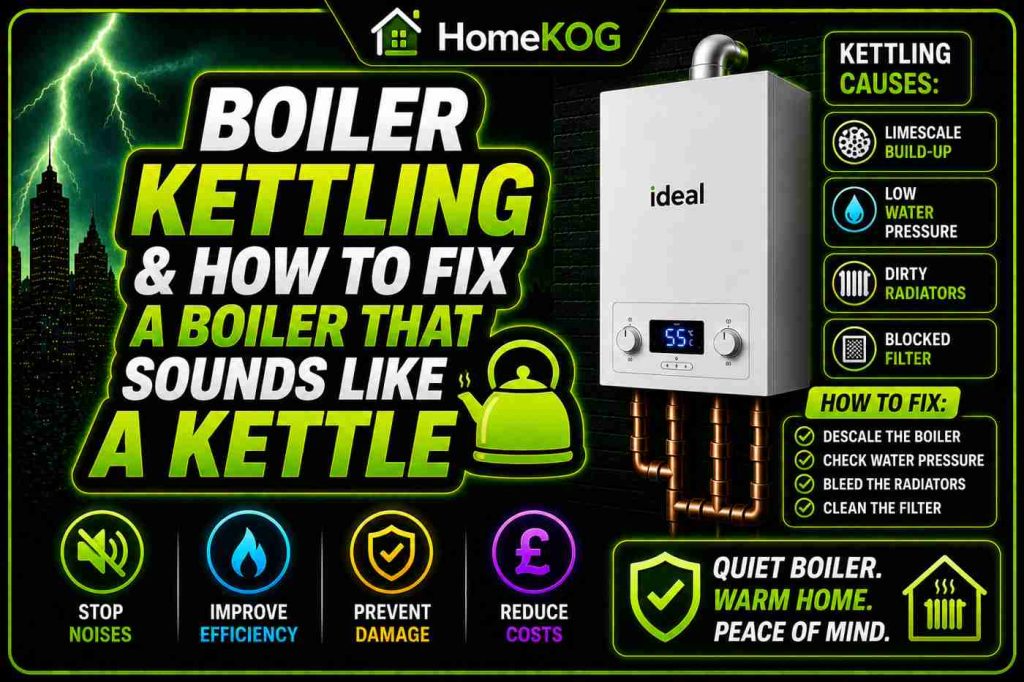
Other indicators include a heating system that takes noticeably longer to warm up than it used to, a boiler that makes banging or kettling noises as it fires, thermostatic radiator valves that have seized and will no longer adjust, and discoloured water when a radiator is bled. If your magnetic filter is collecting an unusually high volume of debris between services, that too is a signal that the system water quality has deteriorated significantly.
Before a New Boiler Installation
A power flush is strongly recommended before any new boiler installation, and many engineers will make it a condition of fitting a premium unit. The reason is straightforward: a new boiler connected to a contaminated system will begin accumulating damage from the moment it starts running. Sludge that has been circulating in the old system for years will pass directly through the new boiler’s heat exchanger and pump.
Most manufacturer warranties explicitly state that damage caused by poor water quality — including sludge contamination — will not be covered under the terms of the guarantee. A power flush before installation, followed by the addition of a corrosion inhibitor, removes that risk and gives the new boiler the clean system water it needs to operate as designed.
Power Flush vs Chemical Flush: Which Do You Need?
Both approaches aim to clean the system, but they work differently and suit different levels of contamination. The table below sets out the main differences.
| Power Flush | Chemical Flush | |
|---|---|---|
| Method | External machine forces water at high flow through the system | Cleaning chemicals circulated by the existing system pump |
| Best suited to | Moderate to heavy sludge contamination | Mild to moderate contamination |
| Time required | 4–8 hours depending on system size | 1–2 hours plus chemical dwell time |
| Typical cost (2026) | £300 – £600 | £100 – £200 |
| Effectiveness on heavy sludge | High | Moderate |
| Risk to older pipework | Low if carried out correctly | Very low |
| Inhibitor added after? | Yes — essential | Yes — essential |
For a system with significant cold spots, a history of poor maintenance, or one that is being prepared for a new boiler, a power flush is the appropriate choice. A chemical flush suits a reasonably well-maintained system that needs a routine clean rather than a full intervention.
How Much Does a Power Flush Cost in 2026?
Professional power flush costs in 2026 typically fall between £300 and £600 for a residential property. The final figure depends on the number of radiators in the system, the severity of the contamination, and the region of the UK where the work is being carried out.
The table below gives a general indication of what to expect based on system size.
| Number of Radiators | Estimated Power Flush Cost |
|---|---|
| Up to 6 radiators | £300 – £380 |
| 7 to 10 radiators | £380 – £450 |
| 11 to 15 radiators | £450 – £520 |
| 16 or more radiators | £520 – £600+ |
These figures cover the power flush itself, including chemical cleaning agents and the addition of a corrosion inhibitor on completion. They do not include the cost of any radiator or valve replacements that may be identified as necessary during the process.
If a power flush is being carried out as part of a new boiler installation, some engineers will include it within the overall installation quote rather than pricing it separately — it is always worth asking for this to be itemised so you can compare quotes accurately.
The Power Flush Process: What Actually Happens
A power flush is not simply a case of connecting a machine and running water through the system. It follows a structured process, and each stage has a specific purpose.
The engineer begins by connecting the power flush machine to the central heating system, typically via the pump head or through a radiator valve tail. The boiler is isolated from the mains and the system is assessed before any flushing begins.
Preparation
The boiler is switched off and isolated. All radiator valves are fully opened to allow maximum flow through every part of the system. On an open-vented system, the cold feed and expansion pipes are capped to prevent cleaning chemicals from entering the header tank. On a sealed system, the pressure is noted before work begins so it can be restored to the correct level afterwards.
An overflow or dumping hose is run to a suitable external drain to carry away the contaminated water as it is expelled from the system. This water will typically be dark brown or black on a heavily contaminated system — a clear visual indicator of the condition the system was in before the flush.
Flushing and Flow Reversal
A cleaning chemical is introduced into the system and the power flush machine is switched on. The machine circulates water at a higher flow rate than the system pump is capable of, dislodging settled sludge and mobilising debris throughout the pipework and radiators.
The direction of flow is reversed at regular intervals — approximately every ten minutes — to ensure that debris cannot resettle and that every section of pipework is reached effectively. Radiators are worked through one at a time: all other radiator valves are closed, concentrating the full flushing force through a single radiator before moving on to the next. This targeted approach is what makes a power flush significantly more effective than simply running chemicals through the whole system simultaneously.
Completion and Inhibitor Addition
Once the expelled water runs clear and clean, the system is refilled with fresh water and a corrosion inhibitor is added. The inhibitor is distributed throughout the system by running the heating briefly, and the engineer checks the concentration to confirm it is within the recommended range.
On a sealed system, pressure is then restored to between 1 and 1.5 bar. The boiler is reconnected and the engineer confirms that heating and hot water are operating correctly across all radiators before the job is signed off.
Adding a Magnetic Filter After Flushing
Fitting a magnetic system filter at the same time as a power flush is widely regarded as best practice in the UK heating industry. The filter installs on the central heating pipework — usually on the return pipe close to the boiler — and captures magnetite and metallic particles before they can reach the heat exchanger or pump.
Once fitted, the filter requires cleaning at each annual service. The process takes only a few minutes and removes the captured debris before it can accumulate to a level that would affect flow. A magnetic filter does not replace the need for periodic flushing, but it significantly extends the intervals between flushes and reduces the rate at which contamination builds.
When to Call a Professional
A power flush requires specialist equipment and a working knowledge of sealed and open-vented heating systems. It is not a task suited to a DIY approach, and in cases where the work is connected to gas appliances — including disconnecting and recommissioning a boiler — a Gas Safe registered engineer is legally required.
Even where the power flush itself doesn’t directly involve gas work, using a qualified heating engineer protects you in other ways. A professional will correctly identify whether a full power flush is necessary, assess the condition of the system before and after, add the inhibitor at the right concentration, and advise on whether any components — such as a stuck TRV or a failing pump — need replacement at the same time.
You can find and verify Gas Safe registered engineers in your area at gassaferegister.co.uk.
Can a New Boiler Installation Affect How I Flush My Combi Boiler’s Central Heating System?
When considering a new boiler installation, it’s essential to understand its impact on your heating system. Proper flushing of your combi boiler’s central heating system might become more efficient with an upgraded unit, potentially optimizing performance and reducing future maintenance costs. Always account for york new boiler installation costs when planning. combi boiler operation explained is critical for maximizing efficiency and comfort. Understanding how these systems function can help homeowners make informed decisions, ensuring they choose the right model for their needs. Additionally, regular maintenance and awareness of operational nuances can prolong the lifespan of your system. system boiler workings and benefits play a crucial role in enhancing energy efficiency and providing consistent heating. By familiarizing themselves with these aspects, homeowners can better assess how a system boiler might fit into their specific requirements. This knowledge not only aids in the selection process but also empowers them to take advantage of the long-term savings and comfort offered by modern heating technologies.
FAQ
How do I know if my central heating system needs flushing?
The most common signs are cold spots at the bottom of radiators, a heating system that takes longer than usual to reach temperature, a boiler that makes banging or kettling noises, and thermostatic radiator valves that no longer respond. Discoloured water when bleeding a radiator — dark brown or black — is a strong indicator of sludge contamination. A dirty magnetic filter between annual services also suggests the system water quality has deteriorated and a flush should be considered.
How much does a power flush cost in 2026?
A professional power flush costs between £300 and £600 in 2026 for a typical residential property. The price varies with the number of radiators, the severity of contamination, and regional labour rates. A system with up to six radiators typically falls at the lower end of that range, while a larger home with fifteen or more radiators will sit toward the top. Some engineers bundle the cost into a new boiler installation quote, so always ask for it to be itemised.
What is the difference between a power flush and a chemical flush?
A power flush uses an external machine to force water at high flow through the system, dislodging and expelling sludge and debris. It is the more thorough option and suits moderate to heavy contamination. A chemical flush introduces cleaning agents that are circulated by the system’s own pump at normal pressure, making it better suited to mild contamination or as a maintenance measure on a well-serviced system. Both should be followed by the addition of a corrosion inhibitor.
Do I need a power flush before a new boiler is installed?
It is strongly recommended, and many engineers will require it as a condition of installation. A new boiler fitted to a contaminated system will circulate sludge through its heat exchanger and pump from day one, accelerating wear and potentially voiding the manufacturer’s warranty. Most boiler warranties explicitly exclude damage caused by poor water quality. A power flush before installation, followed by a corrosion inhibitor, removes this risk and protects the new boiler from the outset.
How long does a power flush take?
A power flush on a typical residential central heating system takes between four and eight hours. The duration depends on the number of radiators, the severity of the contamination, and how many flow reversals are needed before the expelled water runs clear. Very heavily contaminated systems — particularly those that have never been flushed or serviced — can take longer. The engineer will give you a realistic estimate after assessing the system before work begins.
Can I power flush my central heating system myself?
Power flushing is not recommended as a DIY task. The equipment is specialist and requires training to use correctly, and the process involves manipulating isolating valves, working with cleaning chemicals, and — in many cases — disconnecting and reconnecting components associated with the boiler. If the work involves any gas appliances, a Gas Safe registered engineer is legally required. Hiring a qualified heating engineer also ensures the inhibitor is added at the correct concentration and the system is correctly recommissioned after flushing.
What is a central heating inhibitor and why is it added after flushing?
A central heating inhibitor is a chemical treatment added to the system water after flushing to slow the rate at which internal metal surfaces corrode. Without it, the freshly cleaned system will begin accumulating new sludge relatively quickly as unprotected surfaces oxidise. The inhibitor creates a protective barrier that significantly slows this process, extending the intervals between flushes and protecting the boiler’s heat exchanger and pump from contamination damage. Most manufacturers require an inhibitor to be present to maintain warranty cover.
How often should a central heating system be flushed?
There is no fixed universal interval, but most heating engineers recommend a full power flush every five to six years for a well-maintained system with a magnetic filter fitted. Systems without a magnetic filter, those with a history of poor maintenance, or those in older properties with original pipework may need attention more frequently. Annual servicing helps track the condition of the system water — if the engineer finds high levels of debris in the magnetic filter, it is a signal that the flush interval should be brought forward.
Conclusion
A clean central heating system runs more efficiently, heats more evenly, and places far less stress on the boiler and its components than one that has been left to accumulate years of sludge and debris. The cost of a professional power flush — typically £300 to £600 — is considerably less than the cost of a pump replacement, a heat exchanger repair, or a premature boiler replacement caused by contamination damage.
If your radiators are showing cold spots, your heating is slow to respond, or you are planning a new boiler installation, arranging a power flush is one of the most straightforward and cost-effective steps you can take to protect your heating system.
A Gas Safe registered engineer will assess whether a power flush or chemical flush is the right approach for your specific system and ensure the work is carried out correctly from start to finish.