
Landlord Boiler Cover and Boiler Breakdown Insurance Plans
Quick Answer:
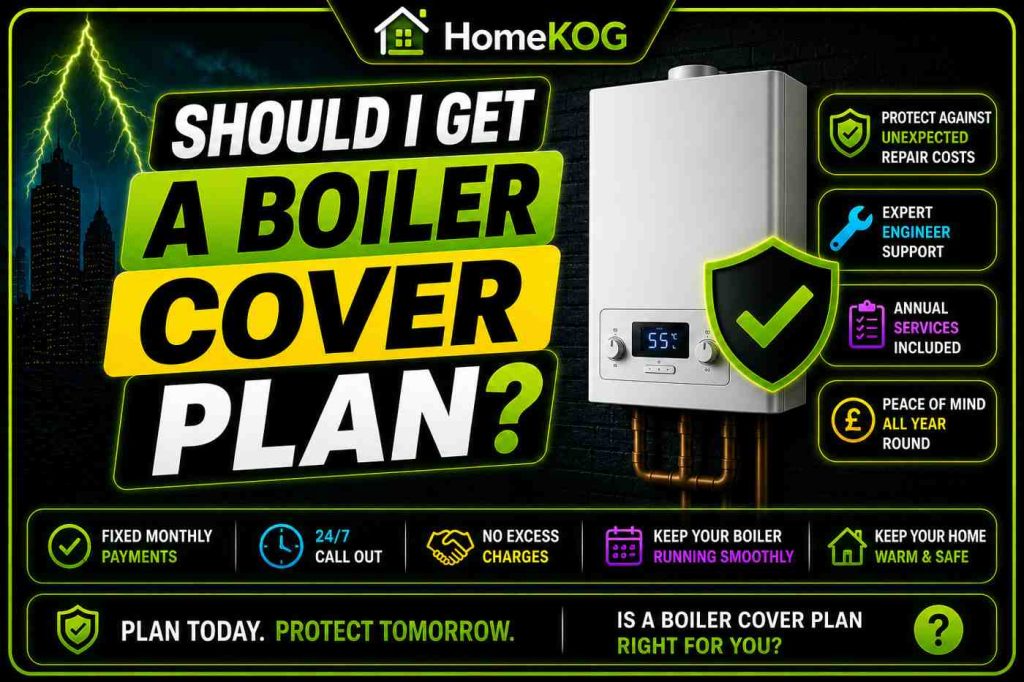
Landlord boiler cover is an insurance or service plan that helps pay for boiler repairs, engineer call-outs, and in some cases annual servicing and central heating issues. It is not a legal requirement in the UK, but it can protect landlords from unexpected costs and help resolve heating and hot water problems faster for tenants.
If you own a rental property, landlord boiler cover can remove a lot of the financial shock that comes with breakdowns. A faulty boiler can leave tenants without heating or hot water, create legal pressure, and generate repair bills at exactly the wrong time.
That is why many landlords take out boiler breakdown insurance alongside their wider landlord insurance. It helps protect the property, the rental income, and the landlord-tenant relationship.
Get a boiler cover plan online here
Landlord Boiler Cover: Key Entity Relationships
- Landlord boiler cover → protects against breakdown costs → supports rental property maintenance
- Boiler breakdown insurance → pays for eligible repairs → reduces unexpected landlord expenses
- Landlord → must maintain heating systems → has legal repair responsibilities
- Tenant → reports heating faults → depends on timely landlord action
- Gas Safe engineer → repairs gas boilers → meets legal safety standards
- Annual boiler service → reduces fault risk → supports boiler efficiency
- Landlord insurance → covers building risks → may exclude boiler breakdowns
- Boiler-only cover → protects the boiler unit → excludes wider heating components
- Central heating cover → includes radiators and pipework → offers broader protection
- Home emergency cover → includes urgent heating failures → often adds plumbing and electrics
- Boiler warranty → covers manufacturer defects → differs from insurance cover
- Older boilers → face higher breakdown risk → may be harder to insure

What Is Landlord Boiler Cover?
Landlord boiler cover is a policy or plan designed to help landlords manage the cost of boiler-related repairs and heating emergencies in rental properties.
It usually covers engineer call-outs and labour, and depending on the provider, it may also cover replacement parts, annual servicing, and wider central heating faults.
How It Differs From Standard Landlord Insurance
Many landlord insurance policies focus on the building itself. They may include cover for fire, flooding, escape of water, or loss of rent.
However, boiler problems are often excluded unless you add specialist boiler breakdown cover or home emergency cover. That is why landlords should never assume their standard building policy already covers the boiler.
Why Landlords Take Out Boiler Cover
A broken boiler can be expensive, disruptive, and stressful. In winter, it can also become urgent very quickly.
For landlords, the issue is not only the repair cost. It is also the need to respond quickly, keep tenants informed, and avoid the situation escalating into complaints or legal pressure.
The Financial Benefit
Boiler repairs can quickly become costly. If major parts fail, the total bill can rise fast, especially when emergency call-outs or repeated visits are involved.
A landlord boiler cover plan helps spread that risk. Instead of paying the full cost at the point of failure, the landlord pays a monthly or annual premium.
The Practical Benefit
Good policies usually include access to qualified engineers, often with fast response times. That means tenants are less likely to go without heating and hot water for long periods.
This matters because heating failures are one of the most common causes of urgent repair disputes in rented homes.
What Does Landlord Boiler Cover Usually Include?
The exact cover depends on the provider and the level of protection chosen, but most landlord boiler cover policies include some core features.
Typical Inclusions
| Feature | Commonly Included? | Notes |
|---|---|---|
| Boiler repair call-outs | Yes | Usually the core part of the plan |
| Labour costs | Yes | Often included up to a policy limit |
| Replacement parts | Often | Depends on the policy wording |
| Annual boiler service | Sometimes | Included on higher-tier plans |
| Central heating controls | Sometimes | More common with broader cover |
| Radiators and pipework | Sometimes | Usually not included in boiler-only plans |
| Emergency response | Often | Response times vary by provider |
Before choosing a plan, always check the limits, exclusions, and waiting periods.
Types of Landlord Boiler Cover Plans
Landlord boiler cover is usually sold in three broad levels. The right one depends on your property, your budget, and how much risk you want to retain yourself.
Boiler-Only Cover
Boiler-only cover is the most basic option. It usually protects the boiler and basic controls, but not the full heating system.
This is often the cheapest plan, but it may leave you paying separately if the issue turns out to be with radiators, valves, or pipework.
Boiler and Central Heating Cover
This option covers the boiler plus more of the wider heating system. It usually includes components such as radiators, heating pipes, and sometimes pumps or valves.
This is a stronger option for landlords who want broader protection against common heating faults.
Home Emergency Cover
Home emergency cover is the most comprehensive category. It may include boiler breakdowns, central heating, plumbing, drainage, electrics, and sometimes security emergencies.
It is usually the most expensive level, but it offers wider peace of mind for landlords managing multiple risks in one property.
What Does Landlord Boiler Cover Usually Exclude?
Cover is never unlimited, so landlords need to understand what is not included as well as what is.
Common Exclusions
| Common Exclusion | What It Means |
|---|---|
| Pre-existing faults | Problems known before the policy started may not be covered |
| Old boilers beyond age limit | Many providers restrict cover for older appliances |
| Cosmetic damage | Appearance issues are usually excluded |
| Lack of servicing | Claims may fail if annual servicing conditions were ignored |
| Deliberate damage or misuse | Damage caused by misuse may not be insured |
| First claim waiting period | Many policies have a no-claim period at the start |
These exclusions are one reason policy wording matters so much.
How Much Does Landlord Boiler Cover Cost in 2026?
There is no single fixed price because the premium depends on the boiler, the property, the level of cover, and the provider’s own terms.
Typical Price Ranges
| Cover Type | Typical 2026 Cost |
|---|---|
| Boiler-only cover | £10–£18 per month |
| Boiler and central heating cover | £15–£28 per month |
| Home emergency cover | £20–£40+ per month |
These are general guide prices. Premiums may be higher for older boilers, larger properties, or more comprehensive plans.
Is Landlord Boiler Cover a Legal Requirement?
Landlord boiler cover itself is not a legal requirement in the UK. You do not have to buy a specific boiler insurance policy.
However, landlords do have legal duties to maintain heating and hot water systems in safe working order. That means the absence of cover does not remove the responsibility to fix faults.
Legal Duties Still Apply
If the boiler breaks, the landlord still has to deal with it. Cover simply helps with the practical and financial side of meeting that obligation.
That is why many landlords see boiler cover as a risk-management tool rather than a legal necessity.
How Quickly Must a Landlord Fix Boiler Problems?
The law often refers to repairs being completed within a “reasonable time,” but that phrase depends on the seriousness of the problem.
A total loss of heating or hot water is generally treated as urgent, especially in colder weather or where vulnerable tenants are involved.
Emergency Repairs
Where tenants are left without heating or hot water, landlords should act immediately and arrange emergency repair support as quickly as possible.
In practice, many landlords aim for action within 24 hours, especially in winter, because delays can quickly become serious.
Communication Matters
Even if the repair cannot be completed straight away, keeping the tenant updated matters. Letting them know an engineer has been contacted and explaining the next steps can reduce conflict and show that you are acting reasonably.
Boiler Cover vs Boiler Warranty
A boiler warranty and boiler cover are not the same thing, and landlords often confuse them.
Warranty
A manufacturer warranty covers certain faults and defects, usually for a fixed period after installation. It often depends on the boiler being serviced annually.
Boiler Cover
Boiler cover is an insurance or service plan that deals with breakdown costs, call-outs, parts, and related emergencies depending on the policy. When considering the best boiler cover options available, it’s important to assess what each plan offers in terms of coverage and costs. Many policies can also include additional perks like annual servicing, giving you peace of mind throughout the colder months. Thoroughly researching your choices will ensure you select a plan that best fits your needs and budget.
A warranty may still leave gaps. Boiler cover can help with faults or system issues that fall outside the manufacturer’s terms.
Should You Cover an Old Boiler?
Older boilers are more likely to break down and more difficult to insure. Many providers set age limits, often around 7 to 10 years, with some becoming reluctant once a boiler is 15 years old or more.
That means landlords with older appliances should compare the ongoing cost of insurance against the value of simply replacing the boiler with a newer model.
When Replacement May Be Better
If the boiler is unreliable, expensive to run, and outside modern warranty support, replacement can be the better long-term financial decision.
A newer boiler may reduce repair risk, improve energy efficiency, and make it easier to obtain affordable cover.
How to Choose the Right Landlord Boiler Cover Plan
The best plan depends on your property and how much risk you are prepared to absorb yourself.
What to Compare Before Buying
- What exactly is included in the cover
- The claim limit per repair or per year
- Whether parts, labour, and call-outs are all covered
- Whether annual servicing is included
- Waiting periods before the first claim
- Boiler age limits and servicing conditions
- Response times for heating emergencies
Looking at price alone is rarely enough. The cheapest policy can become the most expensive if it excludes the faults you are most likely to face.
Is It Worth Getting a Boiler Cover Plan if My Landlord Already Has Boiler Coverage?
Even if your landlord has coverage, considering personal boiler cover plans for homeowners explained can be wise. These plans provide extra protection and peace of mind, addressing concerns that may not be covered under the landlord’s policy. Assessing your own needs ensures you’re fully protected in case of unexpected breakdowns.
Final Thoughts
Landlord boiler cover is not mandatory, but it can be extremely useful. It gives landlords a way to manage repair costs, speed up responses to breakdowns, and reduce the financial shock of heating emergencies.
The right policy depends on the age of the boiler, the level of protection you want, and how your rental property is managed. For some landlords, boiler-only cover is enough. For others, central heating or home emergency cover offers better value and less stress.
FAQs
Is landlord boiler cover compulsory in the UK?
No, landlord boiler cover is not compulsory in the UK. However, landlords still have a legal duty to maintain heating and hot water systems in safe working order. Boiler cover is therefore optional as a policy, but the responsibility to repair faults remains mandatory. Cover simply helps the landlord manage the cost and response more effectively.
What does landlord boiler cover usually include?
Landlord boiler cover usually includes engineer call-outs, labour for eligible repairs, and often replacement parts up to a policy limit. Some plans also include annual servicing, heating controls, and wider central heating faults. The exact cover depends on the plan type, so landlords should always read the terms carefully before relying on a policy.
Does landlord boiler cover include annual servicing?
Some landlord boiler cover plans include annual servicing, but not all of them do. Boiler-only policies may focus on breakdown repair only, while more comprehensive plans often add a yearly service. This matters because annual servicing helps reduce fault risk and is often required to keep a manufacturer warranty valid.
How much is landlord boiler cover in 2026?
In 2026, landlord boiler cover typically costs around £10 to £18 per month for boiler-only cover, £15 to £28 for boiler and central heating cover, and £20 to £40 or more for home emergency plans. Premiums vary based on the boiler’s age, the property, the level of cover, and the insurer’s conditions.
How quickly should a landlord fix a broken boiler?
A landlord should fix a broken boiler within a reasonable time, but if tenants are left without heating or hot water, the issue is generally urgent. In practice, many landlords aim to arrange emergency action within 24 hours. Fast communication and evidence of prompt action are important in meeting legal and practical expectations.
Can I get landlord boiler cover for an old boiler?
Possibly, but it can be harder and more expensive. Many insurers apply age limits, often around 7 to 10 years, and cover becomes more restricted as boilers get older. If the boiler is 15 years old or more, it may be difficult to find suitable cover. In some cases, replacement offers better value than ongoing insurance.
Is boiler cover the same as a manufacturer warranty?
No. A manufacturer warranty usually covers defects or failures within the warranty period, subject to servicing conditions and exclusions. Boiler cover is a separate plan that may cover breakdown call-outs, labour, parts, and related heating faults. A warranty and boiler cover can work together, but they are not the same product.
Who is responsible for boiler servicing in a rental property?
The landlord is responsible for boiler servicing in a rental property. Landlords must keep gas, heating, and hot water installations in safe working order. Tenants should report faults as soon as they notice them, but the duty to arrange servicing and maintenance sits with the landlord unless damage has been caused directly by tenant misuse.